A packing list should let a distributor or repair shop match every package to the parts it expects. Before dispatch, agree on the complete part references, the scope of supply and the contents of each package. The same record should give the weight and outside dimensions needed to plan receipt at the destination.
Match the full reference and scope of supply
Use the complete public part reference in the enquiry and the agreed packing list, including its suffix. Keep those characters unchanged when checking labels or discussing a replacement. If a reference is incomplete or differs between documents, resolve the difference before confirming the packing arrangement.
Specify whether each line covers an individual part or a component assembly. For an assembly, list the components included in the agreed scope. A description such as “set” can leave the buyer and supplier with different expectations about what will arrive. Record the quantity against the defined scope so that the receiving team can check it.
Agree packing requirements before quotation
Packaging belongs in the quotation discussion. Confirm the following requirements with the supplier:
- The material specification for the parts.
- The inspection scope and any records to accompany the delivery.
- The packing format for the agreed contents.
- The package marks and the references they need to show.
- The destination and the conditions for receipt.
Agree any changes to these requirements before dispatch. Keep the agreed requirements with the parts list so the packing check uses the same scope as the quotation.
Separate part quantities from package counts
A pallet containing several parts has a package count and a separate part quantity; those values answer different questions. The receiver needs both to check what has arrived.
For a mixed package, list the contents on separate lines by public part reference. Each line should carry the agreed description and part quantity, and it should identify the package containing those parts. Use that package identifier on the packing list and the package marks. If one reference is spread across several packages, show the quantity in each. This lets the buyer trace a discrepancy to the relevant package and reference.
Record weight and outside dimensions for each package
Request a record for each package. A shipment total alone does not show whether an individual package can be received under the agreed site conditions.
| Field | What to record |
|---|---|
| Package identifier | The identifier used on the package marks and packing list. |
| Contents | Each complete public part reference and the quantity in this package. |
| Net weight | The weight of the contained parts, with a numeric value and unit. |
| Gross weight | The weight of the parts and packaging, with a numeric value and unit. |
| Outside dimensions | Outside length, width and height, each with a numeric value and unit. |
| Basis of the figures | State whether each weight and dimension is measured or estimated. |
Keep estimates clearly marked through the booking discussion. Agree when the final package figures will be available and which figures the freight booking and receiving plan will use. If figures change after packing, update the agreed list and tell the receiving contact before dispatch.
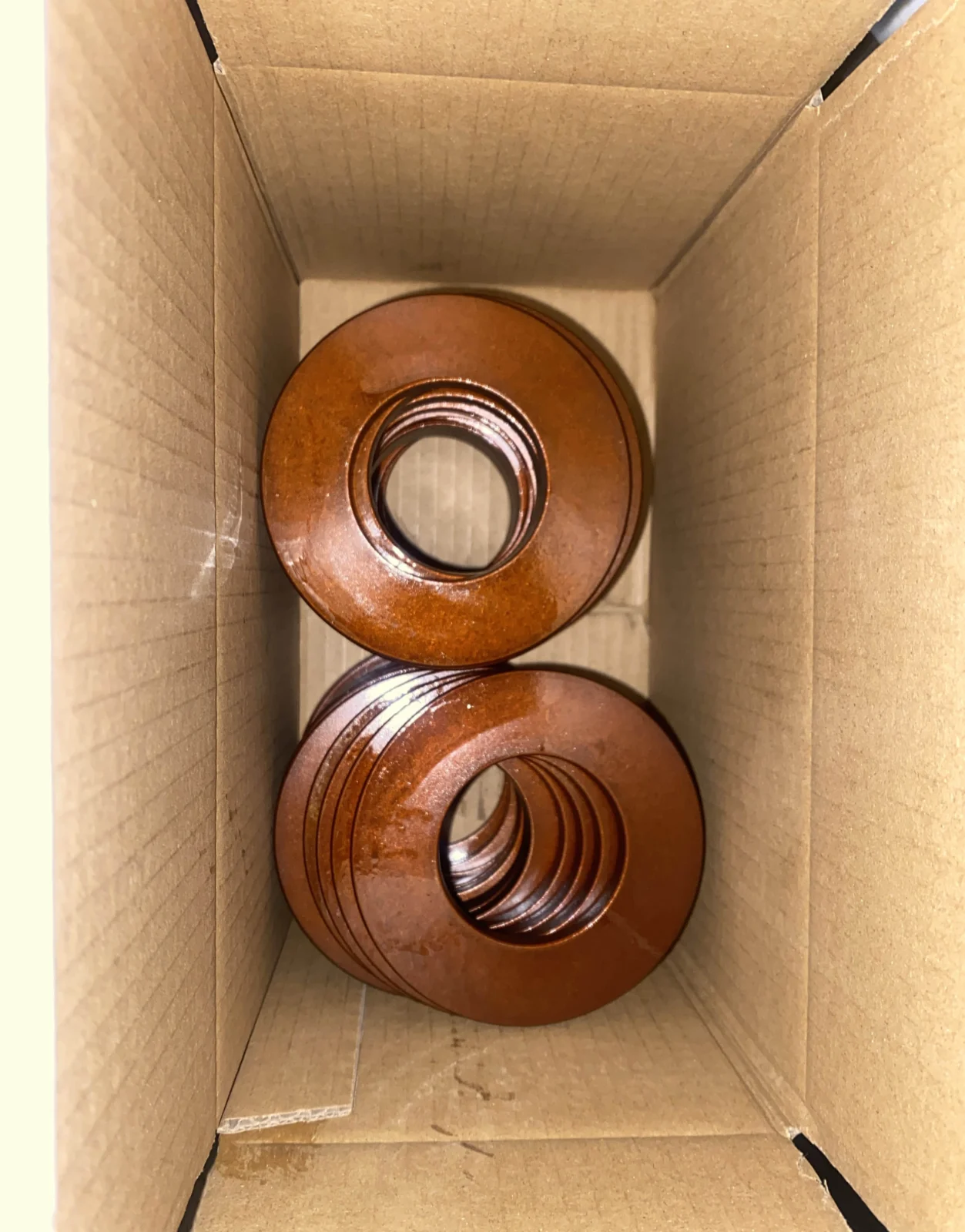
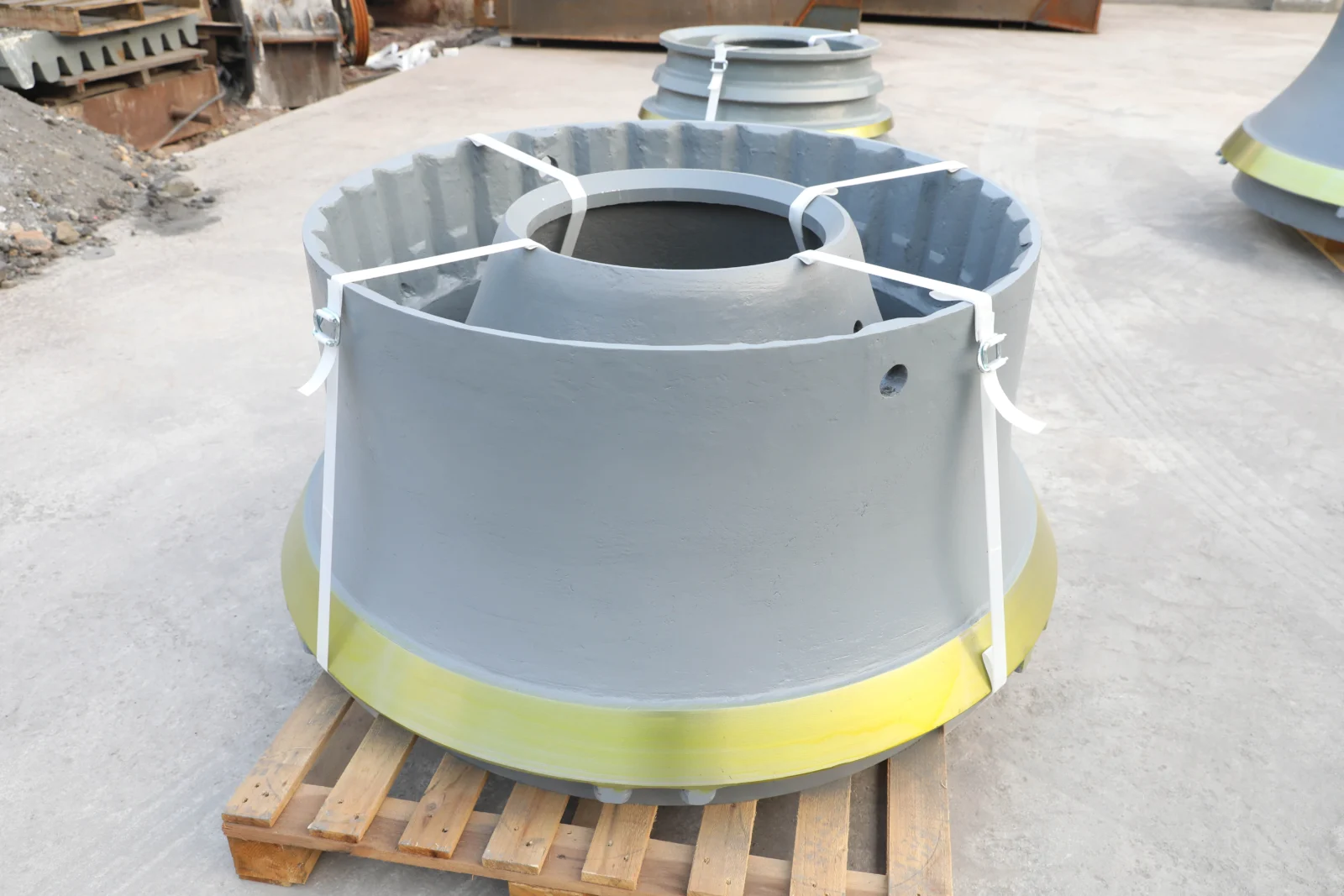
The photographs show historical packing examples. Confirm the package contents, protection and dimensions against the arrangement agreed for your order.
Confirm the receiving conditions together
The buyer and supplier should check the receiving conditions while choosing the package arrangement. Share the available handling equipment, access restrictions and any limits on the size or weight of packages that the site can receive. Confirm these details with the person responsible at the receiving location.
Where a package does not suit those conditions, agree a revised arrangement before dispatch. Record the arrangement both parties have accepted so the packing list and receiving plan refer to the same package sizes and weights.
Dispatch checklist
Review the final packing list and package marks against the agreement:
- Public part references are complete, and their suffixes match the confirmed list.
- Each line states the individual part or the included components of an assembly.
- Part quantities and package counts are recorded separately.
- Mixed packages have a list by reference, with the quantity in each package.
- Each package has net weight, gross weight and outside dimensions as numeric values with units, marked as measured or estimated.
- Package marks and identifiers match the packing list.
- Material, inspection and packing requirements match the quotation agreement.
- The buyer and supplier have confirmed the destination and receiving conditions.
Check receipt against the agreed list
Compare package identifiers and the package count with the agreed packing list. When contents are checked, compare each part reference and quantity with the lines assigned to that package. For assemblies, check the components included in the agreed scope.
Record any discrepancy against its package identifier and complete part reference. Keep the agreed list and relevant photographs together when asking GUBT to review a difference in quantity, contents or marks.
Prepare your quotation enquiry
For cone crusher liners, cone crusher spare parts or jaw crusher liners, send GUBT the complete public references, quantities and the required individual part or assembly scope. Include the material and inspection requirements, proposed packing and marks, destination, and receiving conditions.
Send your parts list to GUBT. You can also review quality documents and acceptance checklist and supply and technical service before agreeing the enquiry scope.