Parts enquiries for dealers and repair teams
Start with the machine model, full part references and quantities. We can discuss the requested supply scope, the records needed for acceptance and the packing details to be agreed for your order. Browse the topics below, then send your parts list.
Drawing and reference review
Send the complete part reference, equipment model and the drawing or photograph you are authorised to share. Mark the drawing revision and identify the installed part where the number is uncertain. This gives the enquiry a defined starting point.
Keep requested changes separate from the existing specification. Where dimensions are needed, include the value, unit and measurement location. Ask us to confirm what additional identification is required before a replacement specification is agreed. Share only the pages needed to identify the part.

Supply scope confirmation
A component name can cover different supply scopes. State whether you need an individual shaft, housing or liner, or an assembly with a defined list of components. Give the reference and quantity for each position.
Ask for included bushings, seals, covers and fixing parts to be itemised where relevant. Material requirements and any differences from a previous specification should be recorded before the order is accepted. Confirm inspection documents, packing and dispatch terms against the final quotation so the repair team can see what it will receive.
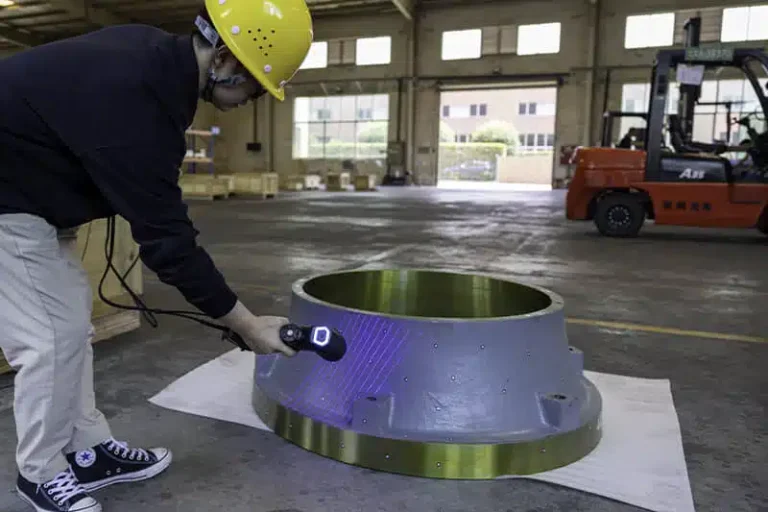
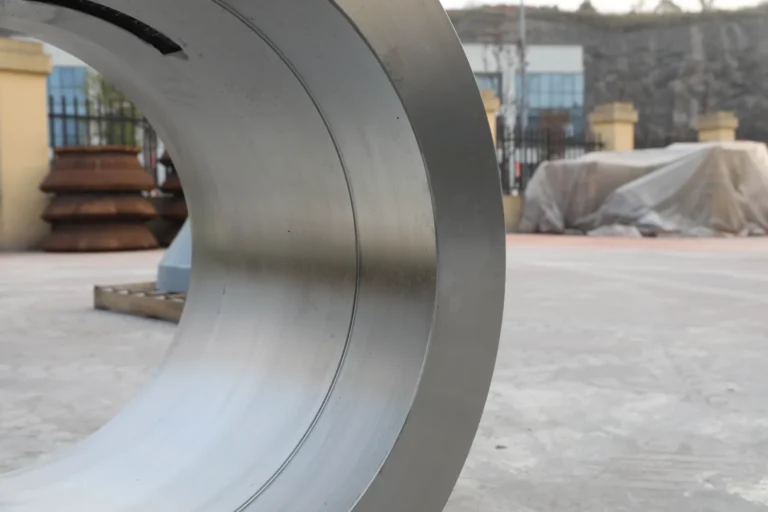
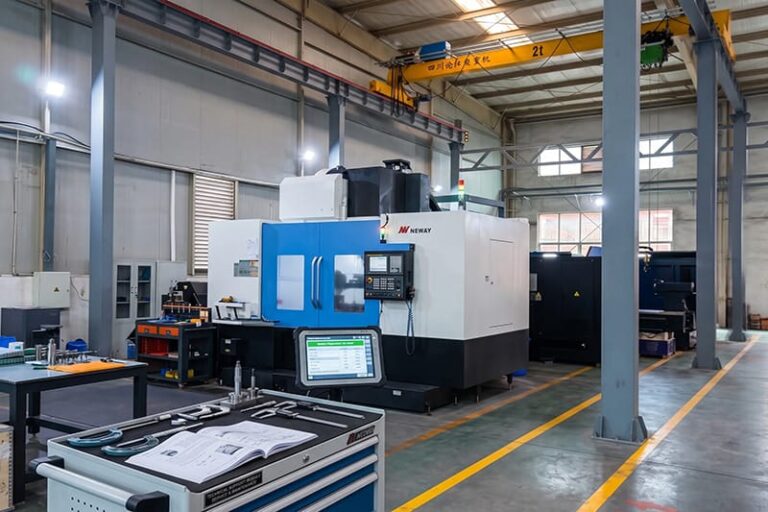
Historical product example showing a machined surface. Confirm the part reference and supply scope for your order.
Agree quality documents
Tell us which material and inspection records are required for the parts you are ordering. Depending on the agreed specification, the discussion may include material analysis, heat-treatment records, hardness results or dimensional checks. Specify the acceptance criteria and the documents required before approving the order.
Agree how the reports will identify the delivered parts and when the documents are to be provided. Any special testing, sampling or witness requirement needs separate confirmation. A sample report explains the document format; it is not a certificate for another order.
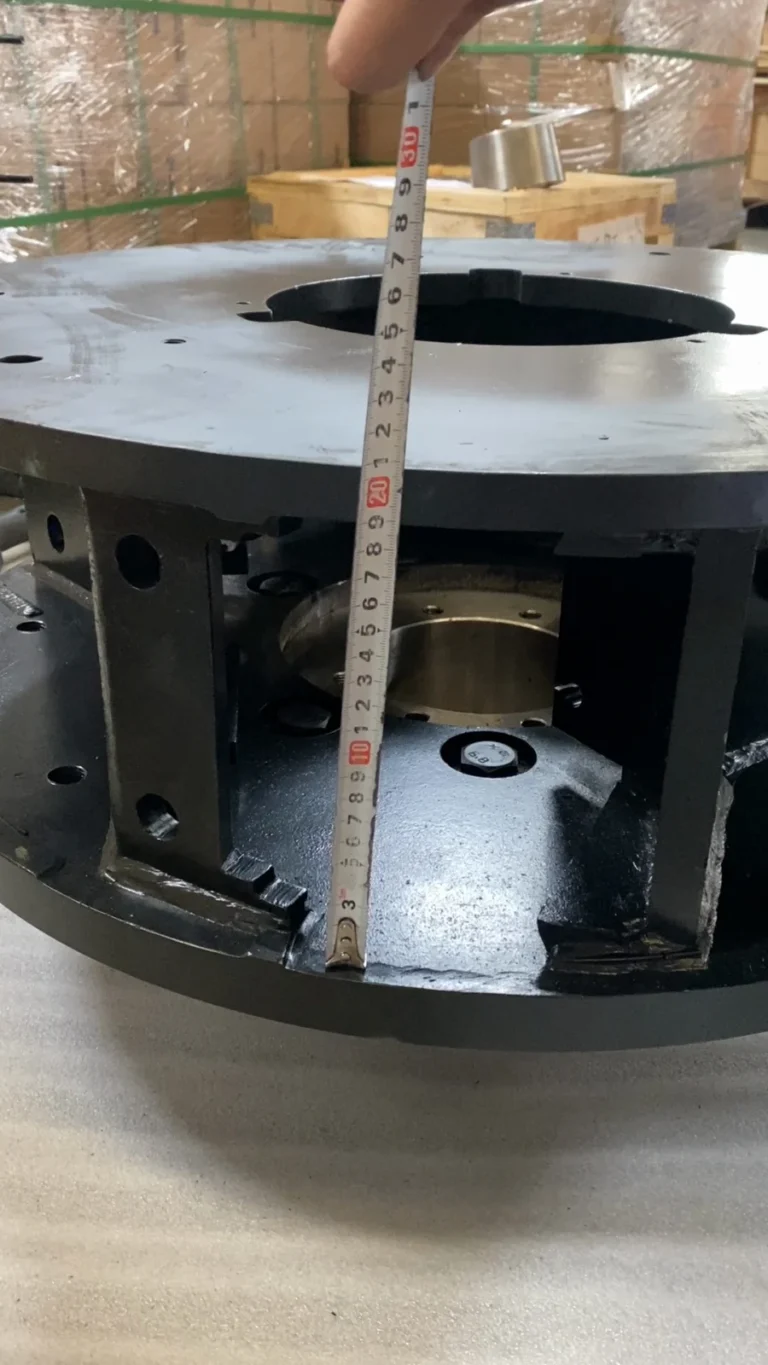
Historical dimensional check example. Agree the measurement points and required records for your order.
Review custom requirements
If a standard listing does not describe the part you need, send the authorised drawing and explain the requested difference. Include the machine model, intended application, quantity and any specified material or inspection requirements. Mark a new request separately from a repeat part.
Feasibility, the offered specification and the supply schedule must be reviewed for the particular enquiry. Keep revisions and proposed alternatives identifiable in the quotation. Do not treat a similar product photograph or an earlier quotation as acceptance of a changed design.
Remote purchasing communication
Use the enquiry form or email to discuss references, model details and the parts needed for a repair. Describe the question you need resolved and include the identification information already available. Photographs of removed parts and readable markings can help explain the request.
For an existing quotation, identify its revision privately and list the lines that need clarification. Our published business hours are Monday to Friday, 08:30-17:30 China time (UTC+8). Any specialist review or additional documentation should be agreed in the reply to your enquiry.
Packing and receiver arrangements
Tell us the delivery country, receiving location and any packing or marking requirements when requesting the quotation. For an order intended for a dealer’s customer, state the proposed receiver and the documents that need to accompany the goods. Share receiver details through the enquiry or direct correspondence.
Packing form, labels, delivery terms and any special shipping instruction need confirmation for that order. Ask for the accepted requirements to appear on the quotation or order confirmation. Do not assume that neutral packing or direct shipment is included without that agreement.
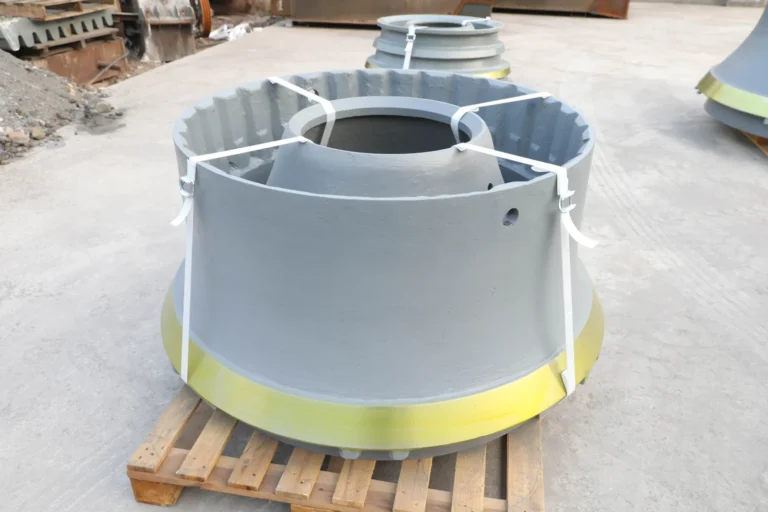
Historical pallet and strapping example. Confirm packing and receiving requirements for your order.
Review repeat orders
For a repeat purchase, send the full part references and quantities alongside the specification you previously accepted. Identify the earlier quotation or order privately so the requested parts can be compared without shortening numbers or losing suffixes.
State any change in machine configuration, material requirement, inspection documents, packing or destination. Keep proposed substitutions on separate lines for confirmation. If you are planning a repair stock list, distinguish the parts required now from possible later demand; any supply schedule must be confirmed against the new quotation.