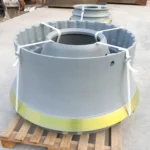
A request for “cheek plates for this crusher” can still leave several parts open to interpretation. Upper and lower plates may be separate items. A jaw plate may be fixed or moving. A familiar part name can also refer to a component rather than the complete assembly the buyer expects.
Before comparing prices, establish which part each enquiry line describes. The useful starting point is the installation position, complete reference number and current supporting document. Photos help explain that record, but cannot resolve every question about fit.
1. Name the position as well as the part
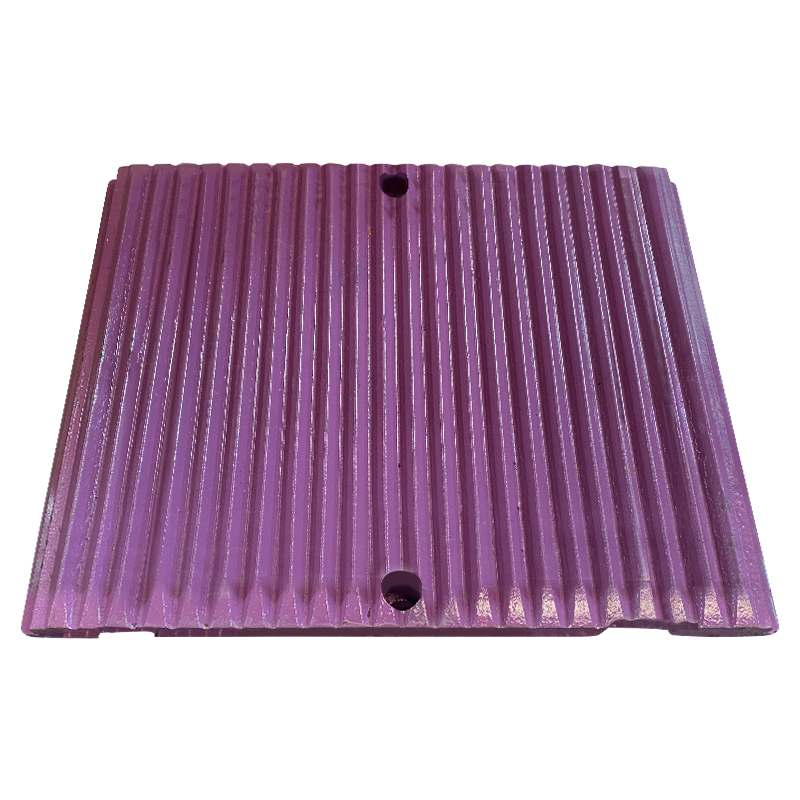
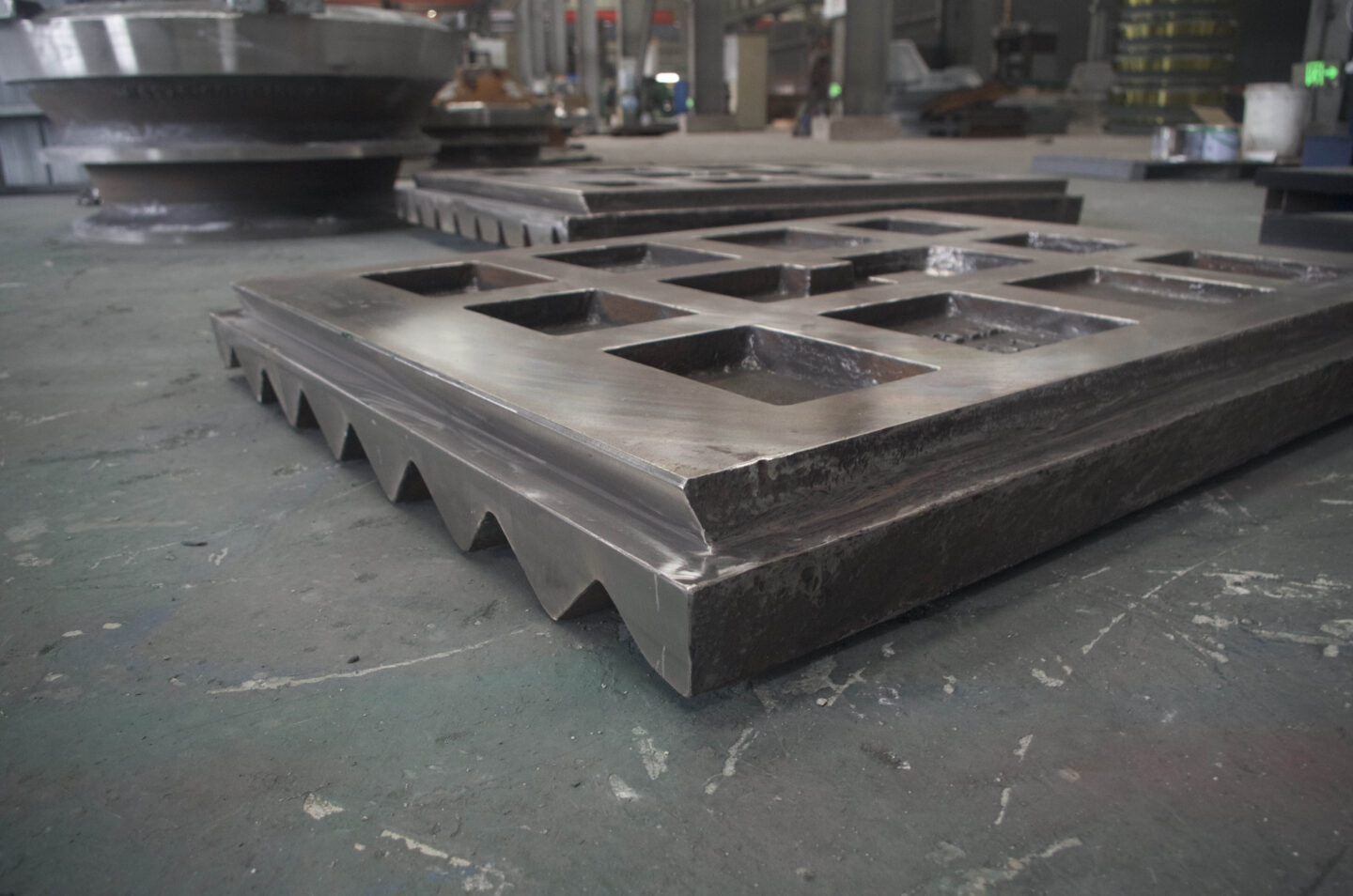
Write the crusher model and the component’s role on the same line. For jaw crusher wear parts, distinguish fixed and moving jaw plates, and upper and lower cheek plates where that arrangement applies. If left or right matters, state the viewing direction used in the supporting drawing or parts list.
Do not assign a side from a photo alone. If the installed position is unknown, say so and ask for it to be checked. Keep different positions on separate enquiry lines, with a quantity for each.
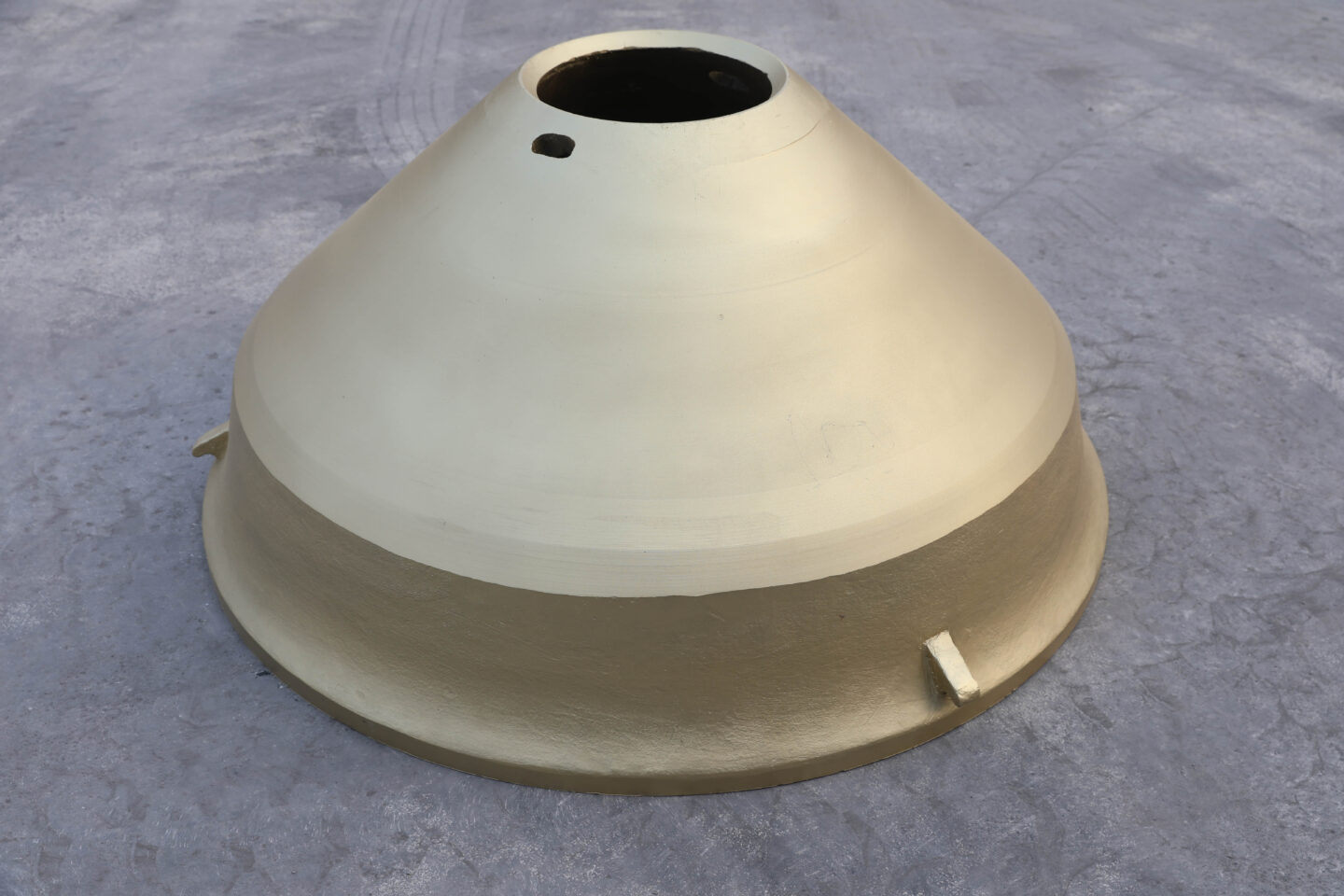
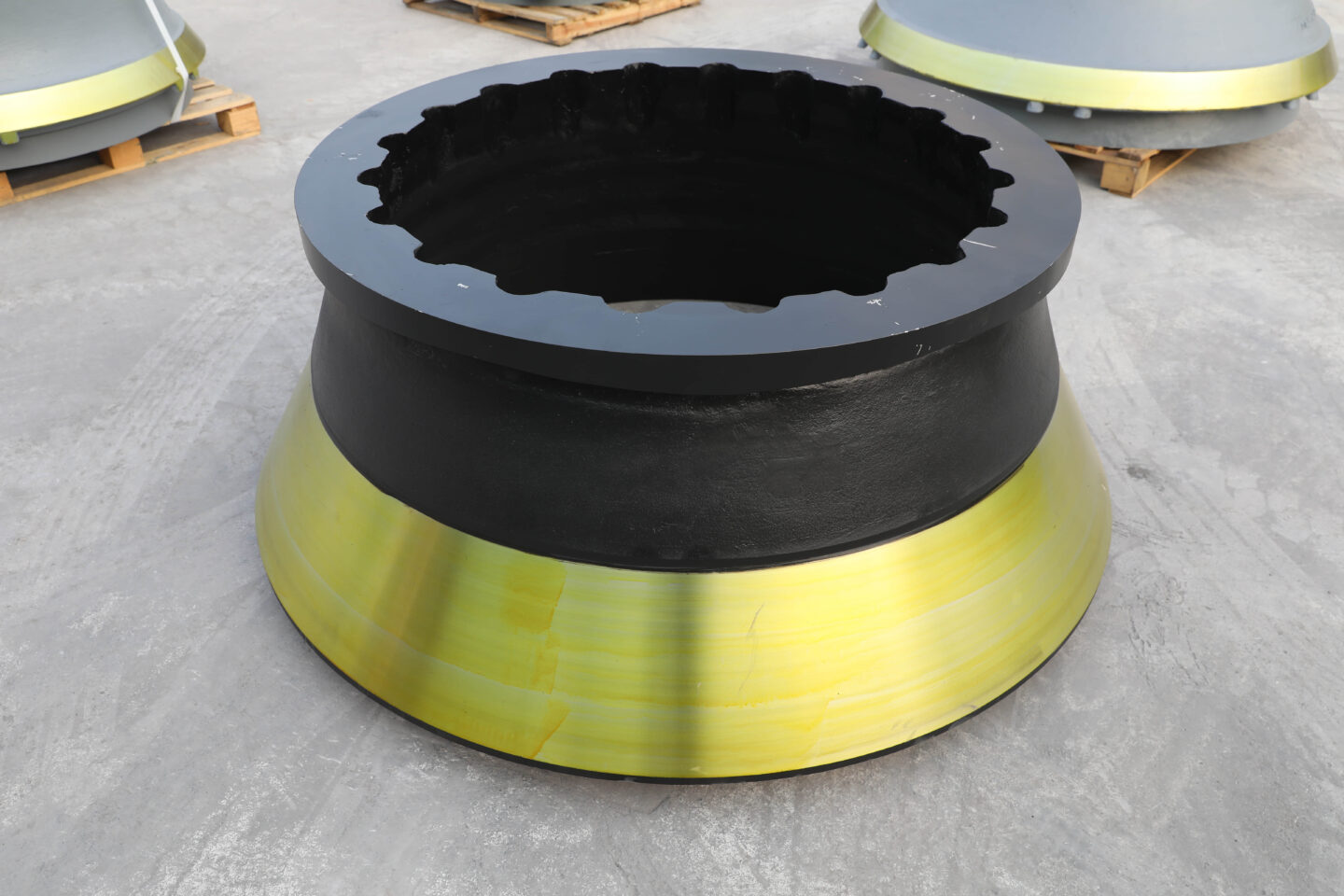
For cone liners, name the mantle and the bowl liner or concave separately. Confirm the terminology and configuration against the machine’s documents. Similar-looking liners, or two parts associated with the same model, do not establish an interchangeable or matched combination.
2. Copy the full reference without shortening it
Preserve leading zeros, suffixes, separators and revision identifiers shown in the source. Keep the reference alongside its part description and position. A number copied from a casting, an old quotation and a parts manual may need reconciliation before it can be used as an ordering reference.
If two documents show different references, list both and identify their sources. Ask the supplier to explain the proposed correspondence. Do not silently replace one number or assume that a common crusher model proves equivalence.
3. Identify the document that controls the enquiry
Include the drawing or parts-list identifier, its revision and date where available. A file labelled “latest” is not enough if the buyer and supplier hold different versions. Mark superseded documents clearly and identify which version is being reviewed.
Changes to holes, interfaces, profiles or the requested supply scope should be called out separately. Where documents disagree, keep the affected item pending clarification. A photograph or a general catalogue illustration cannot replace a missing dimensional check.
4. Use photos to explain the part
A useful photo set shows the whole component, the relevant installed location where safely accessible, and close views of readable markings and connection features. Include another angle when the first view hides an interface. Tell the supplier if the part has been worn, repaired or modified.
Record dimensions and units separately, using agreed measurement points where a dimensional check is needed. Perspective, wear and camera angle can change how a part looks. Colour and surface finish do not establish material grade or inspection results.
The photographs here are examples from GUBT’s existing product photo library. The two cone liners are separate examples, not a verified pair. The images do not identify a specific machine version, material, stock status or inspection outcome.
5. Keep one identification record for each enquiry line
You can copy the following record into an enquiry and leave unavailable details marked “unknown”. Keep each part position separate.
- Crusher manufacturer, model and machine version or serial reference, if available
- Part description and installed position
- Complete part reference and the document or marking it came from
- Drawing or parts-list identifier, revision and date
- Quantity and whether the request is for a single component or a defined assembly
- Photos provided, plus any wear, repairs or modifications to explain
- Differences or missing details that still require confirmation
Ask the supplier to carry the confirmed description, position, reference and document revision into the quotation. Resolve any substitutions before treating two offers as equivalent.
Once part identity is clear, review the supply-scope checklist for assemblies and the quality-document checklist for the records needed on the order. An estimated completion date, a confirmed dispatch date and arrival at your site should also be discussed separately.
Browse the existing jaw crusher liner catalogue and cone crusher liner catalogue, or send your identified parts through the GUBT Parts list enquiry. GUBT is an independent aftermarket parts supplier. Part availability, compatibility and supply scope are confirmed for each enquiry.