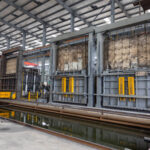
A wear part quoted in the wrong process shows up later as excess machining or a tooling bill that never pays back. Investment casting vs sand casting is not a quality hierarchy; the two form molds and solidify metal differently, and each suits a different mix of size, alloy, section and quantity.
Start With the Part, Not the Process
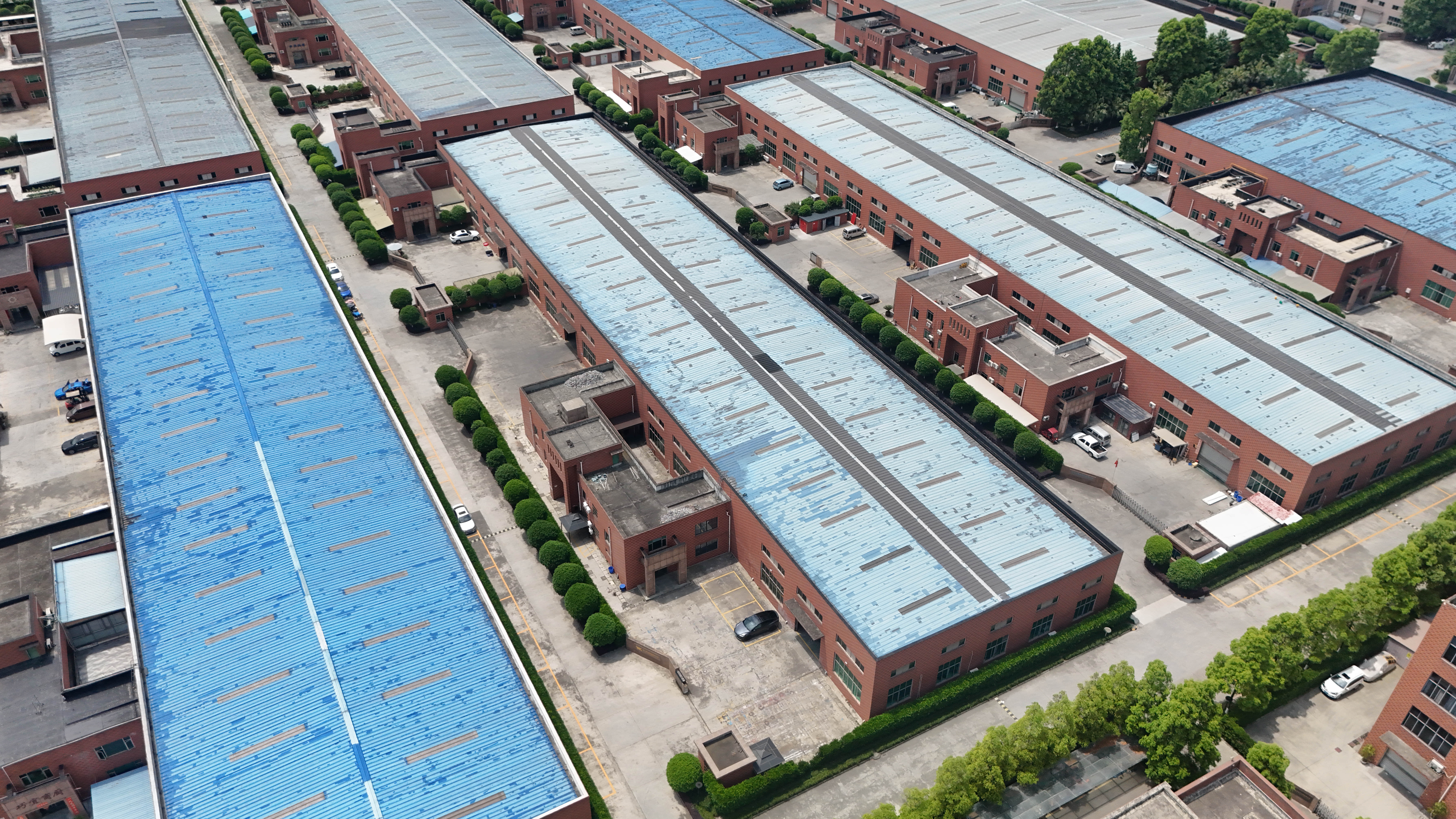
A casting process is a packaging decision for liquid metal: how the mold is made, how the pattern is removed, how fast the part cools and how much finishing it needs. Score the part on five points: finished weight, largest section, critical fit features, alloy and annual quantity. Large, thick and heavy points to sand; small, thin and repetitive points to investment. Most crusher wear parts sit on the sand side.
How Sand and Investment Casting Differ
In sand casting, a pattern is packed in sand, removed, and the cavity is filled with molten metal. Cores form internal passages, and the mold is broken to release the part. Tooling is inexpensive, but the surface is rougher and variation is greater.
In investment casting, wax is injected into a metal die, coated with ceramic, and melted out before metal is poured into the shell. The shell is broken away after solidification. The result is a finer surface and tighter control, with higher tooling cost and size limits.
Ask which mold variant is being quoted, because cost and surface change:
| Route | Variant | What it suits | What to watch |
|---|---|---|---|
| Sand | Green sand | Simple, high-volume plates | Draft, parting line |
| Sand | No-bake | Large liners, better control | Consumable cost |
| Sand | Lost foam | Complex shapes, fewer cores | Pattern per part |
| Investment | Lost wax | Small, thin, intricate parts | Die cost, size limit |
The Decision Criteria That Matter
Dimensional accuracy
Investment typically holds a few tenths of a millimeter on small features; sand commonly works to about 0.5-1.5 mm before machining. Both widen as size grows. On a wear part, the backing face, bolt-hole pattern and locking feature matter more than the wear profile.
Surface finish
Sand usually lands around Ra 6.3-25 micrometers; investment around Ra 1.6-6.3. Roughness is acceptable on a wear face that rock consumes, but not on a machined backing face or a bore that fits a shaft.
Size, weight and wall thickness
Sand covers grams to several tonnes. Investment is economical from grams to around 100 kg, larger by exception. A jaw plate or gyratory mantle sits outside that range; a small VSI wear part may fit inside it.
Tooling cost
Sand needs a pattern and core boxes; investment needs a wax die and a more precise tool. Ask who owns the pattern, where it is stored and what a profile change costs.
Volume and unit price
Low-volume, large parts usually favor sand; high-volume, small parts often favor investment, because tooling is spread over more pieces. The crossover is part-specific, not a fixed quantity.
Material and heat treatment
Sand suits cast steels and irons, including austenitic manganese and high-chromium white iron. Investment handles many alloys, but large abrasive sections are uncommon. Manganese normally needs solution heat treatment; high-chrome iron needs controlled cooling. Quote casting, heat treatment and machining separately.
Lead time and supply risk
Sand tooling is usually faster, but machining can dominate the schedule for large parts. Investment has more steps before the first good part. Neither is automatically faster; capacity and inspection load decide.
At a Glance
| Criterion | Sand casting | Investment casting |
|---|---|---|
| Typical tolerance | Often 0.5-1.5 mm on small dimensions | Often 0.1-0.3 mm on small dimensions |
| Typical surface | Ra 6.3-25 micrometers | Ra 1.6-6.3 micrometers |
| Part size | Grams to several tonnes | Grams to roughly 100 kg, larger by exception |
| Tooling cost | Lower | Higher |
| Crusher examples | Cone and jaw liners, blow bars, large impact plates | Wear inserts, buttons, thin-section parts |
Typical starting points, not guarantees.
Matching the Process to the Part
| Part group | Usual route | Why | Control in the quote |
|---|---|---|---|
| Cone mantle and bowl liner | Sand | Large, thick section | Backing face, profile, heat treatment |
| Fixed and moving jaw plate | Sand | Heavy, deep tooth profile | Tooth profile, jaw seat, hardness |
| Blow bar and impact plate | Sand | High-chrome or martensitic | Fit, weight balance, hardness |
| VSI rotor wear parts and feed tube | Mixed | Small enough, severe wear duty | Section thickness, fit, allowance |
| Wear buttons, inserts and small nozzles | Investment | Intricate detail, thin sections | Alloy, dimensional fit, surface |
Use the table as a starting question, then let the drawing decide. An investment-cast manganese liner would carry costs the application cannot justify.
Cost: Tooling Amortization Changes the Answer
The cheapest casting is not the lowest unit price, but the lowest total cost at the quantity needed. Split every quote into the same lines:
| Quote line | Ask | Why it matters |
|---|---|---|
| Tooling | Cost, ownership, storage | Can dominate a small order |
| Casting | Alloy, weight, yield, scrap | Drives the unit price |
| Heat treatment | Cycle, hardness verification | Changes wear behavior |
| Machining | Surfaces, allowance, datum | Often the hidden cost |
| Inspection | Method, sampling, report | Makes acceptance objective |
| Packing and freight | Export packing, delivery point | Changes landed cost |
A cheaper sand pattern needing more backing-face machining may cost more than a tool arriving closer to shape. An investment die may never pay back on a handful of large liners, so price two or three volumes.
Writing an RFQ That Gets Comparable Quotes
Include the drawing revision and installation position: mantle, bowl liner, fixed or moving jaw, blow bar or VSI rotor location. Add crusher size and chamber configuration, alloy, heat treatment, hardness requirements, critical dimensions, machined surfaces and inspection method.
Before approving a process, confirm:
- Finished weight and largest section
- Machined surfaces and allowance
- Alloy, heat treatment and hardness verification
- Tooling ownership and profile-change cost
- Quantity per shipment and annual forecast
- First-article and inspection documents
State destination, required date and whether patterns, inspection, packing and freight are included. Ask each supplier to list assumptions; “machined to drawing” without naming surfaces is not comparable. See our guides to part identification and drawing revision and the quality documents checklist.
FAQ
Is investment casting always more accurate than sand casting?
No. It usually offers tighter tolerances and a finer surface, but accuracy depends on feature, alloy, tool and inspection. On a cone liner, the backing face matters more than the wear profile, and a well-controlled sand casting can beat a poor investment casting.
Which process is cheaper for 100 jaw plates?
It depends on size, alloy and finishing. Jaw plates are usually sand cast at that quantity because of their weight; a small, intricate wear insert may favor investment. Compare total cost at the same volume.
Can large cone crusher liners be investment cast?
They can be, but it is rarely economical: tooling, handling and size usually make sand the practical choice, except for a small liner or insert where geometry or surface justifies the cost.
How do I compare quotes for crusher wear parts?
Ask for the same breakdown: tooling, casting, heat treatment, machining, inspection, packaging and freight, then compare total cost at the same volume and delivery point.
What should I send with my inquiry?
A dimensioned drawing with revision, installation position, crusher size and chamber configuration, alloy, heat treatment, critical dimensions, annual volume, destination and inspection requirements.
Request a Quote for Your Casting Project
Send your drawing, installation position, alloy, volume and delivery target through our contact page to request a quotation, and our team will review process options. For development-stage parts, start with our guide to custom crusher parts and reverse engineering, and browse custom and other castings. For alloy selection, see our crusher wear parts materials guide.