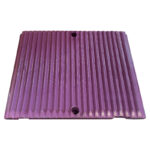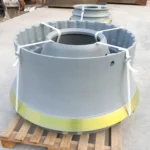
Cone crusher parts prices depend on the exact liner, chamber profile, material, quantity and delivery scope. A mantle-only quotation and an offer that includes a bowl liner or accessories cover different purchases. Before comparing totals, put each component on a separate line and agree what is included.
What to send for a useful price quotation
- The crusher model, chamber designation and complete public reference number, including its suffix.
- A separate quantity for each mantle, bowl liner or accessory.
- The requested material and any inspection documents to be agreed.
- The delivery destination and shipping term, with packing and freight shown in the offer.
If you have several references, send one parts list for quotation. Leave uncertain details marked as unknown so they can be checked.
Fix the cavity before pricing
Selecting the correct mantle and bowl liner requires matching the specific chamber profile to the existing crusher model. The chamber profile dictates how material moves through the machine, which directly impacts the wear pattern. Buyers should provide the exact model number and the specific cavity designation, such as fine, medium, or coarse, when requesting a quote. Relying solely on a reference number is insufficient, as these codes do not confirm physical interchangeability. Always consult the OEM manual to verify that the selected part matches the current feed properties and the intended closed-side setting of the crusher.
For example, MVP550 mantle 06000-300-01 and MVP550 mantle 06000-300-02 are separate references. Keep the final digits when requesting a price and confirm the installed chamber and bowl liner. The shared MVP550 model does not make the two mantles interchangeable.
Separate the included components
Ask for the mantle, bowl liner and each requested accessory to appear on separate quotation lines. Check whether hardware, a feed plate or backing material is included or excluded. A liner price does not establish that a mounting kit or a complete chamber set is supplied. Compare the unit price and quantity for the same confirmed component and scope.
Ask what the material line means
A reference number or a general manganese designation does not serve as proof of metallurgical quality or expected wear life. When evaluating a quote, request technical documentation that specifies the alloy composition and the heat treatment process used for the castings. Ask for material test reports that confirm the chemical analysis of the manganese steel. Since operating history and feed properties significantly influence how a part wears, request data on the hardness and toughness specifications of the alloy. This information allows maintenance teams to assess if the material is suited for the specific crushing application.
Use our crusher parts quality-document checklist to agree the records needed for the order. Document availability and any inspection charges must be confirmed in the quotation.
Compare landed scope
The final cost of an order is heavily influenced by the scope of supply, packaging requirements, and shipping terms. Clarify whether the quote includes the cost of hardware, backing material, or specialized crating necessary for transit. Shipping terms, such as Incoterms, should be explicitly stated to define the transfer of risk and responsibility for freight costs to the destination. Request a breakdown of the shipping weight and dimensions to facilitate site logistics planning. Confirming these details before placing an order prevents unexpected charges and ensures that the delivery schedule aligns with the planned maintenance window.
Send the details behind the price request
For each line, include the machine version, cavity designation, complete public reference if available, requested material and quantity. Ask the supplier to itemize mantle, bowl liner and accessories. State the destination and commercial delivery term, then ask what inspection evidence, packing and delivery commitment are included. There is no useful universal price per liner: geometry, material, supply scope and freight arrangement must be known for the order at hand.