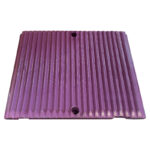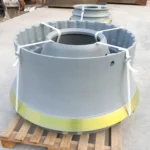
The rotor is the first piece of identification on an HSI parts enquiry. Blow bars, locking pieces and breaker liners can change with rotor or machine version even when the outer machine name stays familiar. A supplier should be able to say which arrangement its quotation covers, and the buyer should be able to compare that answer with the machine on site.
Record the rotor and bar arrangement
The primary challenge in sourcing HSI parts is the variation in rotor versions and locking arrangements. A part reference code serves only as an identifier and does not confirm interchangeability between different machine builds. Buyers should verify the specific bar dimensions and the fastening system used on their equipment. Relying solely on a part number often leads to compatibility issues if the rotor has been modified or if the machine belongs to a different series. Always cross-reference the physical dimensions of the existing blow bars against the technical drawings provided by the manufacturer to confirm the correct fit.
Choose a material for the feed
A quotation for HSI wear parts should clearly distinguish between the material composition and the mechanical design. Blow bar material choices depend on the balance between impact resistance, abrasion levels, and the risk of tramp metal entering the crushing chamber. There is no universally superior material for every application. When requesting a quote, specify the feed description and the frequency of foreign metal exposure. This information allows the supplier to provide options that align with the operational environment rather than offering a generic product that may fail prematurely under specific site conditions or heavy impact loads.
Ask for part-specific evidence
To validate that a supplier understands the requirements, request specific documentation before committing to an order. Ask for detailed dimensional drawings that match the part reference codes provided. If the supplier cannot provide these drawings, request a comparison of the fastening arrangement to ensure it matches the rotor design. Additionally, ask for the chemical composition of the proposed alloys to evaluate their suitability for the feed material. If the supplier does not provide data on how their material handles high-impact versus high-abrasion environments, request technical data sheets that outline the intended use cases for each alloy.
Check the received set
Upon receiving the shipment, inspect the components for dimensional accuracy and surface integrity. Compare the physical dimensions of the blow bars and liners against the original drawings confirmed during the quotation phase. Check that the locking and fastening surfaces are free from casting defects that could interfere with the rotor assembly. If the parts do not align with the specified dimensions or if the fastening holes do not match the rotor configuration, do not attempt to modify the parts. Consult the equipment manual to verify the installation procedures and ensure the components meet the required tolerances for the rotor.
Send a complete HSI enquiry
Provide the model and rotor version, bar reference or measured geometry, locking arrangement, feed description and any foreign-metal exposure. List blow bars, breaker-plate liners and side liners as separate quantities. Ask what material is proposed and what evidence belongs to this order. Installation, lifting, balancing and wear limits are machine-specific tasks for the site team using its equipment manual; a sales article cannot supply those settings.