Two buyers can send the same bowl-liner drawing to one foundry and get different minimum order quantities and lead times. Both can be correct: tooling, melting, molding, heat treatment and inspection move with part size, alloy and plant load. This guide explains what drives casting MOQ and lead time for crusher wear parts.
Why There Is No Universal MOQ
An MOQ is the smallest batch a foundry can run without losing money or disrupting the plant. It reflects setup, melt weight, molding and inspection cost. A large cone crusher liner may have an MOQ of one piece; a small insert may need hundreds because setup only pays at volume.
What Drives MOQ
Tooling and pattern cost
Patterns, core boxes and fixtures are one-time costs, so small orders carry more per piece. Some suppliers set an MOQ to keep tooling amortization in range; others quote tooling separately and allow a low first order. Ask who owns the pattern and what a profile change costs. Our guide to custom crusher parts and reverse engineering covers new-profile development.
Melting batch and material minimum
A furnace runs a heat of a fixed size, so a small order may not fill a heat; the supplier may combine orders or set a minimum weight. Manganese and high-chrome heats are not interchangeable, and special chemistry can leave surplus metal to be priced somewhere. The crusher wear parts materials guide covers alloy selection.
Molding and finishing setups
Manual sand molding handles one or a few large parts. Automated lines carry a higher fixed cost per run, which pushes the batch up. A large jaw plate can be economical at one or two pieces; a machined face adds setup.
Typical MOQ Ranges
| Part type | Typical minimum | Main driver |
|---|---|---|
| Large wear castings, roughly 100 kg and up | 1-5 pieces | Pattern cost; one-piece trials are common |
| Medium castings, roughly 5-100 kg | 10-50 pieces | Melting batch and molding setup |
| Small castings under 5 kg | 50-500 pieces | Finishing and inspection setup |
Cone and jaw liners and large blow bars sit in the first row, medium impact plates and VSI wear parts in the second. These are starting points: ask what changes at the next volume break and whether the MOQ is per order line or per release.
What Drives Lead Time
Drawing review and design for manufacture
The supplier checks draft, wall thickness, cores, machining allowance, contraction and tolerances. A drawing missing a datum, alloy or heat-treatment requirement comes back. Review must confirm installation position, chamber configuration and fit with the mating component. Fix part identification and drawing revision before the RFQ.
Pattern and tooling
Pattern making is often the longest step for a new part. A simple pattern can be ready in a couple of weeks; a complex one with core boxes and a fixture takes longer. Pattern approval is a common delay, and post-cast changes cost more.
Material, heat treatment and machining
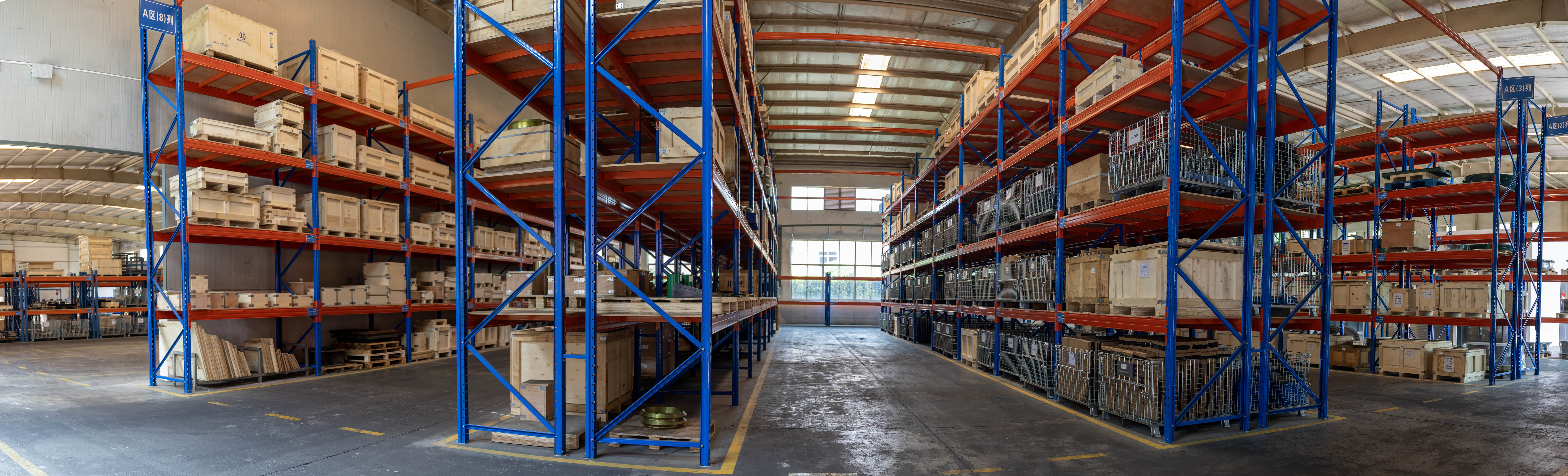
The supplier prepares the alloy, schedules a heat, pours, cleans and cuts test material. Large castings need longer cooling, and a failed first cast adds weeks. Heat treatment adds furnace time; machining follows the sound casting. A busy machine shop can be the constraint even when the foundry is ready.
First article and fit check
The first article is not only a dimensional report. It checks that the backing face, bolt holes and locking features fit the mating component. On an HSI blow bar, the locking notch and rotor fit matter as much as the wear profile. Approve it before production; the cone crusher fit checklist lists the interfaces.
Typical Lead-Time Ranges
| Stage | Typical range | Clock starts when | Common delay |
|---|---|---|---|
| Drawing review and quote | 3-10 business days | A complete drawing is received | Missing alloy or datum |
| Pattern and tooling | 2-6 weeks | Drawing and pattern are approved | Pattern revisions |
| First article casting | 1-3 weeks | Tooling is approved | Defect at inspection |
| Production casting | 3-6 weeks | First article is approved | Furnace or molding backlog |
| Heat treatment and machining | 2-5 weeks | Castings are released | Furnace and machine capacity |
| Packing and dispatch | 3-7 business days | Final inspection is passed | Packing or booking delay |
A first order runs 8-18 weeks from drawing approval to shipment; repeats often run 4-8 weeks. New patterns and large liners sit higher. Special alloys and heavy machining can exceed these ranges; treat the schedule as an estimate until confirmed.
How to Shorten the Schedule
Most first-order delays sit at a buyer-controlled gate: a drawing revision after pattern approval, alloy left open, a late first article, machining not booked, or packing agreed late. Freeze the drawing before tooling, include installation position and chamber configuration, ship a first article early, book machining with the casting order, and agree packing before castings finish.
What to Send With Your RFQ
| Item | What to include | Why it changes the answer |
|---|---|---|
| Drawing | Revision, installation position, fit features | Avoids a second review |
| Alloy and heat treatment | Grade family, hardness target, inspection needs | Sets melt and furnace cycle |
| Quantity | Pieces per release and annual forecast | Shows volume break and heat fill |
| Delivery | Required date at destination | Exposes freight and packing time |
| Inspection and documents | First-article report, material test report | Adds steps that must be scheduled |
Comparing Quotes Like for Like
| What to compare | Why it matters |
|---|---|
| MOQ at two or three volumes | Shows price steps at volume |
| Tooling cost and ownership | Pattern ownership sits outside the unit price |
| Lead-time starting point | Inquiry, approval and deposit are different clocks |
| Inclusions and exclusions | Tooling, machining, packing, freight and duties |
Ask for the MOQ at two or three volumes and the lead time from drawing approval, not inquiry; a lead time that excludes tooling or machining is hard to compare.
Total Cost, Not Unit Price
A low unit price at a high MOQ ties up cash and space. A higher price at a low MOQ can be cheaper for a trial. Compare tooling amortization, carrying cost and freight; for wear parts, cost per hour of service matters more than cost per kilogram.
FAQ
Why is the MOQ higher for small VSI wear parts?
Small parts carry more setup, finishing and inspection cost per piece. A batch spreads those costs, and minimum melt weight may apply.
Can I order just one cone liner?
Often yes, when the pattern dominates cost. Expect a higher unit price and longer setup. Ask whether an existing pattern cuts first-order cost.
Is lead time counted from the order date?
Usually from drawing approval and deposit receipt. Clarify the starting point in the purchase order; late approvals move the schedule.
How long does tooling take for a new liner profile?
A simple pattern can take a couple of weeks; complex patterns with core boxes and fixtures take longer. Ask for a tooling schedule separate from production.
Can I shorten the lead time on a new blow bar?
Sometimes, through extra shifts, air freight or a split shipment, depending on the constraint. Speed will not help if the pattern is unapproved or the alloy unavailable.
Request a Quote for Your Casting Project
Send your drawing, quantity per release, annual forecast and delivery date through our contact page to request a quotation; we will confirm the MOQ, tooling and schedule. For a part in development, see custom and other castings; for wider sourcing, read sourcing crusher parts from China.