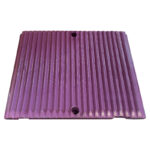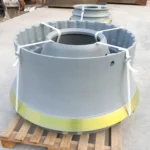
A label saying where a crusher liner was cast does not establish whether it will fit or how it will wear. Buyers comparing Chinese suppliers can make the decision more concrete by checking five things for the actual order: identity, geometry, material, inspection evidence and delivery scope. The point is to make two offers comparable, not to assign a quality score to a country.
Identify the configuration
The primary challenge in sourcing crusher wear parts is the variation between machine versions and specific part positions. A reference code serves as an initial identifier but does not confirm that a part will fit a specific crusher model or application. Buyers should provide the exact machine model, serial number, and the specific location of the component within the crusher assembly. If a public reference code is unavailable, provide measured geometry and detailed technical drawings to define the part. Relying on visual similarity or generic part numbers often results in incorrect components that fail to integrate with existing equipment.
Separate a specification from a price
A technical specification differs from a standard price quotation by detailing the exact material composition and physical requirements of the component. When requesting a quote, specify the required material grade and the necessary mechanical properties for the intended crushing application. A formal quotation should explicitly state these technical parameters rather than providing a generic product description. If a supplier provides a quote without referencing specific material standards or dimensional tolerances, request a revised document that includes these details. This distinction ensures that the supplier understands the technical requirements before the production process begins for the actual order.
Read the scope of quality evidence
Buyers should request documentation that verifies the physical and chemical properties of the parts. While a sample inspection report provides data on a specific unit, it does not guarantee the quality of future production batches. Request material test reports and dimensional inspection records that correspond to the specific batch being manufactured. If a supplier cannot provide documentation for the current production run, ask for their internal quality control procedures and the specific testing methods used to verify dimensions. This evidence allows the buyer to confirm that the parts meet the agreed-upon technical standards before shipment occurs.
Compare what will actually ship
Upon receiving the shipment, compare the delivered components against the original purchase order and the technical specifications provided during the quotation phase. Verify that the dimensions match the drawings and that the material properties align with the documentation received. Inspect the packaging to ensure it protects the parts during transit and check that the freight terms match the agreed-upon delivery commitment. If the delivered parts deviate from the specified dimensions or material requirements, document the discrepancies immediately. Establishing a clear process for receiving and inspecting goods prevents the acceptance of components that do not meet the project requirements.
Five checks for the RFQ
Send the complete part identity and machine version; ask which drawing or measurements the supplier will use. State the required material, quantity and any accompanying components. Request the inspection records available for this batch, then agree packaging, destination and delivery term in writing. If a supplier proposes a different reference, ask which dimensions and configuration were compared. Do not assume a shared photograph means two castings are interchangeable.