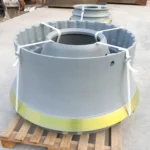
For a US buyer, a crusher-part quotation needs two separate checks: does it describe the right part, and does it say what will be delivered to the named destination? A cheap line item can become an expensive mismatch if the machine revision, included hardware or shipping handoff is missing. Compare the written scope before comparing the total.
Identify the machine and position
Reference codes serve as internal identifiers but do not confirm interchangeability between different equipment generations or manufacturers. When requesting parts, provide the exact machine model, serial number, and the specific component drawing number. Relying solely on a part number often leads to dimensional mismatches if the equipment has undergone modifications or if the manufacturer has updated the design. Request that the supplier cross-reference these codes against the specific serial number of the unit in operation. This verification step prevents the procurement of components that may appear identical on paper but fail to seat correctly during installation.
Read the technical scope
A quotation is only as useful as the technical data provided alongside the price. Distinguish between a standard price list and a formal offer that specifies the material composition, heat treatment processes, and dimensional tolerances. If a supplier provides a quote without detailing the metallurgical properties or the specific alloy used, request a technical data sheet for the component. Compare these specifications against the original equipment requirements rather than assuming a universal material standard. Clarifying these technical details during the quotation phase allows for an objective assessment of whether the offered part aligns with the operational demands of the crusher.
Request records for this order
Before finalizing an order, request documentation that confirms the component meets the specified technical requirements. This evidence should include material test reports, dimensional inspection records, and, where applicable, hardness test results. Do not rely on verbal assurances or general quality claims. Instead, ask for specific reports that correspond to the batch or serial number of the parts being supplied. Reviewing these documents allows the maintenance team to verify that the physical properties of the component match the design intent. If a supplier cannot provide traceable documentation for the specific parts, request clarification on their quality control procedures.
Set the freight handoff
Logistics and import responsibilities require clear, written agreements to avoid unexpected costs or delays. Define the freight terms, such as Incoterms, and specify the final destination for delivery. Clarify which party holds responsibility for customs clearance, documentation, and the payment of any applicable duties or taxes. Since import regulations vary, consult with a professional customs broker to understand the specific requirements for the shipment. Document these terms in the purchase order to ensure both the buyer and the supplier understand their obligations regarding the movement of goods from the point of origin to the final site.
A US procurement checklist
Provide the exact model and version, part position, full public reference or verified dimensions, requested material and quantity. Ask each supplier to state its inspection evidence, packing, delivery term and destination. Confirm import responsibilities with the buyer’s broker rather than assuming the quotation covers them. This page offers a way to compare offers; it does not rank US suppliers or assert a duty rate.