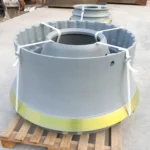
Buyers in the United Kingdom comparing crusher-part offers from abroad need the same technical description on every quotation. If one quote identifies the chamber and material while another says only ‘liner for model X’, the totals cannot be compared fairly. The import discussion comes after the part and the supply scope are clear; local customs questions belong with the buyer’s broker.
Identify the part before the seller
Accurate identification begins with the specific machine model and the intended application. For cone crushers, the chamber profile, closed-side setting, and feed properties dictate the required mantle and concave geometry. Ancillary items like feed plates often vary by specific model iteration, making visual identification insufficient. For HSI machines, blow bar material selection depends on a balance between impact resistance, abrasion levels, and the potential for foreign metal contamination. Buyers should provide the original reference codes for all components, noting that these codes function as identifiers for communication and require physical confirmation against existing parts before finalizing any procurement decision.
Keep the quoted scope comparable
A quotation is a commercial document, not a technical guarantee of fitment. When reviewing offers, separate the pricing structure from the material specifications. Request the exact chemical composition or hardness ratings for blow bars or liners to understand the intended application environment. If a supplier provides a reference code, ask them to confirm the dimensions and tolerance standards they apply to that specific part number. Do not assume that a matching reference code implies universal interchangeability across different machine generations. Require the supplier to define the specific material grade and its suitability for the intended feed material and abrasion levels.
Ask for order-specific records
Before authorizing a shipment, request objective evidence of the parts being supplied. This documentation should include dimensional inspection reports that verify the critical contact surfaces of mantles or the mounting dimensions of blow bars. Ask for photographs of the finished castings, including any identifiable markings or heat numbers that correlate with the provided material test certificates. If the parts involve complex assemblies, request assembly drawings or fitment diagrams. Reviewing these documents allows for the identification of potential discrepancies in geometry or material specification before the components leave the facility, reducing the risk of installation delays at the site.
Agree the shipping handoff
The physical receipt of crusher parts requires clear agreement on freight terms and customs handling. Define the Incoterms in the purchase agreement to establish exactly where the transfer of risk occurs between the supplier and the buyer. Because import regulations and duty structures vary, consult with your own customs broker to determine the classification of the incoming goods. Do not rely on the supplier to manage local tax or duty obligations. Ensure the packing method is specified, particularly for heavy castings that require secure crating to prevent damage during transit or handling at the port of entry.
What a buyer in the United Kingdom should send
List machine version, part position, complete public reference or approved measurements, material and quantity. Ask each supplier to state what its price includes, what evidence can accompany the casting, and how the item will be packed. Put destination and Incoterm in the written quotation; agree import handling with the buyer’s broker. This is a checklist for comparing offers, not a ranking of suppliers or a statement about duties.