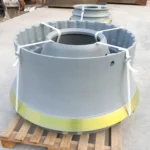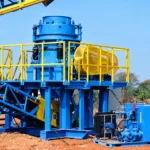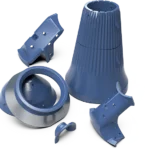
For a South African site, the first question on a replacement-part enquiry is whether the supplier and maintenance team have identified the same casting. A supplier ranking cannot answer that. Put machine version, position and scope in writing, then compare the inspection evidence and delivery handoff each bidder is prepared to provide.
Identify the casting
Part identification begins with the machine serial number and the specific reference code provided by the original equipment manufacturer. A reference code serves as an identifier requiring confirmation, never proof of interchangeability. Buyers should provide detailed drawings or photographs of the worn component to verify dimensions and geometry before finalizing a purchase. Relying solely on a part number often leads to errors if the machine has undergone previous modifications or field repairs. Confirming the exact configuration of the crusher chamber ensures that the replacement parts match the current operational setup of the equipment on site.
Make offers comparable
A quotation often lists basic descriptions that lack the technical depth required for heavy-duty crushing applications. Buyers should request explicit details regarding the material composition, such as manganese content or alloy specifications, rather than accepting generic labels. Distinguishing between a standard commercial grade and a specific metallurgical requirement prevents premature failure in the field. Requesting a formal technical data sheet allows maintenance teams to compare the proposed material against the operational demands of the specific crushing circuit. Clarifying these technical parameters during the quotation phase reduces the risk of receiving components that do not meet the intended application requirements.
Read the evidence for this order
To validate the quality of the components, buyers should request specific evidence from the supplier before the order is processed. This documentation may include mill test certificates, hardness test reports, or dimensional inspection records that correlate with the provided part numbers. If a supplier cannot provide traceable test data, the buyer should request independent laboratory verification or a sample for metallurgical analysis. Establishing these evidence requirements early in the process creates a clear standard for acceptance. This proactive approach allows the maintenance team to confirm that the physical properties of the parts align with the technical specifications defined in the initial request.
Plan packing and arrival
The final delivery of crusher parts involves coordinating freight terms and local import responsibilities. Buyers should define the destination clearly and agree upon specific Incoterms to determine who bears the risk during transit. Since import duties and local clearance procedures vary, these details should be settled in consultation with a local customs broker before the shipment departs. Confirming the packaging method is also necessary to prevent damage during long-distance transport. By establishing these logistical parameters in the purchase agreement, the buyer maintains control over the delivery timeline and avoids unexpected costs associated with international shipping and local port handling.
An RFQ for a South Africa-bound order
Give the model and revision, part position, full public reference or checked dimensions, requested material and quantity. Ask what records can accompany the order, how the item will be packed and which delivery term applies to the destination. The buyer’s broker should confirm import handling for the actual shipment. This checklist does not rank local suppliers or claim that a particular casting is available from stock.