The price range for jaw crusher parts is wide, and that’s exactly what makes purchasing decisions frustrating. Operations that try to cut costs on wear parts often spend three times more dealing with the consequences. Cheap doesn’t mean cost-effective — not in this industry.
This guide breaks down what actually drives jaw crusher parts prices in 2026, from materials and size to OEM vs aftermarket choices, so you can make smarter buying decisions.
1. Jaw Plates & Liners – The Core Price Drivers
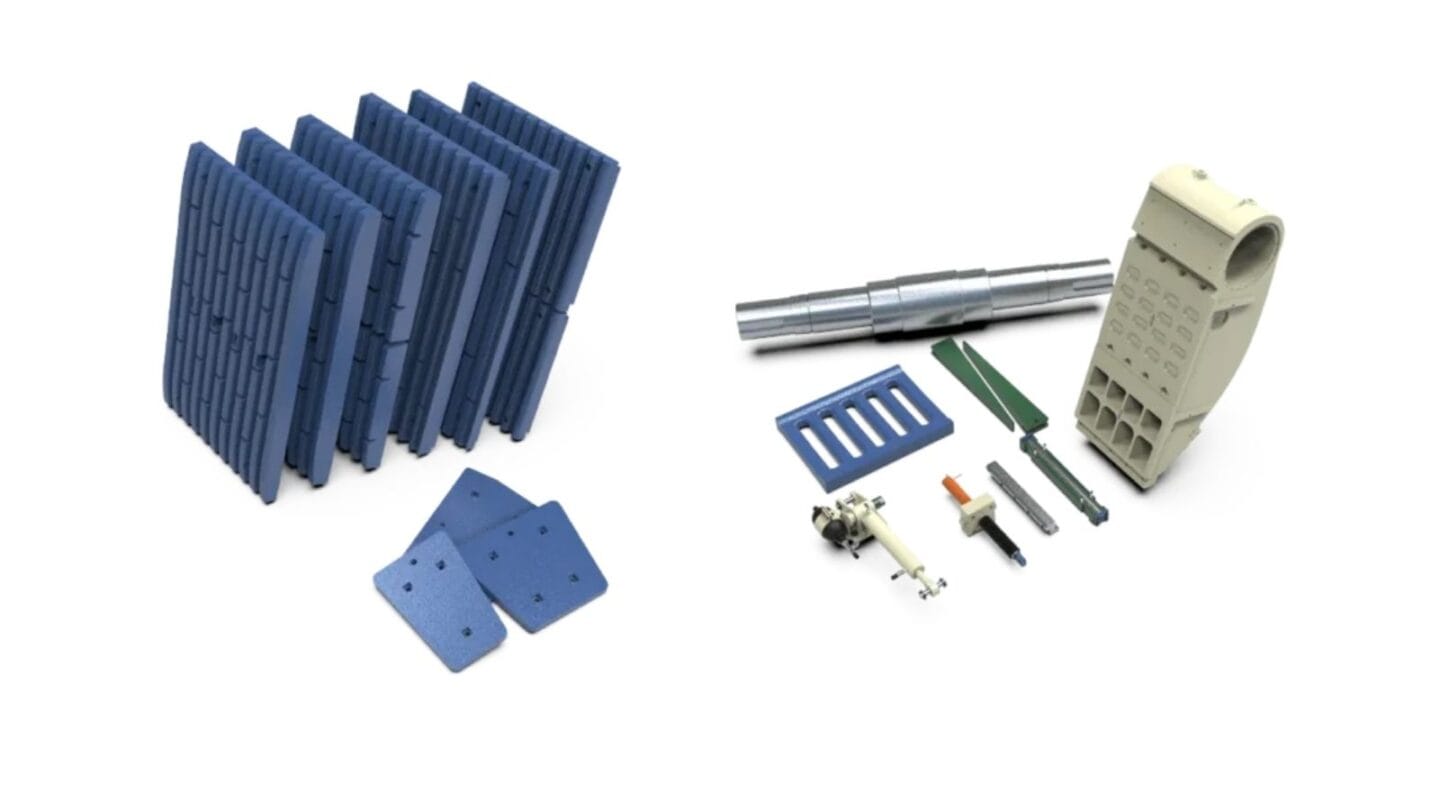
If there’s one area where buyers get misled most often, it’s jaw plates. The price variation between suppliers looks dramatic on paper, but the real question is what you’re actually getting.
Material grade is the single biggest factor. Mn13 (13% manganese) is the baseline — affordable, works fine for softer materials. Mn18 handles harder, more abrasive applications. Mn22, the premium grade, is for extreme conditions like hard granite or high-silica ores. The price difference between Mn13 and Mn22 can be 30–60% for the same plate dimensions.
Table 1 — Jaw Plate Price by Material Grade (2026 Estimates)
| Material Grade | Typical Application | Est. Price Range (per plate) | Relative Durability |
| Mn13 | Limestone, soft aggregate | $180 – $420 | Baseline |
| Mn18 | Medium hardness rock, mixed ore | $280 – $650 | +30–40% longer life |
| Mn22 | Granite, hard rock, high silica | $420 – $950 | +50–70% longer life |
| Mn18+Cr | Abrasive minerals, recycling | $350 – $720 | High impact + abrasion resistance |
Don’t get misled by a supplier quoting you Mn13 pricing when your application clearly needs Mn18. I’ve seen it happen. The plates arrive, look fine, and fail in three weeks.
Beyond grade, thickness and profile matter. A deep corrugated profile adds machining complexity and material weight — both push price up. Custom dimensions for non-standard crusher models add another 15–30% on top of standard pricing. OEM plates carry brand premiums of 40–80% over comparable aftermarket options. Sometimes that premium is justified. Often it isn’t.
2. Jaw Crusher Bearings & Springs Price
People underestimate these components until something goes wrong. A good jaw crusher bearing — typically a spherical roller bearing for the eccentric shaft — runs anywhere from $120 to $600+ depending on size, brand, and specification. Springs for tension rods usually range $40 to $180 per unit for standard models.
I’ve seen low-grade springs deform inside three months. By the time you notice reduced production, you’ve already lost more in downtime than the savings ever justified.
The real cost isn’t the part — it’s the hours of downtime, the labor to replace it in the field, and the wear cascaded onto adjacent components. A bearing that costs $80 less than the recommended spec can easily generate $2,000 in unplanned downtime costs.
When budgeting spare parts, always factor bearings and springs into your planned maintenance schedule — not as a reactive purchase, but a predictable cost. Bulk ordering from a single reliable supplier also brings unit prices down meaningfully.
3. OEM vs Aftermarket Jaw Parts – Price Comparison
Here’s the honest reality: OEM is not always better. And aftermarket is not always a risk. OEM jaw plates can run 50–80% more than equivalent aftermarket options from a reputable casting manufacturer. That’s not a small gap when you’re buying multiple sets per year.
Table 2 — OEM vs Aftermarket Price & Quality Comparison
| Factor | OEM Parts | Quality Aftermarket | Low-Cost Aftermarket |
| Price Level | 100% (reference) | ~50–65% of OEM | ~30–45% of OEM |
| Material Certification | Provided | Available on request | Often unavailable |
| Dimensional Accuracy | High | High (if factory-direct) | Variable / risky |
| Wear Life | Reference standard | 90–100% of OEM | 50–70% of OEM |
| Lead Time | Standard distributor | Competitive / faster direct | Fast (commodity stock) |
| Best Use Case | New machines under warranty | High-volume operations | Low-criticality only |
What you need to verify with any aftermarket supplier: compatibility (exact dimensions, bolt patterns, tolerances), material certification (mill certs, not just a grade label), and the supplier’s casting process. Sand casting versus precision casting makes a real difference in wear consistency.
Aftermarket done right delivers 90–100% of OEM performance at 50–65% of the price. The variable isn’t OEM vs aftermarket — it’s which manufacturer you trust. Suppliers like GUBT Casting offer factory-direct pricing with documented material specs, worth comparing against your current OEM quotes.
4. Custom Jaw Plates & High-Performance Liners
Standard parts work fine — until they don’t. Processing high-silica granite with standard profiles accelerates wear at the feed zone. Running sticky clay-mixed ore causes packing issues that a standard flat profile can’t handle.
A custom corrugated profile optimized for your specific feed size and material hardness can extend plate life by 20–40% compared to a generic profile. Custom-drawn jaw plate sets typically run 25–45% above standard pricing — but if a standard plate lasts four months and a custom one lasts six, the annual cost math shifts completely.
High-performance composite or chrome-alloyed manganese liners can reach $800–$1,500+ per plate — genuinely appropriate for extremely hard, highly abrasive conditions. The key question to ask any supplier: can you work from my crusher drawings? If they can’t, they’re not actually a custom solution.
5. Price Differences by Material & Quarry Type
Your material determines your wear rate, and your wear rate determines your real parts cost. Two operations buying identical jaw plates at identical prices can have wildly different annual spend depending on what’s going in the crusher.
Table 3 — Annual Parts Cost Estimate by Quarry Material (Medium Throughput Operation)
| Material Type | Abrasiveness | Recommended Grade | Est. Annual Plate Sets | Relative Annual Cost |
| Limestone | Low – Medium | Mn13 or Mn18 | 2–3 sets | Low |
| River gravel / Sand | Medium | Mn18 | 3–4 sets | Medium |
| Basalt | Medium – High | Mn18 or Mn18+Cr | 4–5 sets | Medium-High |
| Granite | High | Mn18 or Mn22 | 4–6 sets | High |
| Quartzite / High-silica ore | Very High | Mn22 or composite | 5–8 sets | Very High |
Using high-manganese steel for granite processing costs more per plate — no question. But trying to save money with Mn13 on granite means replacing plates twice as often. The math never works out.
6. Total Cost Considerations 2026
Single-part price is almost irrelevant. Total cost of ownership is what matters. What total cost actually includes: part unit price is only the start. Add installation labor ($200–$400 per plate change in technician hours at many sites). Add crusher downtime during replacement. Add secondary wear on adjacent components when a failing plate causes misalignment. Add emergency freight costs when stock runs out.
The smarter procurement approach is to calculate cost-per-ton-crushed rather than cost-per-part. A higher-priced, longer-lasting plate from a reliable supplier routinely wins on cost-per-ton even when it loses on sticker price.
Cheap one time, expensive many times — this is too common in the mining industry. Negotiate hard on total value: guaranteed material grade, dimensional quality, lead time reliability — not just the invoice number.
7. Where to Check Reliable Prices in 2026
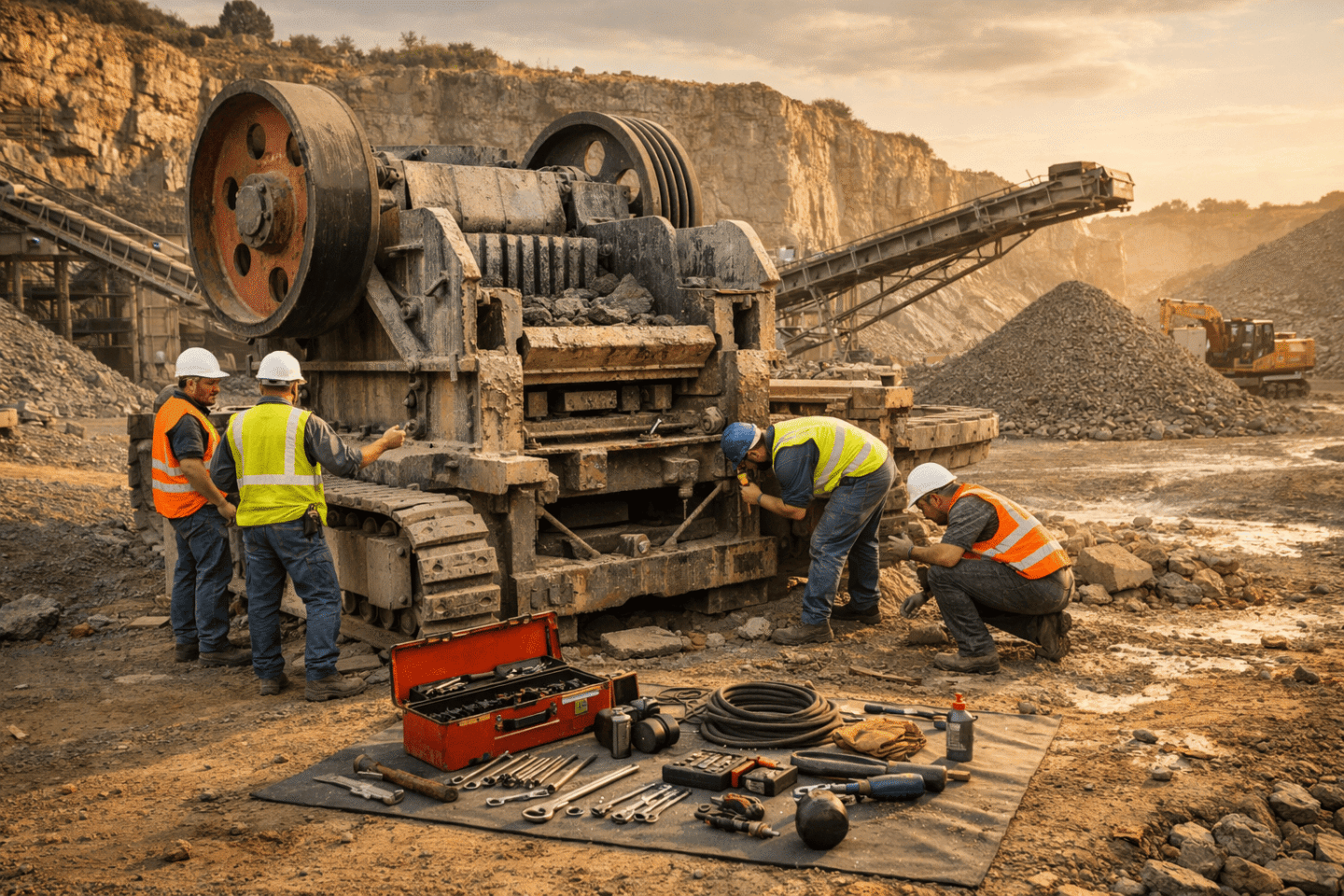
Getting accurate pricing in 2026 requires more than a quick web search. The most reliable approach is direct manufacturer quotes — go to casting factories with real production capability, not trading companies adding margin on resold parts. Ask for itemized quotes by part number, material grade, and weight.
For established crusher brands — Metso, Sandvik, Terex, and others — the OEM parts network gives you a baseline. Use that as a benchmark, not necessarily as your buying price.
Red flags to watch: suspiciously low pricing with vague material descriptions, suppliers who can’t provide material certifications, and no published lead times. These are signs of a commodity reseller with no real quality control.
When comparing quotes, look at pricing transparency, material documentation, and production lead times together. GUBT Casting presents their pricing and material specs in a way that makes vendor comparison straightforward — useful when you need actual data, not ballpark figures.
8. Final Tips – Don’t Just Chase Low Price
In jaw crusher parts, the cheapest option is usually not the most economical one. The operations that manage wear parts costs most effectively are the ones with reliable supply relationships, consistent part quality, and a planned maintenance schedule that keeps unplanned downtime to a minimum.
Key takeaways:
- Material grade (Mn13 → Mn22) is the primary jaw plate price driver — match it to your ore hardness
- OEM premiums of 50–80% are often unjustified for wear parts; quality aftermarket is a legitimate option
- Custom plates cost 25–45% more upfront but deliver 20–40% longer life in non-standard conditions
- Calculate cost-per-ton-crushed, not cost-per-part — it’s the only number that matters
- Granite and quartzite operations face 2–3x the annual parts spend vs. limestone — budget accordingly
- Cheap bearings and springs create outsized downtime risk — don’t cut corners on small components
- Request material certifications from every supplier — no cert, no order
Frequently Asked Questions
1. What are the primary factors driving the price of Jaw Crusher Parts in 2026? The price is mainly driven by material grade (e.g., Mn13 vs. Mn22), part weight and thickness, and the choice between OEM vs. high-quality aftermarket options. High-performance materials have a higher upfront cost but lower the overall cost-per-ton.
2. How does the manganese grade affect the price of Jaw Plates? Manganese content directly impacts wear life. Mn13 is the budget-friendly baseline for soft materials, while Mn22 is designed for extreme conditions like hard granite. Mn22 can cost 30–60% more than Mn13 but lasts significantly longer.
3. Why is the quality of Cheek Plates critical for my crusher? Cheek Plates protect the crusher’s mainframe. Using low-quality liners can lead to mainframe damage, resulting in expensive repairs and massive unplanned downtime that far outweighs any initial savings.
4. What is the typical price difference between OEM and Aftermarket Jaw Crusher Liners? OEM parts often carry a brand premium of 50–80%. Reliable aftermarket manufacturers like GUBT offer parts that deliver 90–100% of OEM performance at only 50–65% of the price.
5. Are there specialized High-Performance Liners for highly abrasive materials? Yes. For materials with high silica content, Mn18+Cr or composite alloys are recommended. While these can cost between $800 and $1,500+ per plate, they are essential for maintaining efficiency in harsh environments.
6. How do I verify the material quality of my Jaw Crusher Spare Parts? Always request Material Certifications and heat treatment reports. Reputable suppliers like GUBT Industry provide documented material specs (such as Mn18 or Mn22) to ensure the parts meet the required hardness and durability standards.
7. Is the investment in Custom Jaw Plates worth the higher price? Custom profiles typically cost 25–45% more than standard ones. However, if they are optimized for your specific feed size and material hardness, they can extend wear life by 20–40%, reducing your annual maintenance frequency.
8. What are the expected costs for small components like Bearings and Springs? High-quality spherical roller bearings generally range from $120 to $600+, while tension rod springs cost between $40 and $180. Cutting corners on these small parts can lead to thousands of dollars in downtime costs.
9. How does the type of rock being crushed affect my annual Jaw Crusher Parts budget? Abrasive materials like granite or quartzite can require 2–3 times the number of plate sets per year compared to limestone. You should budget based on cost-per-ton-crushed rather than just the price per part.
10. Where can I get a reliable Quick Quote for Jaw Crusher parts in 2026? You can contact the GUBT expert team directly for factory-direct pricing. Providing your crusher model (e.g., Metso, Sandvik, or Terex) and material type will ensure a highly accurate and competitive.
Latest Insights
How to Choose a Cone Crusher Parts Manufacturer? (2026 Expert Guide)
Cone Crusher Parts Price 2026: Mantle, Concave & Bowl Liner Cost Guide for Buyers
How to Choose the Right HSI Crusher Parts Manufacturer (Blow Bars, Impact Plates & Rotor Parts Guide)