
 Horizontal Shaft Impact (HSI) crushers serve as a cornerstone in the mining, aggregate, and recycling industries due to their ability to produce high-quality cubical products with high reduction ratios. However, the machine’s overall productivity is inextricably linked to the quality and suitability of its HSI Crusher Parts. The internal environment of an HSI crusher is incredibly aggressive, meaning that components like blow bars, impact plates, and liners are subject to constant high-velocity impact and abrasion.
The selection of HSI Crusher Spare Parts directly dictates crushing efficiency and the ultimate wear life of the equipment. Choosing the correct metallurgy—such as high-chrome, martensitic steel, or ceramic inserts—ensures that the machine maintains its intended gradation profile while minimizing unscheduled downtime. Conversely, opting for subpar or mismatched HSI Crusher Replacement Parts leads to a significant escalation in maintenance costs and energy consumption. Poorly fitted parts can cause uneven wear or structural damage to the rotor, resulting in expensive repairs and lost revenue from decreased throughput. For engineers and site managers, understanding the specific application and feed material is the first step in selecting components that guarantee maximum performance and operational longevity.
Understanding the Key Components of HSI Crusher Parts
The operational principle of a Horizontal Shaft Impact (HSI) crusher centers on the use of high-speed impact energy to fracture material. Unlike compression crushers that squeeze rocks, the HSI crusher utilizes a Heavy Duty Crusher Parts rotor spinning at high velocities. When feed material enters the crushing chamber, it is struck by rotating blow bars and flung against stationary impact plates. This process causes the material to fracture along its natural cleavage planes, producing a highly desirable cubical product shape common in the production of road aggregates and concrete. Because this process relies on sheer kinetic force, the structural integrity of these components is the primary factor in maintaining consistent throughput and product quality.
To withstand the violent internal environment, the machine is equipped with specialized Crusher Wear Parts designed to take the brunt of the impact. These components are typically cast from advanced alloys—such as high-manganese steel, high-chrome iron, or martensitic steel with ceramic inserts—to balance hardness and toughness. Without these sacrificial elements, the main rotor and the crusher’s outer shell would suffer catastrophic structural failure within hours of operation.
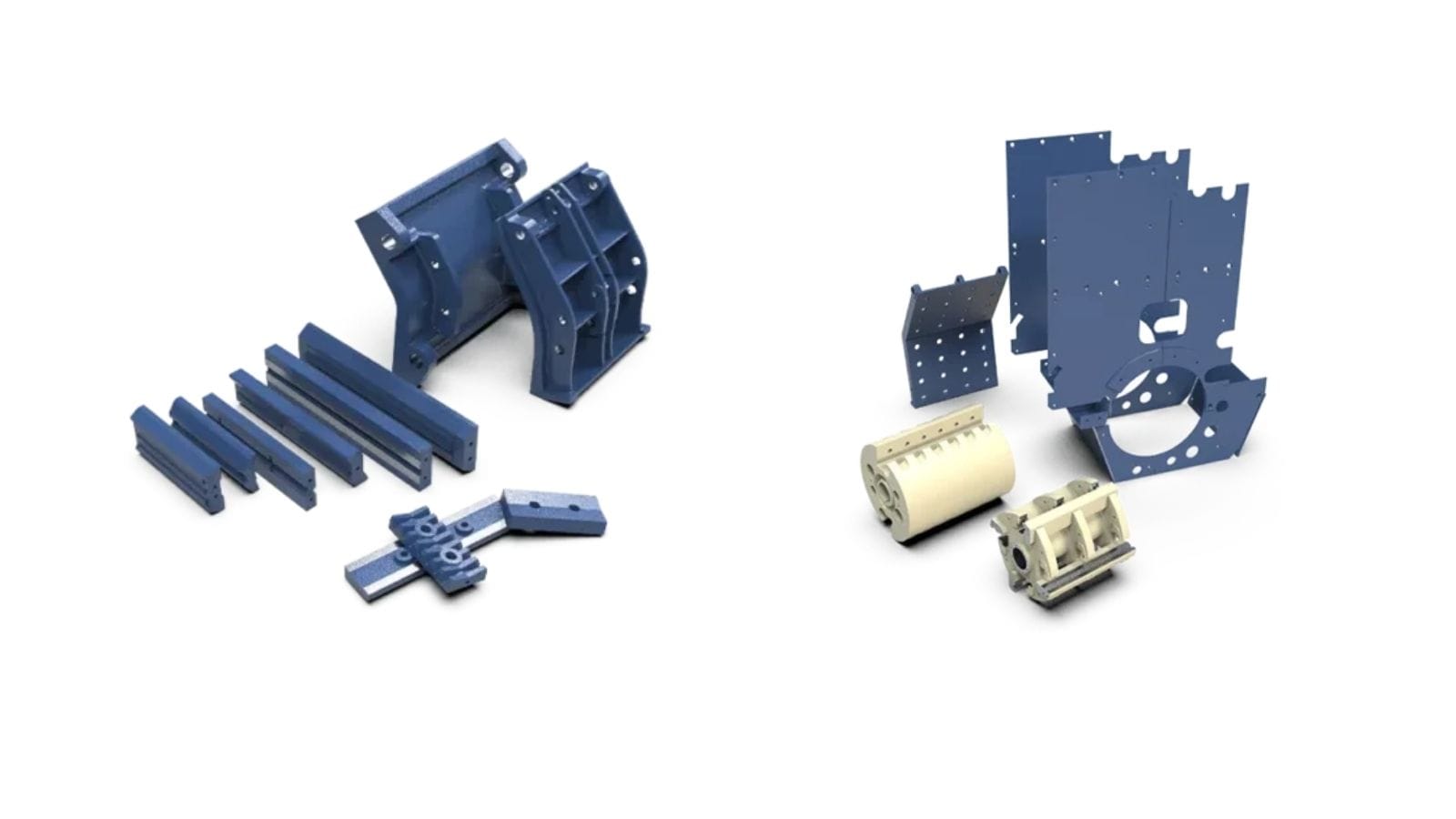
The core internal components categorized as HSI Crusher Parts include:
- Blow Bars: The thick slabs of metal inserted into the rotor which provide the primary impact force.
- Impact Plates (Toggles): Stationary components that the material hits after being struck by the blow bars to further the reduction process.
- Breaker Plates: Adjustable curtains that define the crushing chamber’s gap and control the final product size.
- Crusher Liners: Protective plates bolted to the interior walls of the housing to prevent wear on the machine’s frame.
Despite being part of the same system, these components wear at significantly different rates due to the physics of the crushing chamber. The blow bars experience the most rapid degradation because they meet the raw feed material at maximum velocity, enduring both high-impact shock and extreme sliding abrasion. In contrast, crusher liners usually last much longer as they primarily defend against secondary debris and “ricochet” particles. The wear rate is also heavily influenced by the silica content of the feed material; highly abrasive rocks like granite will erode Heavy Duty Crusher Parts much faster than softer materials like limestone, necessitating a strategic maintenance schedule to prevent the rotor from becoming unbalanced.
Types of HSI Crusher Wear Parts and Their Functions
Blow Bars and Rotor Impact Dynamics
The blow bar is the most critical component among Crusher Wear Parts, acting as the primary point of contact between the machine and the raw feed material. These thick slabs of metal are securely fixed into the rotor, which spins at high velocities to provide the initial shattering force. As the rotor turns, the blow bars strike the incoming rocks, utilizing kinetic energy for primary crushing. This high-speed collision causes the material to fracture instantly along its natural weak points. Because they are the first to meet the raw material, blow bars must be engineered as High Impact Crusher Parts. They are often composed of specialized alloys like martensitic steel or high-chrome iron, sometimes reinforced with ceramic inserts to balance the need for extreme hardness with the structural toughness required to withstand repetitive, violent shocks without cracking.
Impact and Breaker Plates for Secondary Reduction
After the initial strike by the blow bars, the material is accelerated toward the impact plates, also known as breaker plates or curtains. These components serve as the secondary crushing stage within the chamber. When the high-velocity fragments strike these stationary surfaces, they undergo further reduction through impact and attrition. These High Impact Crusher Parts are typically adjustable, allowing operators to control the gap between the rotor and the plate, which directly dictates the final gradation and shape of the aggregate. By fine-tuning these components, the HSI crusher can produce the highly sought-after cubical product required for modern construction standards. The interaction between the rebounding material and the plates ensures that even the hardest feed materials are broken down efficiently before exiting the machine.
The Role of Abrasion Resistant Liners in Frame Protection
While the blow bars and impact plates handle the active crushing, the interior housing of the machine is shielded by Abrasion Resistant Liners. These liners are sacrificial plates bolted to the side walls and top of the crushing chamber to prevent the machine’s structural frame from being eroded by “stray” material and high-speed dust. Unlike the components designed for direct impact, these Crusher Wear Parts are primarily engineered to resist the constant sliding abrasion caused by smaller particles circulating within the chamber. By maintaining a high-quality set of liners, operators can extend the overall service life of the crusher and prevent costly structural repairs. Regularly inspecting these Abrasion Resistant Liners is essential, as localized thinning can lead to “hot spots” where the main frame becomes vulnerable to permanent damage, potentially compromising the safety and alignment of the entire crushing system.
Choosing the Right Blow Bar Material
In the world of impact crushing, selecting the appropriate metallurgy for HSI Blow Bar Parts is the single most critical factor in determining operational profitability. While the mechanical design of the crusher remains constant, the metallurgical composition of the wear components acts as the variable that balances performance against operating costs. Choosing an incorrect material often leads to a “lose-lose” scenario: either the bars wear down prematurely, leading to excessive downtime and labor costs, or they shatter under impact, causing catastrophic damage to the rotor and internal chamber. Therefore, engineers must match the material properties to the specific geological characteristics of the feed stone.
The decision-making process typically revolves around the trade-off between wear resistance (hardness) and impact resistance (toughness). Harder materials, such as High Chrome Crusher Liners and blow bars, offer exceptional resistance to the scouring action of abrasive silica but are inherently more brittle. On the other hand, Manganese Crusher Parts provide the “give” needed to handle large, heavy feed without fracturing, yet they may wear too quickly when processing highly abrasive materials like granite. Achieving the perfect balance requires an understanding of the feed size, the presence of tramp metal, and the crushing ratio required for the final product.
| Material | Wear Resistance | Impact Resistance | Application |
|---|---|---|---|
| High Chrome | High | Medium | Hard rock / Abrasive stone |
| Manganese | Medium | Very High | Demolition / High-impact recycling |
| MMC (Ceramic) | Very High | High | Mixed materials / Max longevity |
Ultimately, the evolution of MMC Crusher Parts (Metal Matrix Composites) has revolutionized the industry by embedding ceramic inserts into a metallic host. This hybrid technology allows for the wear life of high chrome with the shock absorption of martensitic steel. For modern operations, the goal is to maximize the “up-time” of the crushing circuit. While Manganese Crusher Parts remain the standard for primary recycling where rebar or tramp metal may be present, High Chrome Crusher Liners and MMC components are becoming the preferred choice for aggregate producers seeking to reduce the cost-per-ton. By conducting a thorough analysis of the feed material’s Bond Work Index and abrasiveness, site managers can select a blow bar material that ensures the rotor remains balanced and the production line remains active, effectively turning wear part management from a maintenance headache into a competitive advantage.
Selecting HSI Impact Plates and Breaker Plates
The HSI Impact Plate, often referred to as the breaker plate or curtain, serves as the critical secondary crushing stage within a horizontal shaft impactor. After the rotor’s blow bars strike the incoming material, the fragments are accelerated at high velocities toward these stationary plates. The resulting collision provides a “rebound” effect, which is essential for achieving the final product’s cubical shape and desired size. Because these plates endure constant, high-energy bombardment, they must be manufactured from specialized alloys that can withstand both extreme shock and abrasive wear without fracturing or thinning prematurely.
Optimizing the crushing chamber design requires a strategic alignment between the rotor’s kinetic energy and the positioning of the HSI Breaker Plate. Most modern HSI crushers feature multiple adjustable curtains that allow operators to fine-tune the gap between the rotor and the impact surface. This adjustability is vital for compensating for natural wear and for managing the reduction ratio. When paired with High Performance Crusher Liners that protect the surrounding housing, a well-selected set of impact plates ensures that energy is directed efficiently toward rock fragmentation rather than being wasted on internal vibration or heat, thereby maximizing the overall throughput of the plant.
Key selection factors for impact and breaker plates include:
- Material Hardness: Matching the plate’s metallurgy (e.g., Chrome vs. Martensitic) to the feed’s silica content.
- Rotor Speed: Ensuring the plate can handle the impact velocity without excessive rebounding or “shaking.”
- Feed Size: Choosing the appropriate plate thickness and profile based on the maximum dimensions of the raw material.
Effective maintenance of these components is the cornerstone of operational longevity. Operators should conduct weekly inspections to check for uneven wear patterns or loose mounting bolts, which can lead to catastrophic plate failure if left unaddressed. It is also recommended to rotate or flip plates if the design allows, ensuring maximum utilization of the wear metal. By integrating high-quality HSI Impact Plates with a proactive replacement schedule for High Performance Crusher Liners, site managers can maintain a consistent gradation curve and prevent the increased energy costs associated with an inefficient, worn-out crushing chamber.
Optimizing Parts for Specific Crushing Applications
Hard Rock Quarrying and Mining
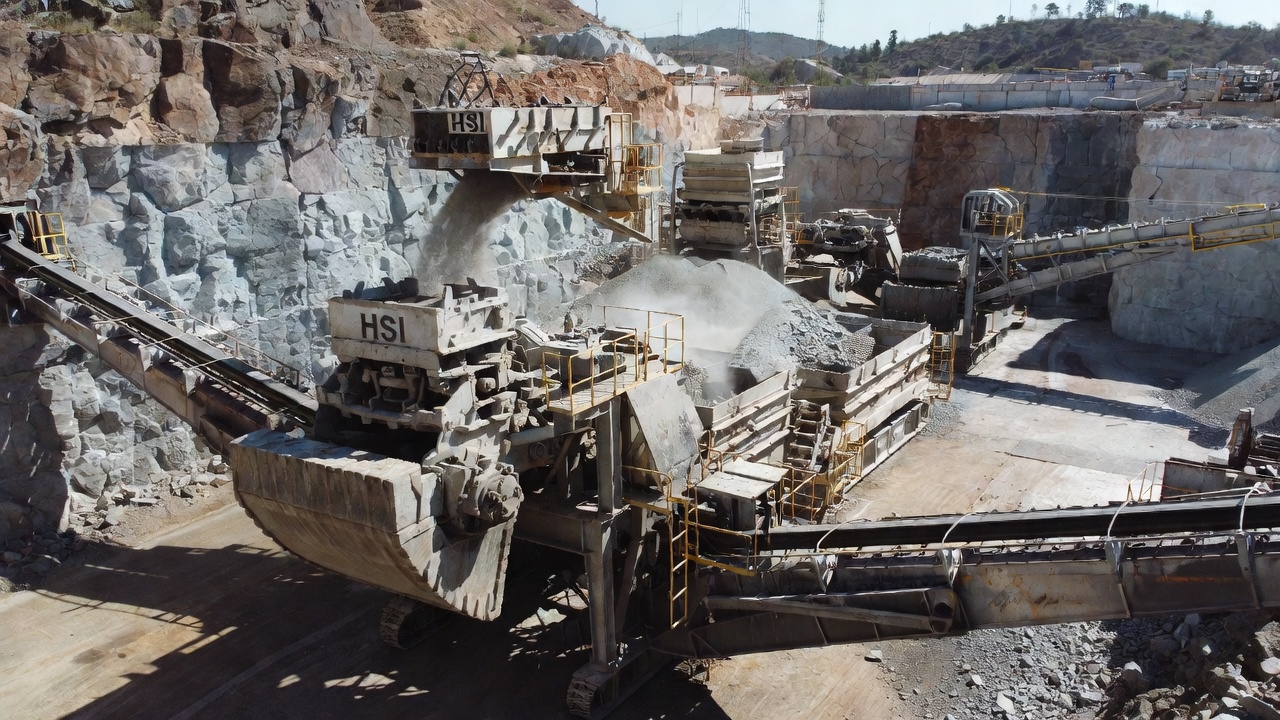
In a high-output quarry environment, the primary goal is managing the extreme abrasiveness of virgin materials like granite, basalt, or quartzite. Using the correct Quarry Crusher Parts is vital because the high silica content in these stones acts like sandpaper, rapidly eroding internal components. To maintain a profitable cost-per-ton, operators typically opt for high-chrome metallurgy for their blow bars and liners. These components provide the maximum hardness required to resist surface wear, ensuring that the crusher maintains its primary reduction efficiency throughout long shifts without frequent, costly interruptions for part rotations.
Precision Aggregate Production
Aggregate producers focus heavily on product shape and consistent gradation for use in high-grade concrete and asphalt. The selection of Aggregate Crusher Parts revolves around maintaining the precise geometry of the crushing chamber. When impact plates or blow bars become rounded or “cupped,” the ability to produce cubical, “in-spec” stones diminishes. By utilizing high-performance wear parts with specific profiles, producers can ensure that the kinetic energy is focused on fracturing the stone along its natural cleavage planes. This consistency reduces the volume of oversized “return” material and minimizes the generation of unsellable fines, directly boosting the plant’s overall yield.
Versatility in Recycling Applications
Recycling operations present the most diverse challenges for impactor components. When processing Concrete Recycling Parts, the equipment must contend with embedded rebar and wire mesh; here, martensitic steel or manganese parts are often preferred for their shock-absorbing toughness, which prevents the blow bars from cracking when striking metal. In Asphalt Recycling Parts, the primary concern shifts to “clogging” and heat management, requiring liners that can withstand the sticky bitumen content without excessive buildup. Finally, for the toughest tasks involving Demolition Crusher Parts, where brick, wood, and mixed debris are common, a hybrid material approach is often best. Using Metal Matrix Composites (MMC) allows the machine to survive the unpredictable impacts of demolition waste while providing enough abrasion resistance to handle the abrasive mortar and dust, ensuring the rotor remains balanced even in the most punishing urban recycling environments.
OEM vs Aftermarket HSI Crusher Parts
Selecting OEM HSI Parts is often viewed as the safest investment for operators who prioritize guaranteed fitment and original engineering specifications. Original Equipment Manufacturers design their components to match the exact tolerances and structural requirements of the machine’s rotor and housing, which significantly reduces the risk of mechanical imbalance or premature failure. These parts typically come with comprehensive warranties and technical support, providing peace of mind for high-stakes mining or quarrying operations. However, this level of security often comes at a premium price point, and lead times can be longer depending on the manufacturer’s global supply chain and distribution network.
In contrast, the market for Aftermarket HSI Parts has evolved to offer a highly competitive alternative that focuses on cost-efficiency and rapid availability. Modern aftermarket suppliers often utilize reverse engineering and advanced casting technologies to produce components that meet or even exceed the performance of the original designs. For many site managers, the primary advantage of going aftermarket is the significant reduction in operational overhead without a proportional loss in wear life. Because these suppliers often specialize exclusively in wear parts, they may provide faster shipping and more flexible pricing structures, making them an attractive choice for aging equipment or projects with tight budgetary constraints where immediate uptime is the priority.
The decision to move toward Custom Crusher Parts usually occurs when standard configurations fail to meet the unique demands of a specific geological or industrial application. When an operator is dealing with unusually abrasive feed material or a specific contamination issue, such as heavy rebar in recycling, custom-engineered alloys or modified part profiles can offer a tailored solution. These bespoke components are designed by analyzing the specific wear patterns of a local site, allowing engineers to reinforce “hot spots” or adjust metallurgy to maximize the return on investment. Choosing a custom approach is ideal for large-scale operations looking to shave cents off their cost-per-ton by optimizing the lifespan of every kilogram of wear metal.
How to Evaluate the Quality of HSI Crusher Replacement Parts
Ensuring the integrity of HSI Crusher Replacement Parts is a critical task for any maintenance engineer, as poor-quality castings can lead to catastrophic rotor damage or unexpected downtime. Quality evaluation begins with a visual inspection of the surface finish and the precision of the mounting dimensions. Inferior parts often exhibit casting defects such as porosity, sand inclusions, or micro-cracks that are invisible to the naked eye but act as stress concentrators during high-velocity impacts. Furthermore, the effectiveness of High Performance Crusher Liners and blow bars depends heavily on the internal grain structure of the metal, which can only be verified through rigorous non-destructive testing and material certification.
To guarantee the longevity of your equipment, engineers should perform a comprehensive quality audit on all incoming components. For Abrasion Resistant Liners and impact surfaces, consistency is key; variations in hardness across a single part can lead to uneven wear patterns that unbalance the rotor. A high-quality replacement part should come with a verified heat treatment record and a chemical analysis report that matches the specific application requirements of the site.
Engineer’s Quality Inspection Checklist:
- Alloy Composition: Verification of carbon, chrome, or manganese levels via spectrographic analysis to ensure the metal meets the specified grade.
- Hardness Level: Brinell or Rockwell hardness testing at multiple points to confirm uniform resistance across the entire wear surface.
- Casting Quality: Ultrasonic or X-ray inspection to detect internal voids, cracks, or inclusions that could lead to premature fracturing.
- Heat Treatment: Confirmation of the tempering and quenching process to ensure the parts achieve the perfect balance of toughness and hardness.
By adhering to these strict evaluation standards, operations can avoid the “false economy” of cheap components and ensure that their HSI Crusher Replacement Parts deliver the lowest cost-per-ton over their entire service life.
Maintenance Tips to Extend Wear Part Life
Proactive maintenance is the most effective way to protect your investment in Crusher Wear Parts and ensure the long-term stability of your operations. Because HSI crushers operate on the principle of high-velocity impact, even minor misalignments or neglected wear patterns can escalate into major mechanical failures. When parts are allowed to wear beyond their recommended limits, the efficiency of the crushing chamber drops, leading to increased energy consumption and higher stress on the machine’s bearings and motor. A disciplined approach to maintenance not only extends the physical life of Heavy Duty Crusher Parts but also stabilizes the quality of the final aggregate product.
The most successful maintenance strategies focus on preventing localized damage before it compromises the entire system. This involves monitoring the “wear profile” of blow bars and impact plates to ensure they are eroding evenly. Rotating or flipping components at the correct intervals allows operators to utilize the maximum amount of wear metal, effectively lowering the cost-per-ton. Additionally, maintaining a clean crushing environment by removing tramp metal and oversized debris prevents the sudden, catastrophic shocks that can fracture even the toughest Heavy Duty Crusher Parts.
Essential Maintenance Practices:
- Regular Inspection: Conduct daily visual checks for loose bolts, cracks, or unusual wear patterns on the Crusher Wear Parts to catch issues early.
- Rotor Balancing: Ensure that blow bars are replaced or rotated in pairs to maintain the rotor’s equilibrium and prevent destructive vibrations.
- Feed Control: Manage the feed rate and distribution across the width of the rotor to prevent “center-wear” and ensure the entire surface of the part is utilized.
By implementing these consistent practices, site managers can significantly reduce unscheduled downtime and ensure their equipment remains a high-performing asset for years to come.
Frequently Asked Questions: Choosing HSI Crusher Parts
How often should HSI blow bars be replaced?
The replacement frequency for HSI Replacement Parts depends heavily on the abrasiveness of the feed material and the tonnage processed. In high-silica environments like granite quarries, blow bars may need rotation or replacement every few days, whereas in limestone applications, they might last weeks. A general rule is to replace or flip the bars when they have lost approximately 40% to 50% of their original weight or when the gap between the bar and the breaker plate can no longer be adjusted to maintain the required product size.
What material is best for HSI crusher blow bars?
There is no single “best” material; the choice depends on the application. For hard, abrasive rock, High Chrome is the industry standard due to its extreme wear resistance. For recycling or demolition where tramp metal is present, Manganese or Martensitic steel is preferred for its superior impact toughness. For those seeking maximum longevity in mixed applications, MMC (Metal Matrix Composite) bars with ceramic inserts offer the best of both worlds, significantly extending the service life of these critical HSI Crusher Spare Parts.
Are aftermarket HSI crusher parts reliable?
Yes, modern HSI Replacement Parts from reputable aftermarket manufacturers are highly reliable and often match or exceed OEM standards. These suppliers use advanced metallurgical analysis and precision casting to ensure proper fitment and performance. The key is to verify the supplier’s quality control processes, such as hardness testing and ultrasonic inspections. Many operators prefer aftermarket options because they offer a more favorable balance between cost and wear life, providing a faster return on investment without sacrificing the machine’s safety or structural integrity.
How can I extend crusher wear part life?
Extending the life of HSI Crusher Spare Parts starts with consistent feed management; ensuring the material is distributed evenly across the width of the rotor prevents localized “grooving.” Regularly flipping or rotating blow bars and impact plates ensures that you utilize all available wear metal. Additionally, maintaining a consistent rotor speed and keeping the crushing chamber free of uncrushable tramp metal will prevent premature fractures and excessive vibration, which are the leading causes of shortened component life and unplanned maintenance.
Latest Insights
Cone Crusher Liners vs Jaw Plate Parts: Wear Mechanism, Structure Differences & Replacement Cycles

Long Life Crusher Liners:Material Selection, Wear Optimization & Cost Reduction Guide
Mining Crusher Parts for Hard Rock: High-Performance Wear Solutions & Cost Optimization Guide