
The Role of the Mn18Cr2 Bowl Liner in Cone Crushing
In the demanding environment of secondary and tertiary crushing, the Mn18Cr2 bowl liner serves as the critical wear interface within cone crushers. These components face extreme compressive forces and abrasive friction that would rapidly destroy standard carbon steels. Consequently, selecting the precise metallurgy for crusher wear parts is the determining factor in plant efficiency and maintenance intervals.
While standard Hadfield steel (Mn13) has historically been used, the Mn18Cr2 bowl liner has become the preferred industry standard for modern high-performance crushers. The addition of chromium and the increased manganese content allow for a superior balance of abrasion resistance and impact toughness. GUBT engineers these aftermarket components to deliver stable performance in specific comminution environments:
- High-Pressure Crushing: Modern cone crushers with high clamping forces require the structural integrity of Mn18Cr2 to prevent plastic deformation.
- Abrasive Silica Content: When processing hard ores, the chromium carbides in a Mn18Cr2 bowl liner provide enhanced resistance to gouging wear compared to standard Mn13.
- Thermal Stability: Strict control over the casting process ensures the alloy maintains performance even under the heat generated by friction in the crushing chamber.
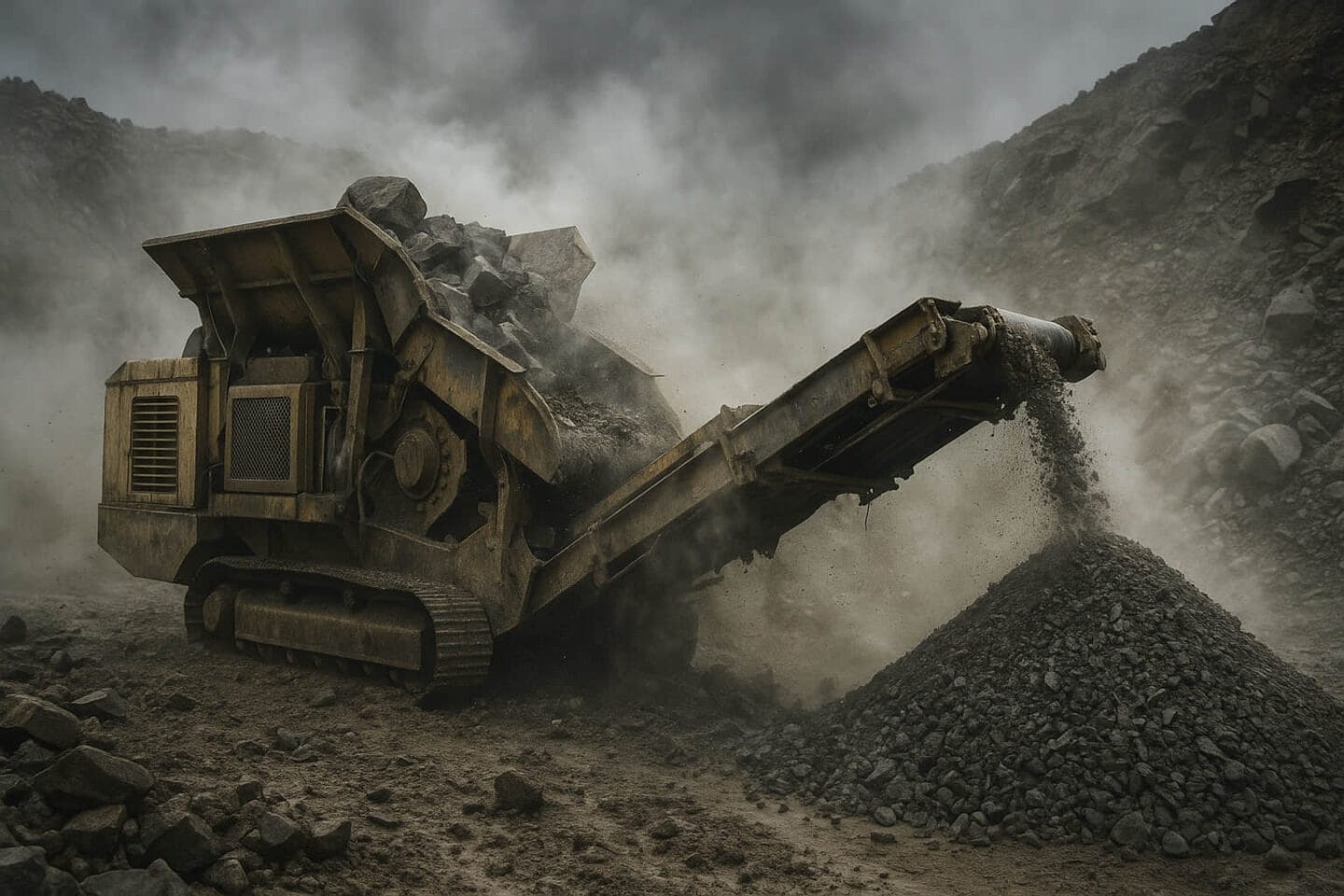
Metallurgical Comparison: Why Mn18Cr2 Dominates
Detailed below is a technical comparison of wear materials, highlighting the specific advantages of using a Mn18Cr2 bowl liner over other alloy options in cone crusher applications:
| Material Type | Initial Hardness (HB) | Toughness (Impact Energy) | Work Hardening Potential | Typical Applications |
|---|---|---|---|---|
| High Manganese Steel | ~220 HB | Excellent (>150 J) | High (~500-600 HB) | Jaw plates, Cone mantles/concaves |
| High-Chrome Cast Iron | >600 HB | Very Low | Negligible | VSI parts, Ball mill liners |
| Alloy Q&T Steel | 300-500 HB | Moderate | Low | Hammer mill hammers |
| Ceramic-Metal Composite | >700 HB (Ceramic) | Low (Matrix dependent) | N/A | Blow bars, specialized liners |
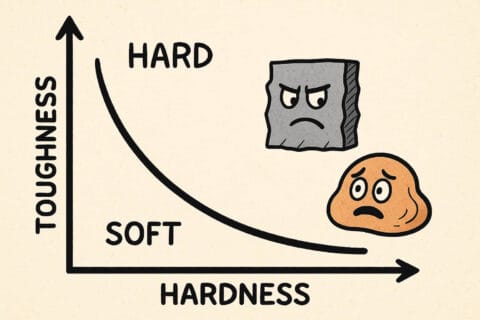
Optimization of Mn18Cr2 Alloys
- Standard Specifications: While Mn13Cr2 is common, the Mn18Cr2 bowl liner offers improved yield strength specifically for medium to hard rock applications.
- Work-Hardening Mechanism: Under impact, the austenitic surface layer transforms into martensite. Mn18Cr2 enables a more rapid and deeper hardening capability than Mn13, extending wear life in cone crushers.
- Primary Application: The definitive metallurgy for mantles and bowl liners in Metso, Sandvik, and Symons-style machines.
- GUBT Advantage: Our foundry strictly controls the C/Mn ratio and Chromium content (1.5%–2.5%) to ensure the alloy is suitable for high-stress crushing without embrittlement.
High-Chromium Cast Iron Limitations
- Microstructure: Composed of hard M7C3 carbides held in a matrix, offering exceptional abrasion resistance.
- Brittleness Risks: Lacks the ductility required for the high compressive loads of a cone crusher. A chrome iron liner would likely fracture catastrophically in a bowl liner application.
- Application: Best suited for chute liners or VSI parts where impact energy is controlled.
Alloy Quenched & Tempered (Q&T) Steel
- Composition: Martensitic low-alloy steels favored for their high initial yield strength.
- Performance Gap: While stronger initially, they lack the self-hardening phenomenon of manganese steel. A Mn18Cr2 bowl liner will eventually out-harden Q&T steel in operation.
- Application: Typically used for structural liners or SAG mill liners where profile maintenance is critical but impact is moderate.
Ceramic-Metal Composites
- Composition: Ceramic inserts embedded in a steel matrix to combat extreme sliding abrasion.
- Economic Viability: While effective, the cost-per-hour often exceeds that of a well-manufactured Mn18Cr2 bowl liner for standard aggregate production.
- Usage: Specialized applications involving highly abrasive, low-impact feeds.
Selection Strategy: When to Use Mn18Cr2
Engineering the optimal Mn18Cr2 bowl liner requires analyzing the Closed Side Setting (CSS), feed hardness, and chamber compression ratios.
By Equipment Type
| Equipment | Recommended Metallurgy | Technical Rationale |
|---|---|---|
| Jaw & Gyratory Crushers | Modified Mn18Cr2 / Mn22Cr2 | High impact energy catalyzes the work-hardening process effectiveley. |
| Impact Crushers (HSI) | Mn Steel or High Chrome | Manganese handles large feed sizes; Chrome is preferred for abrasive fines. |
| Cone Crushers | Mn18Cr2 Bowl Liner | Provides the ideal balance of ductility to prevent cracking and hardness to resist sliding wear. |
By Ore Characteristics
- Standard Abrasive Rock: The Mn18Cr2 bowl liner is the baseline standard, offering better longevity than Mn13 for granite and basalt.
- High Impact / Low Abrasiveness: While Mn13 is ductile, Mn18Cr2 provides higher structural strength to resist “mushrooming” or plastic flow in the chamber.
- Extreme Hardness: For extremely hard ores (Quartzite), Mn22Cr2 may be considered, but Mn18Cr2 remains the most versatile and reliable choice for general duty.
Failure Mode Analysis
| Observation | Metallurgical Response |
|---|---|
| Rapid Gouging | Feed is too abrasive for Mn13; upgrade to a Mn18Cr2 bowl liner for higher carbide content. |
| Plastic Flow (Mushrooming) | Yield strength insufficient; Mn18Cr2 or Mn22 reduces deformation compared to Mn13. |
| Cracking/Spalling | Grain boundary carbide precipitation due to poor heat treatment; ensure foundry quality. |
Manufacturing Premium Mn18Cr2 Castings
Casting Capacity & Precision
- Scale and Quality: GUBT leverages a 20,000-ton annual casting capacity to produce consistent Mn18Cr2 bowl liner batches. Strict temperature controls during pouring prevent grain segregation.
- Simulation: Advanced solidification modeling addresses potential shrinkage in the thick sections of heavy duty bowl liners.
Heat Treatment Criticality
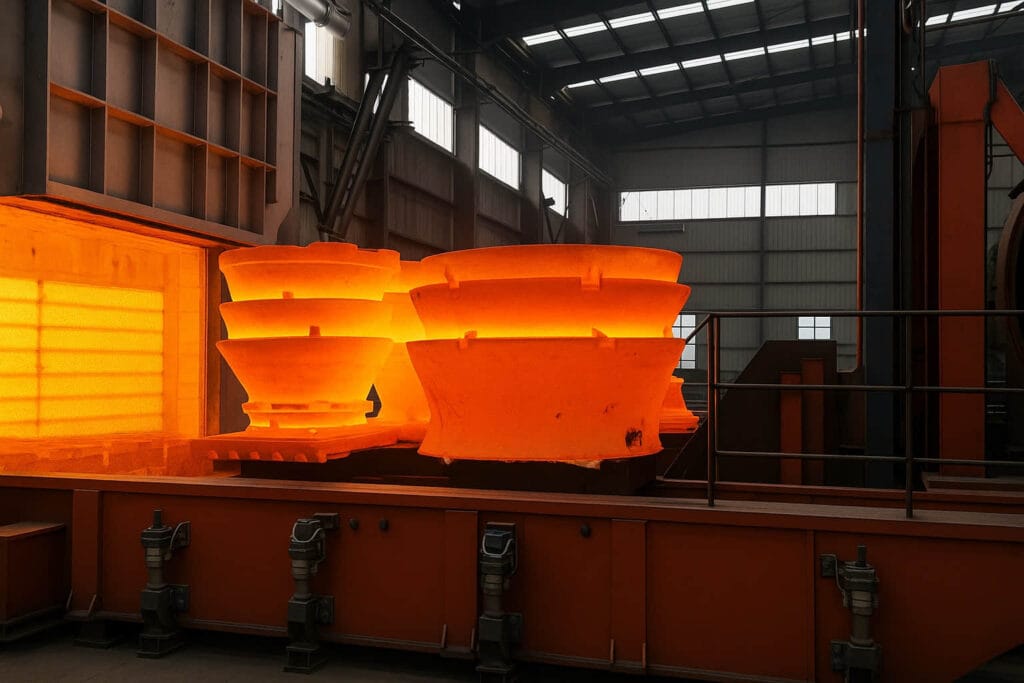
- Solution Toughening: Mn18Cr2 bowl liners must undergo precise water quenching from ~1100°C.
- Microstructure Control: Any delay in quenching allows carbides to precipitate at grain boundaries, creating brittleness. GUBT’s automated heat treatment guarantees a single-phase austenitic structure, essential for preventing in-service cracking.
Surface Finishing
- Machining: Due to the rapid work-hardening nature of Mn18Cr2, machining requires specialized tooling. GUBT ensures precise grinding of seating surfaces to OEM-compatible tolerances.
- Fitment: Proper mating surfaces are crucial to prevent liner movement within the bowl assembly.
Performance Case Studies
- Granite Quarry: Transitioning from Mn13 to GUBT Mn18Cr2 bowl liner replacements increased wear life by 28%, reducing changeout downtime.
- River Stone Processing: Optimized Mn18Cr2 profiles maintained the Closed Side Setting (CSS) for extended periods, improving aggregate product shape.
- Mining Application: Solved a recurring cracking issue in a Symons-style crusher by deploying high-integrity Mn18Cr2 castings with verified impact toughness.
Market Trends in Liner Metallurgy
Alloy Enhancements
- Micro-alloying Mn18Cr2 with Vanadium or Titanium to further refine grain size and boost yield strength.
- Data-driven design adjustments to the Mn18Cr2 bowl liner profile to balance wear rates between the mantle and bowl.
Sustainable Manufacturing
- GUBT utilizes sand reclamation technologies to minimize the environmental footprint of casting production.
- Improving the wear-to-weight ratio ensures that every ton of Mn18Cr2 steel produces maximum aggregate tonnage before recycling.
Risks of Inferior Garnish
- Hidden Defects: Poorly treated Mn18Cr2 may look correct but contains internal porosity or carbide networks that lead to early failure.
- Dimensional Drift: Aftermarket parts must adhere strictly to OEM geometric specs. A Mn18Cr2 bowl liner that fits poorly can damage the crusher’s adjustment ring or bowl.
Strategic Sourcing Recommendations
- Partner with manufacturers like GUBT that provide full metallurgical traceability for every Mn18Cr2 bowl liner.
- Select the manganese grade based on a technical assessment of the ore’s crushability and abrasiveness rather than cost alone.
Conclusion
The efficiency of a cone crusher is directly tied to the metallurgy of its wear chamber. As a specialized aftermarket manufacturer, GUBT delivers the Mn18Cr2 bowl liner as a high-performance, OEM-compatible solution designed for durability and consistency.
By ensuring precise chemical composition and rigorous heat treatment, GUBT enables operators to fully exploit the work-hardening properties of Mn18Cr2, achieving reduced cost-per-ton and reliable operational continuity in mining and aggregate plants.
Latest Insights
Cone Crusher Liners vs Jaw Plate Parts: Wear Mechanism, Structure Differences & Replacement Cycles

Long Life Crusher Liners:Material Selection, Wear Optimization & Cost Reduction Guide

Mining Crusher Parts for Hard Rock: High-Performance Wear Solutions & Cost Optimization Guide