
Jaw crusher parts are the essential components that make up a jaw crusher, a heavy-duty machine used in mining, quarrying, and aggregate production to break down large rocks into smaller pieces through compressive force. These parts include wear items like jaw plates and structural elements such as frames and bearings that work together to handle tough materials efficiently. Their primary purpose is to ensure the crusher operates at peak performance, reducing downtime and extending the machine’s overall lifespan. By maintaining high-quality jaw crusher parts, operators can avoid costly breakdowns and improve productivity. Key elements like jaw plate parts, often made from durable materials such as high manganese jaw plates, are critical for withstanding abrasive impacts and ensuring consistent crushing results.
Core Components of a Jaw Crusher
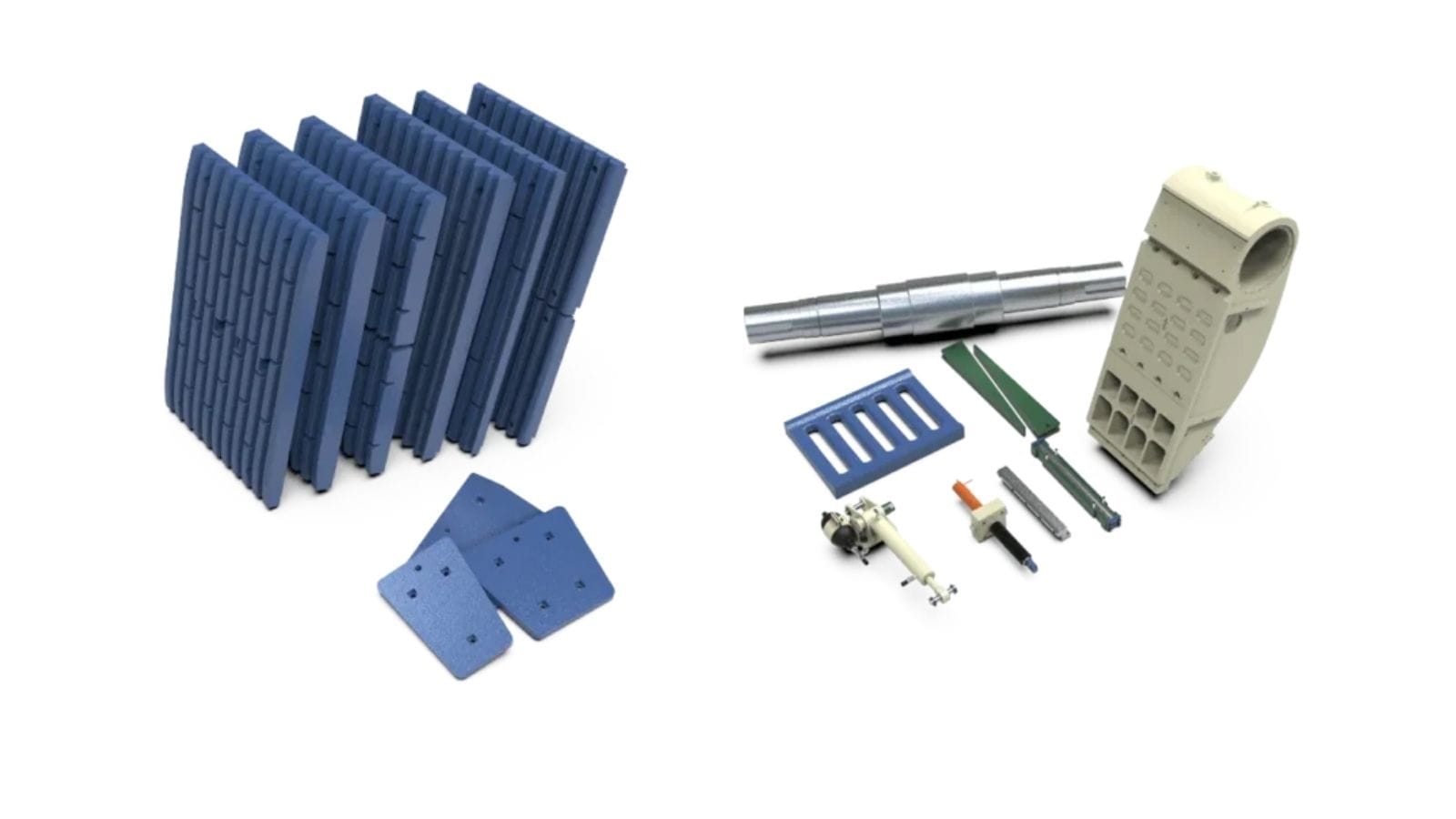
A jaw crusher relies on several core components to function effectively, each contributing to the crushing process. Understanding these jaw plate parts and other elements helps in selecting OEM jaw parts or aftermarket jaw parts for optimal performance.
- Fixed Jaw Plate & Movable Jaw Plate: The fixed jaw plate remains stationary, providing a rigid surface against which material is crushed. The movable jaw plate, also known as the swing jaw, moves back and forth, compressing rocks between the two plates. These are typically made from high manganese steel for durability and are the primary contact points for material, making them prone to wear.
- Toggle Plate: This component acts as a safety device, transmitting force to the movable jaw while protecting the crusher from overloads by breaking if uncrushable material enters. It also helps adjust the discharge opening.
- Cheek Plates: Positioned on the sides of the crushing chamber, cheek plates protect the crusher frame from abrasion caused by falling material. They are replaceable and help maintain the chamber’s integrity.
- Bearings & Springs: Bearings support the eccentric shaft, reducing friction for smooth operation. Springs, often part of the retraction system, pull the movable jaw back after each crush stroke, ensuring consistent motion.
Regular maintenance of these components is crucial, as worn replacement jaw parts can lead to inefficiencies. For instance, timely replacement of jaw plates prevents excessive vibration and extends the life of other parts.
Replacement Jaw Parts and Custom Jaw Plates
Knowing when to replace jaw parts is key to avoiding operational disruptions. Signs include excessive wear (over 30% thickness loss), uneven output size, increased vibration, or reduced crushing efficiency. Typically, jaw plates need replacement every few months to half a year, depending on material hardness and usage intensity.
High manganese jaw plates offer significant advantages due to their work-hardening properties—they become tougher under impact, providing excellent resistance to abrasion and shock. Grades like Mn18 crusher parts balance wear resistance and impact strength, ideal for medium-abrasive materials, while Mn22 crusher parts excel in highly abrasive environments, offering maximum durability but at a higher cost.
Custom jaw plates are tailored for specific applications, such as crushing particular ores or achieving desired particle sizes. For example, in granite quarrying, customized profiles with reinforced edges can improve grip and reduce slippage. A case study from a mining operation showed that switching to custom Mn22 plates increased throughput by 20% and extended part life by 30%, demonstrating enhanced EEAT (Experience, Expertise, Authoritativeness, Trustworthiness) through real-world performance data.
Supporting Components for Jaw Crushers
Beyond the core crushing elements, supporting components ensure the jaw crusher’s stability and longevity.
- Jaw Crusher Bearings: These reduce friction on moving parts like the eccentric shaft, preventing overheating and ensuring smooth cycles. Poor bearings can lead to misalignment and premature failure of other components.
- Jaw Crusher Springs: They retract the movable jaw after each stroke and absorb shocks, maintaining rhythm and protecting against overloads. Worn springs reduce efficiency and increase stress on the frame.
- Toggle Plate Parts: As a force transmitter and safety fuse, the toggle plate breaks under extreme loads to safeguard the machine, directly impacting downtime and repair costs.
- Cheek Plate Parts: These shield the sides from wear, preserving the crusher’s structural integrity and extending overall equipment life.
These parts influence performance by minimizing vibrations and energy loss, leading to longer operational cycles. Options include standard OEM jaw parts for precise fit and aftermarket alternatives for cost savings, though OEM often provides better warranties.
Material-Specific Crusher Parts
Selecting the right crusher parts depends on the material being processed, as different rocks demand varying levels of durability. Manganese crusher parts are common for their toughness, but specifics vary.
For quarry crusher parts handling granite or basalt, high-manganese options like Mn22 are preferred for extreme abrasion resistance. Aggregate crusher parts for softer limestone might use Mn13 for cost-effectiveness. In mining crusher parts applications with hard ores, reinforced designs prevent cracking. Granite crusher parts benefit from corrugated profiles for better grip, while basalt crusher parts require high-impact resistance. Concrete recycling parts often use Mn18 to handle rebar-contaminated material without rapid wear.
| Material Grade | Durability | Abrasion Resistance | Best For |
|---|---|---|---|
| Mn13 | Moderate | Low-Medium | Soft materials like limestone |
| Mn18 | High | Medium-High | Medium-abrasive rocks like granite |
| Mn22 | Very High | High-Extreme | Highly abrasive like basalt or quartzite |
Emphasizing abrasion-resistant liners ensures efficient crushing and reduces replacement frequency.
Maintenance and Replacement Tips
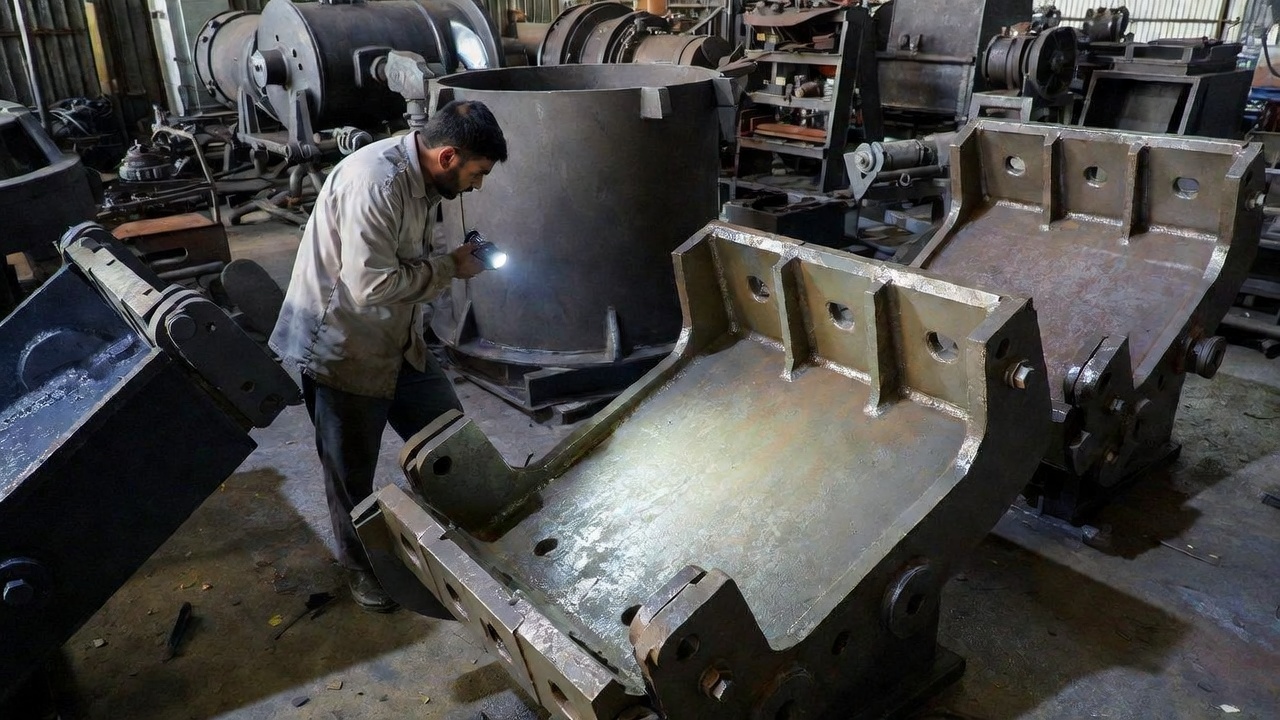
Proper maintenance of crusher wear parts, crusher maintenance parts, and crusher repair parts is essential for heavy-duty crusher parts and high-impact crusher parts to perform reliably.
Daily checks should include inspecting jaw plates for cracks or uneven wear, lubricating bearings to prevent friction buildup, and tightening bolts to avoid vibrations. Common wear areas are the lower sections of jaw plates and cheek plates, where material impact is highest. Replacement cycles vary: jaw plates every 3-6 months, toggle plates every 6-12 months, and bearings based on lubrication schedules.
For abrasion-resistant liners, rotate reversible plates to even out wear. A tip: Use a maintenance log to track hours of operation—replace parts at 70-80% wear to prevent failures. Embed video guides from manufacturers for visual tutorials to boost user engagement.
Choosing OEM vs Aftermarket Jaw Crusher Parts
When deciding between OEM jaw parts and aftermarket jaw parts, key factors include cost, durability, and specific application needs. OEM parts, manufactured by the original equipment producer, ensure a precise fit, superior materials, and often come with comprehensive warranties. While they may cost 20-50% more upfront, they typically deliver enhanced durability, lasting 20-30% longer thanks to rigorous certified standards, making them ideal for high-demand operations in mining or quarrying.
On the other hand, aftermarket jaw crusher parts provide a more budget-friendly option with broader availability, often matching performance in moderate-use scenarios. However, quality can vary between suppliers—some aftermarket options might wear out faster or have compatibility issues. For custom crusher parts, aftermarket providers frequently offer flexible, tailored solutions at competitive prices, allowing adaptations for unique materials like granite or basalt.
To make the right choice, select suppliers with ISO certifications, detailed material reports, and strong track records. In high-stakes environments where downtime is costly, OEM jaw crusher spare parts minimize risks; for cost-sensitive setups, thoroughly vetted aftermarket jaw crusher replacement parts can be effective. For expert guidance, explore product guides or request quotes directly from reliable sources like GUBT Casting at https://gubtcasting.com/, where you can find high-quality OEM and aftermarket options to suit your needs.
Conclusion
In summary, jaw crusher parts, including essential jaw plates and high manganese jaw plates, play a crucial role in efficient rock crushing and extending equipment life. Prioritizing quality components—whether OEM or aftermarket—helps reduce downtime, boost productivity, and handle demanding tasks in mining, quarrying, and aggregate production.
For deeper insights into crusher wear parts, browse our maintenance resources. Discover Mn18 and Mn22 crusher parts on our product listings, or dive into our comprehensive OEM vs aftermarket guide. Ready for customized solutions? Visit GUBT Casting at https://gubtcasting.com/ to contact our team and get tailored jaw crusher spare parts that optimize your operations.
FAQ
- How often should Jaw Plates be replaced? Typically every 3-6 months, depending on material abrasiveness and usage—monitor for 30% thickness loss to maintain optimal jaw crusher performance.
- What are the benefits of High Manganese Jaw Plates? They work-harden under impact, offering superior abrasion resistance and extended life in tough conditions, making them ideal for high-impact crusher parts.
- What is the difference between OEM Jaw Parts and Aftermarket Jaw Parts? OEM parts come from the original manufacturer for guaranteed fit and quality, while aftermarket options are more affordable alternatives from third-party suppliers, often customizable for specific needs.
- When should I choose Replacement Jaw Parts? Opt for replacements when you notice excessive wear, reduced efficiency, or vibrations in your jaw crusher, ensuring timely swaps to avoid downtime.
- What materials are used in Mn18 Crusher Parts? Mn18 features high manganese steel for balanced durability and impact resistance, suitable for medium-abrasive materials like granite in quarry crusher parts.
- How do Mn22 Crusher Parts perform in harsh environments? Mn22 offers extreme abrasion resistance, excelling in highly abrasive applications such as basalt or quartzite crushing, extending the life of mining crusher parts.
- What role do Toggle Plate Parts play in a Jaw Crusher? They transmit force and act as a safety mechanism, breaking under overload to protect the machine and other jaw crusher spare parts.
- Why are Cheek Plate Parts important for maintenance? They shield the crusher frame from abrasion, reducing wear on supporting components and contributing to overall crusher maintenance parts longevity.
- How can Custom Jaw Plates improve efficiency? Tailored designs optimize for specific ores or particle sizes, enhancing throughput and reducing energy use in aggregate crusher parts applications.
- What should I look for in Jaw Crusher Bearings and Springs? Choose heavy-duty options for smooth operation; regular lubrication of bearings and inspection of springs prevent failures in jaw crusher replacement parts.
Latest Insights
Cone Crusher Liners vs Jaw Plate Parts: Wear Mechanism, Structure Differences & Replacement Cycles

Long Life Crusher Liners:Material Selection, Wear Optimization & Cost Reduction Guide

Mining Crusher Parts for Hard Rock: High-Performance Wear Solutions & Cost Optimization Guide