Why Choosing the Right VSI Crusher Parts Matters
In the demanding environments of quarrying, mining, and recycling, the performance of your vertical shaft impactor is only as reliable as its internal components. Selecting premium VSI Crusher Parts is not merely a maintenance task; it is a strategic decision that directly dictates your plant’s profitability. High-quality VSI Crusher Spare Parts—such as rotors, anvil sets, and shoes—are engineered to withstand extreme velocity and abrasion, ensuring the machine maintains peak production efficiency over extended shifts.
The geometry and metallurgical integrity of VSI Crusher Replacement components play a decisive role in achieving superior cubicity. Precise Crusher Wear Parts facilitate consistent material flow and impact, resulting in a high-quality, well-graded particle shape that meets the rigorous standards of the construction and aggregate industries. Conversely, inferior parts lead to uneven wear patterns, which compromise product quality and increase the recirculating load.
From an operational standpoint, the true measure of success is the cost per ton. Investing in durable Aggregate Crusher Parts reduces the frequency of interventions, effectively minimizing catastrophic failures and unscheduled downtime. By prioritizing high-performance alloys and precision engineering, operators can maximize the service life of their equipment, stabilize throughput, and protect their bottom line against the escalating costs of energy and labor. In high-velocity crushing, the difference between a profitable operation and a stagnant one often rests on the caliber of your wear solutions.
Technical Guide: Crushing Configuration and VSI Parts Selection
Selecting the optimal internal configuration for a Vertical Shaft Impactor (VSI) is the most critical step in maximizing the service life of Mining Crusher Parts. The choice between Rock-on-Rock (ROR) and Rock-on-Anvil (ROA) determines not only the wear patterns of your VSI Rotor Parts but also the final quality of your aggregate product.
Rock-on-Rock (ROR) vs. Rock-on-Anvil (ROA)
In a Rock-on-Rock configuration, the crusher utilizes a “stone lining” or material bed. High-velocity material discharged from the rotor strikes a dense layer of captured stone within the crushing chamber. This method relies on autogenous attrition, where rock breaks against rock. It is the gold standard for producing highly cubical shapes with minimal wear on the outer chamber. For this setup, the primary focus is on VSI Rotor Tips and internal VSI Wear Plates, as these components bear the brunt of the acceleration forces.
Conversely, the Rock-on-Anvil configuration replaces the stone bed with a ring of metallic VSI Anvil Parts. The material exits the rotor and strikes these high-chromium or alloy anvils directly. This setup offers a higher reduction ratio and better control over fines production, making it ideal for softer, non-abrasive materials. However, it requires a more robust inventory of Quarry Crusher Parts to manage the consistent impact on the anvil ring.
Material Analysis and Parts Durability
The physical characteristics of your feed material dictate which configuration remains cost-effective:
-
Hardness & Abrasiveness: For high-silica or extremely hard materials (e.g., granite or basalt), ROR is preferred to shield the chamber from rapid erosion. Abrasive materials will quickly degrade VSI Anvil Parts, leading to frequent downtime.
-
Moisture & Feed Size: High moisture content can cause “plugging” in ROR stone beds. In such cases, the open-circuit nature of an anvil ring may be necessary despite the increased wear.
-
Fines Control: If the objective is maximizing the production of “fines” or sand, the higher impact energy of the ROA configuration is superior, provided the material abrasiveness is low to medium.
By aligning your VSI Rotor Parts selection with the specific geological profile of your site, you ensure consistent throughput and a lower cost-per-ton, regardless of whether you are operating in a high-capacity mining circuit or a precision quarrying environment.
Optimizing Component Longevity: The Science of VSI Rotor Tip Selection
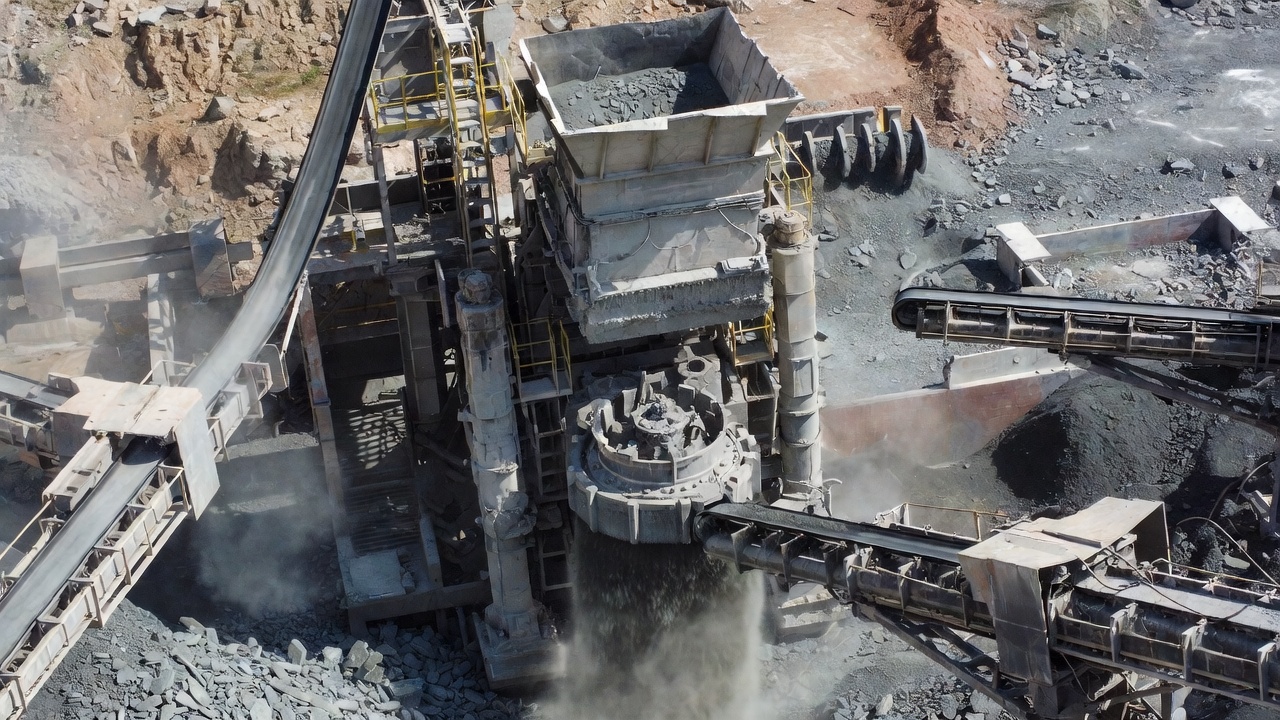
In a Vertical Shaft Impactor, the VSI Rotor Tips are subjected to the most punishing conditions in the entire crushing circuit. These components must accelerate feed material to velocities exceeding 60–90 meters per second. The resulting combination of high-velocity sliding abrasion and constant impingement makes them the highest-wear parts in the machine. Selecting the correct metallurgy is not just about hardness; it is a delicate balancing act between wear resistance and impact toughness.
The Metallurgy Trade-off: Hardness vs. Toughness
The fundamental challenge in material science for Long Life Crusher Liners is the inverse relationship between hardness (resistance to scratching/abrasion) and toughness (resistance to fracturing under impact). A material that is exceptionally hard, such as high-grade tungsten carbide or certain ceramics, tends to be more brittle. If a large piece of tramp metal or an oversized rock enters the rotor, these “hard” materials may shatter rather than wear down.
Material Comparison: 2026 Industry Standards
To maximize uptime, operators must choose materials tailored to their specific feed profile. The following table breaks down the leading options for High Chrome Crusher Liners and advanced composites.
| Material Type | Advantages | Disadvantages | Best Application |
| High Chrome | Excellent abrasion resistance; cost-effective for standard rock. | Low impact resistance; prone to cracking with large feed. | Limestone, Dolomite, and secondary crushing stages. |
| Manganese Steel | Exceptional toughness; “work-hardens” under high impact. | Poor resistance to pure sliding abrasion; high wear rate in sand. | Primary crushing; feeds with high clay or tramp metal risk. |
| Ceramic Crusher Parts | Extreme hardness; significantly outperforms chrome in pure abrasion. | Very brittle; sensitive to thermal shock and heavy impact. | Highly abrasive, dry materials with consistent, small feed size. |
| MMC Crusher Parts | Combines ceramic hardness with a metallic matrix for better toughness. | Higher initial investment cost. | Toughest abrasive challenges like Granite, Quartzite, and Basalt. |
The 2026 Trend: The Rise of MMC and Hybrid Solutions
As we move through 2026, the industry is shifting rapidly toward MMC Crusher Parts (Metal Matrix Composites). These “hybrid” components involve casting ceramic grains into a high-chrome or alloy steel base. This technology allows the part to maintain the extreme surface hardness of Ceramic Crusher Parts while utilizing the metal matrix to absorb the energy of high-speed impacts.
Furthermore, “intelligent wear monitoring” is becoming a standard integration. Modern VSI Rotor Tips are increasingly paired with sensors that track vibration signatures to predict tip thinning before a catastrophic failure occurs. For operators looking for Long Life Crusher Liners, the trend is clear: moving away from monolithic alloys and toward engineered composites provides the lowest total cost per ton by drastically extending the intervals between maintenance shutdowns.
Protecting the Core: Selection of VSI Anvils, Wear Plates, and Feed Tubes
While the rotor is the heart of the machine, the surrounding VSI Anvil Parts, VSI Wear Plates, and the VSI Feed Tube form the critical defense system that preserves the structural integrity of your crusher. Selecting the right High Performance Crusher Liners for these areas ensures that the energy of the impact is directed toward crushing rock, not destroying your equipment.
VSI Anvil Parts: The Impact Zone
In Rock-on-Anvil configurations, the VSI Anvil Parts are the primary target for high-velocity material. These must be replaced when the striking face shows significant concave wear or thinning, usually exceeding 50% of the original thickness. To combat the extreme force, High Chrome Crusher Liners are the industry standard, though MMC (Metal Matrix Composite) options are increasingly used in 2026 to provide a “self-sharpening” wear profile that maintains a consistent crushing angle throughout the part’s life.
VSI Wear Plates: Chamber and Rotor Protection
VSI Wear Plates act as the internal armor for the rotor and the crushing chamber. These Abrasion Resistant Liners prevent the high-speed stream of rock from eroding the structural steel of the rotor body. If these plates are allowed to wear through, the resulting turbulence can lead to imbalanced rotor vibrations and catastrophic bearing failure. Replacement should occur as soon as the fastening bolts become exposed or the plate thickness reaches its minimum safety limit.
VSI Feed Tube: Controlling the Flow
The VSI Feed Tube is responsible for centering the material flow into the eye of the rotor. A worn feed tube causes “off-center” loading, which accelerates wear on one side of the VSI Rotor Tips and causes premature mechanical fatigue. Utilizing Custom VSI Liners or ceramic-lined feed tubes can significantly extend the life of this component, ensuring a balanced feed and protecting the rotor’s internal distribution plates.
By synchronizing the replacement of these peripheral parts with your rotor maintenance, you stabilize the internal geometry of the crusher, resulting in a lower cost-per-ton and a significantly longer machine lifespan.
Navigating the Choice: OEM vs. Aftermarket VSI Parts
When sourcing VSI Crusher Spares, the decision between Original Equipment Manufacturer (OEM) and aftermarket suppliers is a balance of immediate cost versus long-term reliability. Understanding the nuances of each is essential for maintaining a low cost-per-ton.
Comparative Analysis
-
Price: Aftermarket VSI Parts are generally 20% to 40% more cost-effective than OEM alternatives. This makes them attractive for high-volume operations where wear parts are consumed rapidly.
-
Quality & Metallurgy: Historically, OEM VSI Parts held the advantage in metallurgical consistency. However, in 2026, premium aftermarket manufacturers have closed this gap. Advanced casting techniques and the integration of Metal Matrix Composites (MMC) are now widely available in the aftermarket, often matching or exceeding original specifications for abrasion resistance.
-
Compatibility: OEMs offer a “perfect fit” guarantee. Aftermarket parts require a reputable supplier with precise 3D-scanning capabilities to ensure that VSI Crusher Replacement components do not cause rotor imbalance or clearance issues.
-
Warranty: OEM parts typically come with comprehensive machine protection warranties. Aftermarket warranties usually cover only the part itself, meaning the operator assumes more risk regarding peripheral damage.
When to Choose Each
Choose OEM VSI Parts if your machine is still under a full factory warranty or if you are operating a new, highly specialized model where technical drawings are not yet standardized. The peace of mind and technical support are worth the premium.
Opt for Aftermarket VSI Parts for established, “workhorse” models where the metallurgy has been perfected by specialized foundries. If you have a trusted supplier with proven site-trial data, the aftermarket can provide superior “Long Life” solutions that the original manufacturer may not offer.
Ultimately, supplier credibility is the deciding factor. In 2026, a high-quality aftermarket partner doesn’t just sell parts; they provide wear-pattern analysis and customized alloy adjustments to suit your specific rock type.
Technical Checklist: Aligning VSI Crusher Parts with Machine Specifications
Achieving optimal performance in vertical shaft impactors requires more than just high-grade alloys; it requires precise mechanical synchronization. Utilizing the wrong VSI Crusher Parts—even those of high quality—can lead to catastrophic mechanical failure. Use this technical checklist to ensure total compatibility before your next installation.
Critical Compatibility Factors
-
Crusher Model & Serial Number: Always verify parts against the specific generation of your machine. Variations in VSI Crusher Spare Parts, such as internal tolerances or bolt-hole patterns, can occur even within the same model series.
-
Rotor Speed (RPM): VSI Rotor Parts are dynamically balanced for specific velocity ranges. Installing heavy-duty or oversized tips in a high-RPM environment can create centrifugal forces that exceed the rotor’s structural design.
-
Feed Size & Gradation: Ensure the rotor’s inlet diameter and internal vane spacing are matched to your maximum feed size. Over-sized feed causes “bridging” and uneven wear, while under-sized feed may bypass the crushing zones entirely.
-
VSI Bearings & Vibration: Monitor the condition of your VSI Bearings during any part change. An imbalanced rotor, caused by mismatched wear parts or uneven tip weights, will transmit harmonic vibrations that lead to premature bearing seizure and shaft fatigue.
The Risks of a Mismatch
A “near-fit” is a failure waiting to happen. Incompatible parts often result in extreme vibration, which can crack the main frame or destroy the drive motor. Furthermore, improper clearance between the rotor and the anvil ring can cause “material packing,” leading to overheating and thermal expansion of the internal liners. For consistent uptime, every component must be treated as a precision-engineered element of a high-speed system.
Strategic Financial Planning: Calculating Total Cost per Ton (TCT)
For modern quarry and mining operators, the purchase price of VSI Crusher Parts is a misleading metric. True operational efficiency is measured by the Total Cost per Ton (TCT)—a comprehensive calculation that reveals the hidden expenses of frequent maintenance and substandard components.
The TCT Formula
To find your actual crushing cost, apply the following equation:

Real-World Comparison
Consider two scenarios for a high-output aggregate plant:
-
Standard Alloy: A set of Crusher Wear Parts costs $2,000 and produces 20,000 tons. However, it requires 4 hours of downtime for replacement (valued at $1,000/hr in lost revenue).
-
Calculation:
-
-
Long Life Crusher Liners: Premium High Performance Crusher Liners cost $4,000 but produce 60,000 tons with the same 4-hour downtime.
-
Calculation:
-
The High Cost of “Cheap” Parts
As the data demonstrates, cheaper parts often prove more expensive long-term. Low-grade metallurgy leads to rapid erosion, forcing more frequent shutdowns. In a 24/7 mining environment, the labor and lost opportunity costs of a single unscheduled stoppage far outweigh the “savings” of a budget-tier component.
By investing in Long Life Crusher Liners, you are not just buying metal; you are buying production hours. Reducing the frequency of change-outs stabilizes your graduation curve and ensures that your equipment remains a profit center rather than a maintenance liability.
The Ultimate Pre-Purchase Checklist for VSI Crusher Parts
Before finalizing your order for VSI Crusher Spare Parts, ensure your procurement process meets these technical standards to guarantee maximum uptime and a lower cost-per-ton. Use this high-level checklist to vet your next VSI Crusher Replacement:
-
Verified Material Report: Request a certified metallurgical analysis (e.g., High Chrome, MMC, or Tungsten Carbide) to ensure the alloy matches your specific rock abrasiveness.
-
Historical Tonnage Data: Compare the quoted service life against your site’s previous performance data. A reputable supplier should provide estimated tons-per-set based on your feed material.
-
Dimensional Compatibility: Confirm that Aftermarket VSI Parts meet or exceed OEM VSI Parts tolerances. Check bolt-hole alignments and rotor balance specifications to prevent vibration issues.
-
Full Wear Kit Audit: Ensure the order includes all necessary peripherals—VSI Wear Plates, bolts, and seals—to avoid mid-maintenance delays due to missing hardware.
-
Supplier Certification: Verify the manufacturer’s ISO certifications and look for established case studies in quarrying or mining environments similar to yours.
Selecting the right partner is just as critical as selecting the right metal. Ensure your supplier offers technical support and wear-pattern analysis as part of their service package.
Conclusion: Maximize Your Throughput with Precision-Engineered VSI Parts
Selecting the right VSI Crusher Parts is a definitive factor in the profitability of your crushing circuit. As we have explored, the synergy between correct metallurgy—such as High Chrome or MMC—and precise model matching is what separates high-performance operations from those plagued by excessive downtime. By prioritizing Total Cost per Ton over initial purchase price, you ensure that your VSI Crusher Replacement components deliver consistent cubicity and extended service life.
At GUBT, we specialize in providing high-performance VSI Crusher Spares tailored to the most demanding mining and quarrying environments. Whether you require custom solutions for unique geological profiles or a detailed material analysis to solve premature wear issues, our technical team is ready to optimize your rotor performance.
Ready to reduce your operating costs and extend your maintenance intervals?
Visit GUBTcasting.com today to request a professional technical consultation. Let our experts help you match the perfect wear parts to your specific machine model and material conditions.
FAQ – VSI Crusher Parts Selection
To help you optimize your maintenance strategy and maximize production, we have compiled the most frequently asked questions regarding VSI Crusher Parts.
1. How often should VSI Rotor Tips be replaced?
The replacement frequency of VSI Rotor Tips depends heavily on the abrasiveness of your feed material and the rotor speed. In high-demand environments like silica sand production, tips may require inspection every 50–100 operating hours. A critical sign for replacement is when 95% of the tungsten carbide insert has worn away or if the backup tip becomes exposed. To maintain balance and prevent VSI Bearings damage, always replace tips in complete sets. Regular monitoring ensures you avoid catastrophic rotor body wear, which is significantly more expensive than a standard tip change.
2. What is the best material for VSI Crusher Spare Parts in high-abrasion applications?
For highly abrasive materials like granite, basalt, or quartzite, MMC Crusher Parts (Metal Matrix Composites) or premium Ceramic Crusher Parts are the industry standard in 2026. These materials combine extreme surface hardness with a resilient metallic matrix to absorb impact. While standard High Chrome Crusher Liners offer excellent value for limestone, they may fracture under the intense stress of harder ores. Matching the metallurgy to your specific Rock Quality Designation (RQD) is the most effective way to reduce your Total Cost per Ton.
3. Should I choose OEM or Aftermarket VSI Parts for my crusher?
The choice between OEM VSI Parts and Aftermarket VSI Parts typically hinges on the age of your machine and your budget. OEM parts offer guaranteed compatibility and are essential for maintaining factory warranties on new equipment. However, high-quality aftermarket providers like GUBT utilize advanced 3D scanning and superior metallurgy that often outperforms original specifications in specific local conditions. If your machine is out of warranty, premium aftermarket VSI Crusher Spares provide a significant cost advantage without sacrificing durability or fitment.
4. How can I optimize the lifespan of my VSI Wear Plates?
To extend the life of VSI Wear Plates and Abrasion Resistant Liners, focus on consistent feed distribution and moisture control. “Off-center” feeding causes uneven wear, forcing premature replacement of the entire set. Additionally, ensuring a proper “stone lining” in Rock-on-Rock configurations shields the internal plates from direct impact. Implementing a “wear pattern analysis” every month allows you to adjust the feed tube position or rotor speed, potentially increasing part life by 20–30% and reducing unscheduled downtime.