
Introduction – Why Proper Jaw Crusher Parts Matter
Jaw crushers play a pivotal role in mining, aggregate production, and quarrying operations, serving as the primary equipment for breaking down large rocks into smaller, manageable sizes. These machines are essential for processing materials like granite, basalt, and other hard ores, ensuring efficient workflow in heavy-duty environments. However, the performance, longevity, and safety of a jaw crusher heavily depend on the quality of its jaw crusher parts, jaw crusher spare parts, and jaw crusher replacement parts.
Using premium components not only enhances crushing efficiency but also minimizes downtime, reduces maintenance costs, and prevents accidents. Inferior parts can lead to frequent breakdowns, increased wear, and even hazardous failures. This ultimate guide will delve into selecting the right jaw crusher parts, maintaining them effectively, understanding materials like high manganese, proper installation techniques, and addressing common issues. Whether you’re managing a quarry or a mining site, these insights will help you optimize your equipment for peak performance.
Core Components of a Jaw Crusher
Understanding the core jaw crusher parts is crucial for effective maintenance and replacement. Key elements include jaw plate parts, high manganese jaw plates, cheek plate parts, and toggle plate parts, each serving specific functions in the crushing process.
- Jaw Plates: These are the primary wear components that directly contact the material being crushed. The fixed jaw plate remains stationary, while the movable jaw plate swings to apply compressive force. They endure high abrasion and impact, leading to gradual wear that requires timely replacement to maintain output quality.
- Cheek Plates: Positioned on the sides of the crusher frame, cheek plates protect the crusher body from wear caused by material flow. They experience lateral abrasion and should be inspected for cracks or excessive thinning.
- Toggle Plates: Acting as a safety device, toggle plates absorb overloads and protect the crusher from uncrushable materials. They can break under extreme pressure, preventing damage to more expensive components, and exhibit wear through bending or fracturing.
This diagram highlights how these parts interact, aiding in identifying wear patterns during inspections.
OEM vs Aftermarket Jaw Crusher Parts
When sourcing jaw crusher replacement parts, operators often face the choice between OEM jaw parts and aftermarket jaw parts. Each option has distinct advantages and drawbacks, influencing performance, lifespan, and cost.
OEM (Original Equipment Manufacturer) jaw parts are produced by the same company that built the crusher, ensuring perfect fit and compatibility. They typically offer superior quality, longer lifespan, and come with warranties, but at a higher price point. In contrast, aftermarket jaw parts are manufactured by third-party suppliers, often providing cost savings of 20-50% while maintaining comparable performance in many cases. However, quality can vary, and they might have shorter warranties or slight fit issues.
Performance-wise, OEM parts excel in high-demand scenarios like mining, where reliability is paramount, potentially lasting 10-20% longer than aftermarket alternatives. Aftermarket options shine in budget-conscious operations, such as smaller quarries, but require thorough vetting of suppliers.
For purchasing advice: Large-scale mining users should prioritize OEM for minimal downtime. Quarry and industrial users might opt for reputable aftermarket providers to balance cost and efficiency. Always check certifications and user reviews before deciding on replacement jaw parts. For high-quality aftermarket options tailored to your needs, visit EO’s product page at https://gubtcasting.com/ or contact us for a free consultation.
Long-Life Materials and Wear Resistance
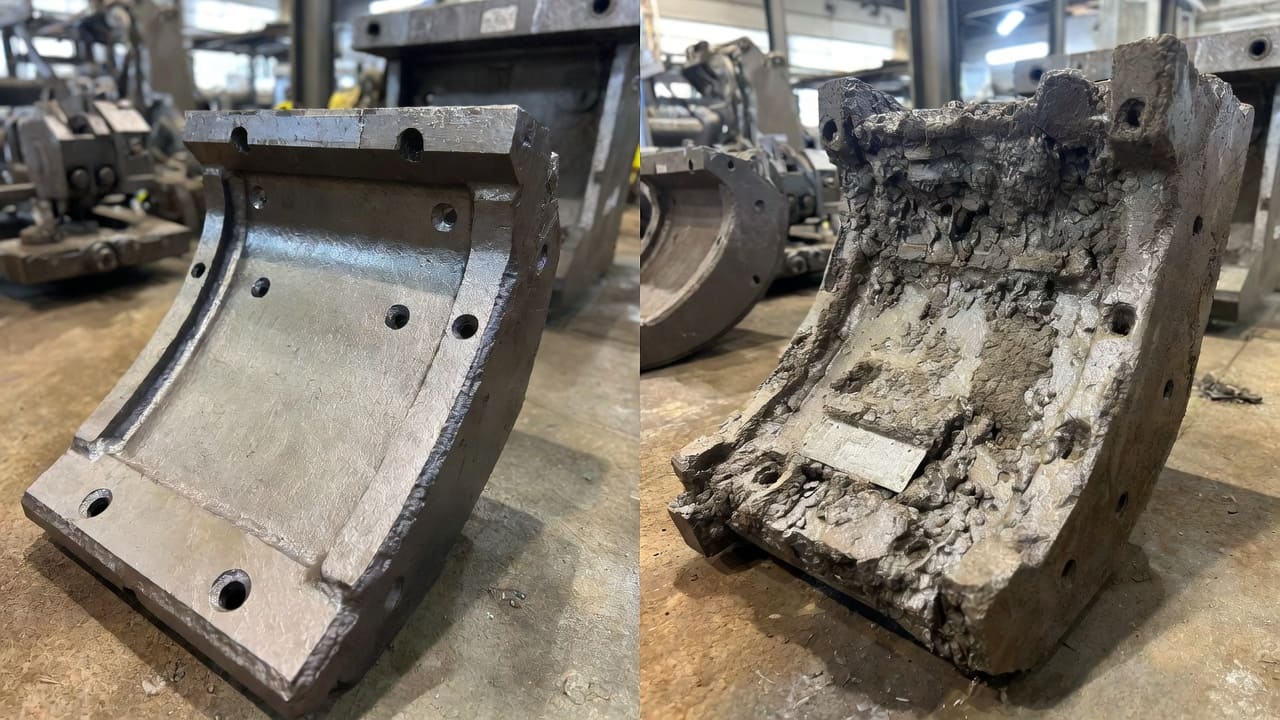
The choice of materials significantly impacts the durability and efficiency of jaw crusher liners and custom jaw plates. High manganese steel, particularly Mn18 crusher parts and Mn22 crusher parts, is widely used for its excellent wear resistance and toughness.
Manganese crusher parts work-harden under impact, increasing surface hardness while maintaining internal ductility. Mn18 offers a good balance of toughness and abrasion resistance, ideal for medium-hard materials, with a typical lifespan of 800-1,200 hours in standard conditions. Mn22, with higher manganese content, provides superior wear resistance for extremely abrasive applications, extending life by up to 30% but at a slightly higher cost and reduced initial toughness.
Custom jaw plates shine in specialized scenarios, such as crushing highly abrasive ores or unique shapes. For instance, in operations handling silica-rich rocks, customized Mn22 profiles can reduce wear rates by optimizing bite angles. Overall, selecting the right manganese grade ensures longer intervals between replacements, boosting productivity in demanding environments.
Supporting Components and Maintenance
Beyond core wear parts, supporting elements like jaw crusher bearings, jaw crusher springs, crusher wear parts, crusher maintenance parts, and crusher repair parts are vital for stable operation. Bearings facilitate smooth motion of the eccentric shaft, reducing friction and heat buildup. Springs maintain tension in the toggle system, absorbing shocks and ensuring consistent crushing force.
Regular maintenance is key: Inspect bearings for lubrication levels every 50-100 operating hours, using high-quality grease to prevent seizures. Springs should be checked for corrosion or fatigue cracks monthly, replacing them if elongation exceeds 5%.
Here’s a sample maintenance plan to extend the life of these components:
| Component | Inspection Frequency | Maintenance Action | Expected Lifespan |
|---|---|---|---|
| Jaw Crusher Bearings | Weekly | Lubricate and check for unusual noise/vibration | 2-5 years |
| Jaw Crusher Springs | Monthly | Inspect for cracks; clean and tension adjust | 1-3 years |
| Crusher Wear Parts (e.g., Liners) | Bi-weekly | Measure thickness; rotate if uneven wear | 6-12 months |
| Crusher Maintenance Parts (e.g., Seals) | Quarterly | Replace if damaged; ensure proper sealing | 1-2 years |
| Crusher Repair Parts (e.g., Bolts) | As needed | Tighten loose fittings; stock spares | Varies |
Following this schedule can reduce unplanned downtime by up to 40%, enhancing overall crusher reliability.
Choosing the Right Parts for Your Application
Selecting quarry crusher parts, aggregate crusher parts, mining crusher parts, granite crusher parts, basalt crusher parts, heavy duty crusher parts, or high impact crusher parts depends on material hardness, crushing type, and operational demands.
For soft to medium-hard materials like limestone in aggregate plants, standard Mn18 jaw plates suffice, offering cost-effective performance. In mining with granite or basalt—known for high abrasiveness—opt for Mn22 or custom profiles to handle Mohs hardness above 6. Heavy duty crusher parts with reinforced designs are ideal for high-impact applications, such as concrete recycling, where shock loads are frequent.
Differentiate by application: Quarries benefit from versatile, quick-replace parts; mines require ultra-durable options for continuous operation. Always match parts to feed size and throughput—e.g., wider jaw plates for larger aggregates—to minimize wear and maximize efficiency.
Installation and Safety Tips
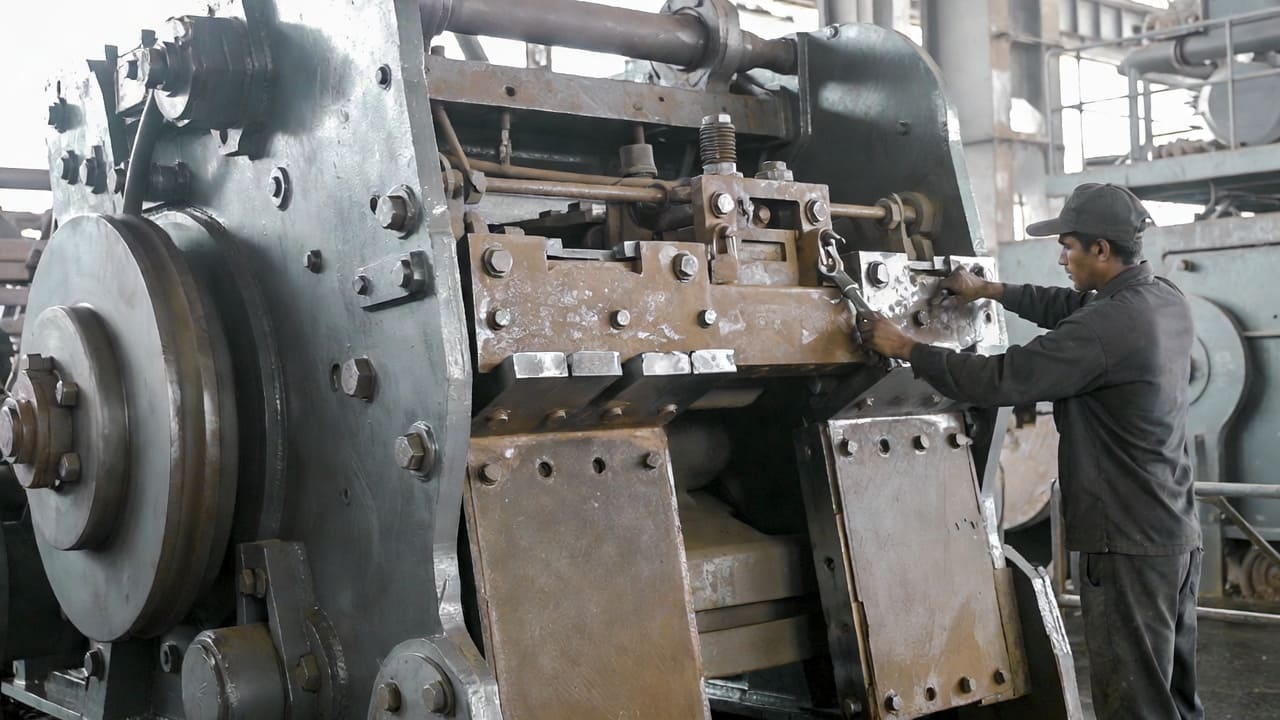
Proper installation of crusher repair parts, crusher mechanical parts, and custom crusher parts is essential to avoid operational issues. Start by aligning the eccentric shaft precisely, then secure jaw plates with even torque on bolts to prevent uneven wear.
For toggle plates and tie rods, ensure correct tensioning to maintain crusher geometry. Use professional tools like torque wrenches and lifting equipment for heavy components. Always wear PPE (Personal Protective Equipment), including gloves, helmets, and safety glasses, and follow lockout/tagout procedures to de-energize the machine.
Common pitfalls include overtightening fasteners, which can cause stress fractures—aim for manufacturer-specified torque values. Professional installation reduces risks and ensures optimal performance from the outset.
Frequently Asked Questions (FAQ)
Here are answers to common queries about replacement jaw parts, high manganese jaw plates, custom jaw plates, and crusher wear parts:
- How often should jaw crusher parts be replaced? Replacement frequency varies by material and usage, but jaw plates typically last 500-1,500 hours. Monitor wear weekly and replace when thickness reduces by 50% to avoid efficiency drops.
- What is the difference between Mn18 and Mn22 jaw plates? Mn18 provides balanced toughness for general use, while Mn22 offers higher abrasion resistance for extremely hard materials, though it’s slightly more brittle initially.
- Are aftermarket jaw parts as reliable as OEM? High-quality aftermarket parts can match OEM reliability at lower costs, but always choose certified suppliers. OEM excels in precision fit for critical applications.
- How to extend the life of high manganese jaw plates? Rotate plates periodically, maintain proper feed size, and ensure even distribution of material. Regular cleaning and avoiding overloads can add 20-30% to lifespan.
- Can custom jaw plates improve crusher performance? Yes, custom designs tailored to specific ores or shapes optimize crushing angles, reducing energy use and wear by up to 25% in specialized operations.
- How to maintain bearings and toggle plates in a jaw crusher? Lubricate bearings regularly and inspect toggle plates for deformation. Replace if bent, and keep the area free of debris to prevent premature failure.
Conclusion – Maximizing Performance with Quality Jaw Crusher Parts
In summary, investing in high-quality jaw crusher spare parts, jaw crusher replacement parts, OEM jaw parts, or aftermarket jaw parts is crucial for sustaining performance, extending equipment life, and ensuring safety. By prioritizing regular maintenance, selecting materials suited to your application, and following best practices for installation, you can achieve an optimal balance of cost, durability, and efficiency.
Remember, the right parts not only minimize downtime but also enhance overall productivity in mining, quarrying, or aggregate settings. For tailored solutions, premium aftermarket parts, or expert inquiries, explore EO’s extensive product range at https://gubtcasting.com/products/ or contact our team today for personalized advice and competitive quotes on optimizing your jaw crusher setup.