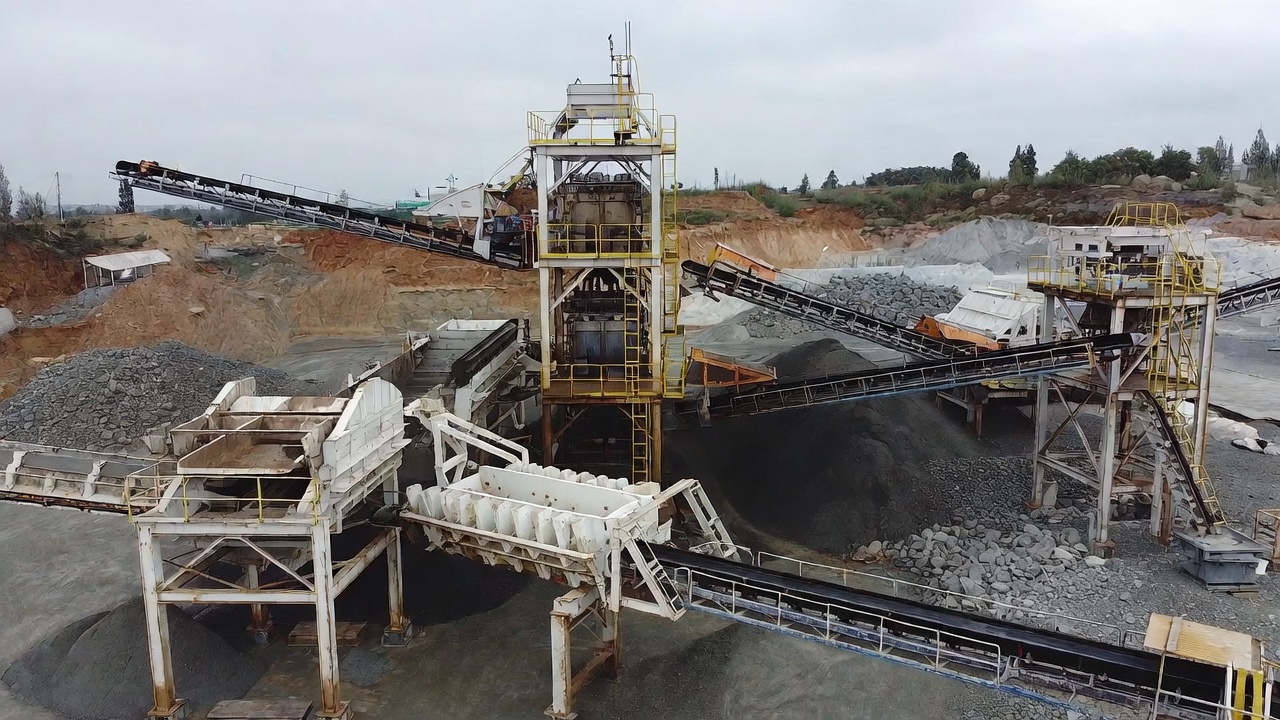
 While primary crushers are often the heart of a plant, Screening Parts and Feeder Parts are the critical regulators of overall throughput. Although they are not the primary machinery, these components have the single largest impact on system efficiency. They dictate the “rhythm” of the operation by ensuring steady material flow and precise sizing, which are essential for maintaining a balanced crushing circuit.
Choosing the wrong Vibrating Screen Parts can quickly lead to devastating operational bottlenecks. Incompatible or low-quality Crusher Spare Parts often result in a significant drop in screening efficiency and chronic material clogging. These issues inevitably lead to frequent, unscheduled equipment downtime, which increases labor costs and reduces the total output of the entire mining operation.
This guide provides the technical framework needed to help engineers make informed decisions when sourcing Crusher Replacement Parts. By analyzing specific working conditions, material abrasiveness, and required hourly capacity, you can optimize your selection for maximum durability. Making the right choice is a strategic investment in streamlining your quarry operations for long-term, high-efficiency success.
While primary crushers are often the heart of a plant, Screening Parts and Feeder Parts are the critical regulators of overall throughput. Although they are not the primary machinery, these components have the single largest impact on system efficiency. They dictate the “rhythm” of the operation by ensuring steady material flow and precise sizing, which are essential for maintaining a balanced crushing circuit.
Choosing the wrong Vibrating Screen Parts can quickly lead to devastating operational bottlenecks. Incompatible or low-quality Crusher Spare Parts often result in a significant drop in screening efficiency and chronic material clogging. These issues inevitably lead to frequent, unscheduled equipment downtime, which increases labor costs and reduces the total output of the entire mining operation.
This guide provides the technical framework needed to help engineers make informed decisions when sourcing Crusher Replacement Parts. By analyzing specific working conditions, material abrasiveness, and required hourly capacity, you can optimize your selection for maximum durability. Making the right choice is a strategic investment in streamlining your quarry operations for long-term, high-efficiency success.
Understanding Screening & Feeder Systems in Crushing Plants
 The mechanical integrity of a crushing plant relies heavily on the synchronized performance of its auxiliary systems. While the crusher handles the heavy lifting of reduction, the efficiency of the entire circuit is dictated by how effectively material is moved and separated.
The Mechanics of Stratification
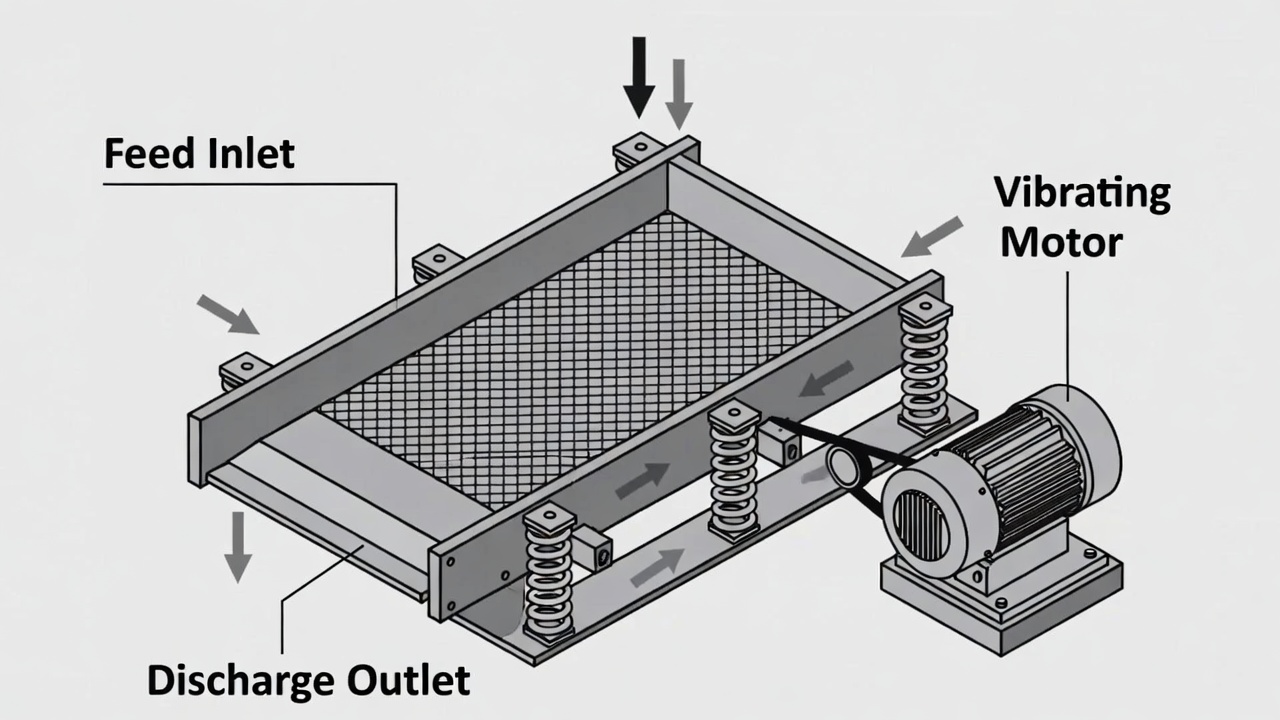
A vibrating screen operates on the fundamental principle of mechanical agitation to achieve material stratification. By utilizing high-quality Vibrating Screen Parts, such as eccentric weights and specialized drive systems, the machine creates a specific frequency that forces smaller particles to the bottom of the material bed. This allows them to pass through the Screening Parts (the mesh) while larger rocks are carried forward. High screening efficiency is only possible when the vibration is consistent, ensuring that “near-size” particles do not blind the screen and halt production.The Role of Precision Feeding
Upstream from the screen, the feeder serves as the critical gatekeeper of the operation. By employing robust Feeder Parts, operators can ensure a regulated, volumetric flow of raw ore into the crushing chamber. This steady pace is essential for protecting Mining Crusher Parts from “slug” loading—sudden surges of material that can cause catastrophic mechanical failure or excessive liner wear. A well-maintained feeder cushions the impact of raw material and distributes it evenly, which is the first line of defense in extending equipment life.System Synergy: The Integrated Circuit
The most productive plants treat the feeder, crusher, and screen as a single, breathing organism. If the feeder is too slow, the crusher runs empty and wastes energy; if the screen is worn, the crusher becomes choked with recirculating material that should have already been cleared. Key components that maintain this balance include:- Screen mesh: The primary surface for precise sizing.
- Vibrating motor: The “heart” providing mechanical energy.
- Springs: Essential for absorbing shock and isolating vibrations.
- Feeder pan: The heavy-duty trough designed to withstand constant abrasion.
- Drive system: The gears and belts that synchronize movement.
Key Types of Screening Parts and Their Functions
In a high-intensity mining environment, the durability of your individual Screening Parts determines whether your plant meets its daily production targets or falls victim to expensive maintenance cycles. Each component plays a specific mechanical role in the separation process, ensuring that final products meet strict size specifications.
Screen Mesh / Screen Panels: Precision Sizing Control
The screen mesh is the most critical interface between the machine and the raw material. As the primary component among Vibrating Screen Parts, the mesh or panel directly dictates the final grain size of the aggregate. Beyond simple separation, the design of these panels—whether made of high-tensile woven wire or polyurethane—directly impacts screening efficiency. High-quality panels prevent “blinding” (where moisture causes particles to stick) and “pegging” (where near-sized rocks get stuck in the openings), ensuring a consistent flow of correctly sized material.
Vibrating Motors / Exciters: The Power Source
The vibrating motor or exciter is the mechanical heart of the system. These parts provide the centrifugal force required to create high-frequency movement, which is essential for material stratification. The quality of these Vibrating Screen Parts determines the throw and G-force applied to the material bed. A properly calibrated exciter ensures that material is tossed high enough to allow fines to drop to the bottom layer, maximizing the hourly capacity of the screening deck without overloading the drive system.
Springs and Dampers: Structural Longevity
While the motor generates energy, the springs and dampers are responsible for managing it. These components isolate the high-frequency vibrations from the main support structure of the plant. By absorbing the massive kinetic energy generated during operation, they prevent structural fatigue and cracking in the machine frame. Maintaining these parts is vital for extending the overall equipment life and ensuring that the vibration remains focused on the material rather than the floor of the facility.
Side Plates and Abrasion Resistant Liners: Impact Protection
The internal surfaces of a screening machine are subjected to constant, high-velocity impact from abrasive ores. To combat this, Abrasion Resistant Liners are installed on the side plates and discharge chutes. These liners act as a sacrificial barrier, protecting the primary structural steel from thinning and eventual failure. Utilizing premium, wear-resistant materials for these liners significantly reduces the frequency of “patch-up” welding jobs and keeps the machine in a state of high operational readiness.
Key Types of Feeder Parts and Their Functions
In any mining or quarrying operation, the feeder serves as the primary regulator for the entire crushing circuit. While the crusher is often viewed as the “star” of the show, the feeder is actually the first line of defense in the plant’s protection system. By managing material flow and absorbing the initial shock of raw ore, high-quality Feeder Parts prevent catastrophic mechanical failures downstream.
The Feeder Pan: Handling the Heavy Impact
The feeder pan is the high-impact surface that receives the raw, uncrushed material directly from the hopper. Because it is subjected to constant pounding from massive rocks, it must be engineered for extreme wear resistance. Many operators opt for Custom Feeder Parts in this area, utilizing specialized alloys that can withstand both heavy impact and sliding abrasion. A well-designed pan ensures that material moves smoothly toward the crusher without sticking or causing structural fatigue to the machine frame.
Drive System: Precision Flow Control
The drive system, consisting of the motor and gearbox, acts as the “brain” of the feeding process. It controls the frequency and stroke of the machine, which in turn determines the feed speed. Reliable Aftermarket Feeder Parts for the drive system are essential for maintaining a consistent volumetric flow. If the drive system is imprecise, the crusher may experience “slug” loading or run empty, both of which decrease efficiency and increase energy consumption.
Grizzly Bars: The Pre-Screening Experts
Grizzly bars are specialized Feeder Parts designed to perform a vital pre-screening task. By allowing smaller rocks and “fines” to bypass the crusher and drop directly onto the discharge conveyor, they reduce the workload on the crushing chamber. This not only increases the total capacity of the plant but also prevents the crusher from wasting energy on material that is already at the desired size.
Wear Liners: Sacrificial Protection
Wear liners are the sacrificial components that shield the primary structure of the feeder from erosion. High-performance Aftermarket Feeder Parts like these are designed to be easily replaceable, minimizing downtime during maintenance intervals. By using premium liners, you significantly extend the lifespan of the feeder pan and side plates, ensuring that the core of your machine remains intact despite years of processing abrasive materials.
Material Selection for Screening & Feeder Parts
The longevity and operational uptime of a crushing plant are largely determined by the physical properties of the materials used in its wear components. In the harsh environment of a mine or quarry, choosing the right alloy or polymer is not just a maintenance decision; it is a financial strategy. To make an informed choice, engineers must first distinguish between the two primary forces of destruction: impact and abrasion.
Impact vs. Abrasion: The Mechanical Struggle
Impact occurs when large, heavy rocks fall from a height onto a surface, delivering massive kinetic energy that can crack or deform standard steel. Abrasion, conversely, is the constant grinding and rubbing of material as it slides across a surface, slowly “filing” away the metal. While Heavy Duty Crusher Parts must often handle both, the dominant force dictates the material selection. For example, a feeder receiving raw ore from a haul truck requires high impact resistance, whereas a screen deck handling fine sand primarily needs high abrasion resistance.
Engineering for Durability: Common Materials
To combat these forces, High Performance Crusher Liners and screening components are manufactured from several specialized materials:
-
High Manganese Steel (Hadfield Steel): This is the industry standard for high-impact applications. Manganese steel has a unique “work-hardening” property; the more it is hammered by heavy rocks, the harder its surface becomes, while its core remains tough and ductile to prevent snapping.
-
Alloy Steel (High Chrome): For environments where sliding abrasion is the primary concern and impact is minimal, high-chrome alloys are preferred. These materials are incredibly hard and provide an exceptional wear life, though they can be brittle if subjected to sudden, heavy shocks.
-
Rubber and Polyurethane: These are increasingly popular for Abrasion Resistant Liners in fine screening applications. Their elasticity allows them to absorb energy and “bounce back,” significantly reducing noise levels and preventing material buildup (blinding) in wet conditions.
Material Comparison Table
The following table provides a quick reference for matching material properties to your specific operational needs:
| Material | Wear Resistance | Impact Resistance | Primary Application |
| Manganese Steel | Medium | High | Primary feeders and heavy impact zones |
| High Chrome Alloy | High | Medium | Chutes and liners for highly abrasive material |
| Rubber / Polyurethane | Medium | Low | Fine screening and noise-reduction zones |