 To be honest, I’ve seen way too many people get blinded by low prices and flashy marketing when choosing a crusher manufacturer. By the time the machine hits the mine site and starts breaking down every other day, they realize that the small amount saved on procurement is quickly swallowed up by the massive costs of downtime.
For engineers and procurement managers in 2026, identifying a dependable Cone Crusher Manufacturer is no longer just about the size of their office—it’s about their technical depth and supply chain resilience.
To be honest, I’ve seen way too many people get blinded by low prices and flashy marketing when choosing a crusher manufacturer. By the time the machine hits the mine site and starts breaking down every other day, they realize that the small amount saved on procurement is quickly swallowed up by the massive costs of downtime.
For engineers and procurement managers in 2026, identifying a dependable Cone Crusher Manufacturer is no longer just about the size of their office—it’s about their technical depth and supply chain resilience.
How to Screen Top Cone Crusher Suppliers in 2026
 When facing hundreds of options for a Cone Crusher Supplier, you can filter out the “noise” using these four critical dimensions:
1. Inspect the Actual Manufacturing Process
A true Cone Crusher Factory must have a complete production chain.- Casting Quality: The mainframe and adjustment ring require extreme strength. Ask if the manufacturer has their own foundry or works with top-tier casting partners.
- Precision Machining: Look at their CNC equipment. The clearance between the moving cone and the main shaft is measured in millimeters; machining precision directly determines heat generation and service life under heavy loads.
2. Levels of Intelligence and Automation
In 2026, if a Cone Crusher Company is still pushing a purely manual machine, it’s time to move on.- Smart Protection: Check for hydraulic tramp release and automated cavity clearing functions.
- Remote Monitoring: Reliable manufacturers now integrate IoT (Internet of Things) modules, allowing you to monitor CSS (Closed Side Setting), oil temperature, and pressure in real-time via smartphone.
3. Global Track Record and Delivery History
Don’t just listen to what they say—look at what they’ve done.- Request export records or case studies from large-scale mining operations from the last two years.
- Pro Tip: If a supplier doesn’t have a mature spare parts warehouse in your region (or a nearby hub), your maintenance costs will eventually skyrocket.
But then again, choosing the right parts is even more important
Even if you pick the best Cone Crusher Manufacturer in the world, the machine’s performance will suffer if you choose the wrong wear parts.Why Parts are the “Soul” of the Crusher
The core competitiveness of a cone crusher isn’t the shell; it’s the “wear parts”—specifically the Mantle and the Concave.- Material Grades: Standard wear parts in 2026 usually use high-manganese steel (like Mn18Cr2 or Mn22Cr2). If you are processing high-hardness materials, ensure the supplier adds special alloys like Molybdenum or Vanadium to enhance toughness.
- Compatibility: While OEM parts are great, many specialized Cone Crusher Parts Factories now produce third-party liners that match big-brand durability at a much more competitive price point.
Maintenance Essentials: The “Three Looks, One Listen” Rule
- Look at the Oil: If the lube oil turns black or shows metal flakes, the internal bronze bushings are likely wearing out.
- Look at the Vibration: Unusual shaking often means an unbalanced mantle or loose foundation bolts.
- Look at the Discharge: If the flakes get elongated or fines increase, your liners are worn out and need replacing.
- Listen to the Sound: An experienced operator can hear if the countershaft is making abnormal noises before a failure occurs.
Summary: The 2026 Procurement Logic
When comparing a Cone Crusher Manufacturer, use this checklist:| Criteria | High-Quality Factory | Trading Company |
| Technical Support | Custom cavity optimization | Standard models only |
| Parts Supply | In-stock, traceable materials | Sourced externally, unstable lead times |
| After-Sales | On-site installation guidance | Manuals and videos only |
| Intelligence | Cloud data integration | Basic or no digital features |
What is a Cone Crusher and Why Choose the Right Manufacturer?
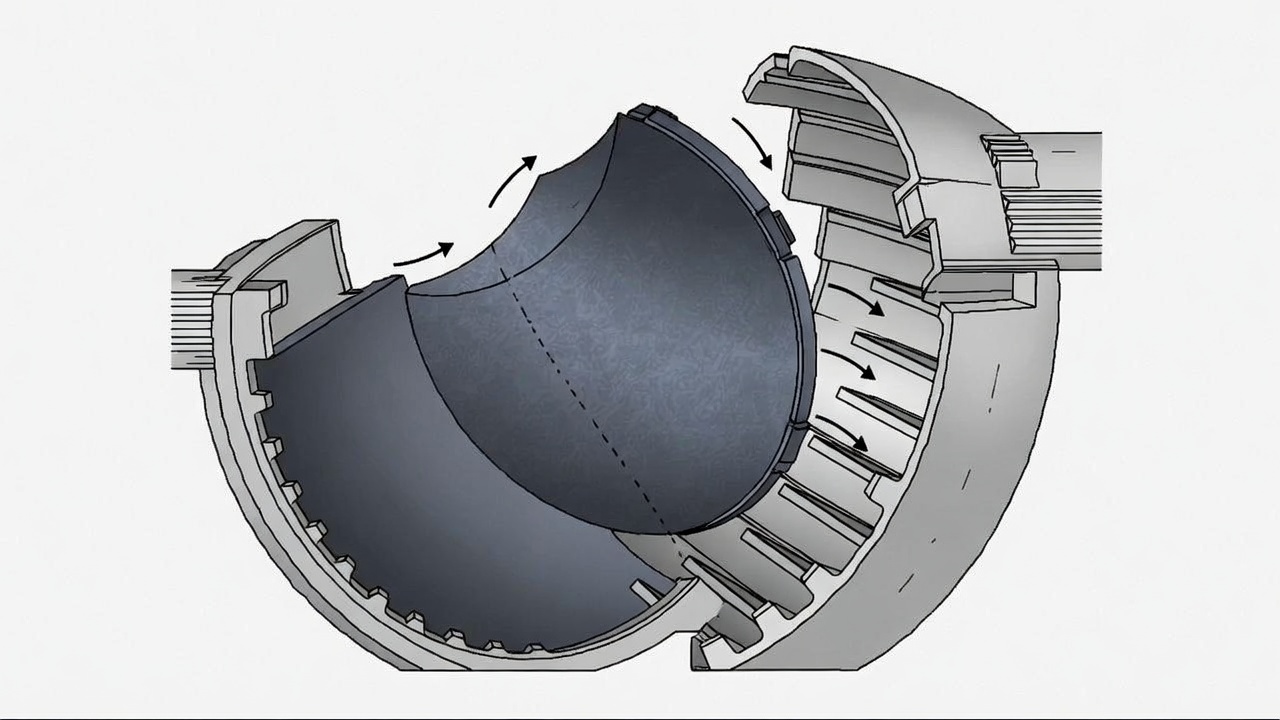
In the world of heavy-duty material processing, a cone crusher is essentially the “marathon runner” of the crushing circuit. Unlike jaw crushers that handle the initial big chunks, a cone crusher is designed for the secondary and tertiary stages. It works by squeezing rocks between an eccentrically gyrating spindle (the mantle) and a fixed bowl (the concave), producing a finely crushed, cubical product. Whether you are involved in large-scale mining, aggregate production for roads, or even concrete recycling, the cone crusher is the machine that determines your final product quality and throughput.Don’t Be Fooled by a Shiny Exterior
I’ve seen some manufacturers’ machines wear out shortly after installation—honestly, don’t be fooled by a fresh coat of paint and a low price tag. I’ve encountered operators who thought they scored a bargain, only to find the internal bushings failing or the mainframe cracking within months because the metallurgy was substandard. In this industry, “cheap” often translates to “expensive downtime.”The “Manufacturer” Difference
But, choosing the right Cone Crusher Manufacturer changes the game entirely. It isn’t just about buying a piece of heavy iron; it’s about investing in a partnership. A reputable Cone Crusher Company provides more than just the machine:- Engineering Precision: High-quality manufacturers use advanced alloys for the mantle and concave, ensuring they can withstand the “punishment” of hard ores like granite or basalt.
- Operational Longevity: A well-built machine from a trusted factory can last decades with proper maintenance, whereas a “no-name” alternative might be heading for the scrap heap in three years.
- Reliable After-Sales: This is where the pivot happens. When a sensor fails or a liner needs replacing at 2:00 AM, you need a company that actually answers the phone and has parts in stock.
Types of Cone Crusher Manufacturers and Suppliers
When you start sourcing, you’ll quickly realize the market is split into two distinct camps. Understanding the difference between a massive Cone Crusher Factory and a specialized Cone Crusher Supplier is the key to balancing your budget with your uptime requirements.1. The Original Equipment Manufacturer (OEM)
The OEM is the “birthplace” of the machine. These are the big-name brands that design, cast, and assemble the entire unit. When you buy an OEM Cone Spare, you are buying the exact metallurgy and tolerances specified by the original engineers.2. Aftermarket Parts Specialists
An aftermarket Cone Crusher Supplier focuses specifically on Replacement Parts. They don’t necessarily build the whole machine, but they specialize in casting the Aftermarket Cone Parts—like mantles and concaves—that fit into the major brands’ frames.The Reality Check: OEM vs. Aftermarket
The actual situation on the ground is often a trade-off between the “sticker price” and the “hourly cost.”Expert Insight: In my experience, while OEM Cone Spares might be a bit more expensive upfront, they often have a significantly longer service life. I’ve seen operations try to save 20% by using “budget” aftermarket liners, only to find they wear out 40% faster. That’s not a saving; that’s an extra maintenance shutdown you didn’t need.However, the aftermarket has caught up. In 2026, premium aftermarket suppliers use high-tech 3D scanning to ensure their Cone Crusher Parts fit perfectly, often offering “Heavy Duty” versions of standard parts that the OEM doesn’t provide.
Why Parts Availability is the Ultimate “Dealbreaker”
Whether you choose a factory or a third-party supplier, your priority should be their stock of Spare Parts. A machine is only as good as the parts that keep it running.- Inventory Depth: Does the supplier keep common Replacement Parts (seals, bushings, filters) in a local warehouse?
- Logistics: Can they get a 2-ton mantle to your site in 48 hours, or is it “coming from overseas”?
- Metallurgical Traceability: Can they provide a lab report for the manganese content in their Cone Crusher Parts?
Comparison Table: Sourcing Your Components
| Feature | OEM Factory Parts | Premium Aftermarket Parts |
| Fit & Tolerance | Guaranteed 100% | High (95-99%) |
| Initial Cost | Premium Price | 15–30% Lower |
| Wear Life | Optimized & Consistent | Variable (Can be higher or lower) |
| Warranty | Covers the entire machine | Covers only the specific part |
| Lead Time | Can be long for older models | Often faster for common wear items |
Key Cone Crusher Parts You Should Know
To keep your operations running smoothly, you need to look beyond the heavy steel frame and focus on the components that actually do the “heavy lifting.” Understanding your Cone Crusher Parts is the difference between a high-yield month and a maintenance nightmare.
The Heart of the Crush: Mantle and Concave
Think of the Cone Crusher Mantle and the Cone Crusher Concave as the teeth of your machine. The mantle is the moving part that gyrates, while the concave (or bowl liner) remains stationary. Together, they create the crushing chamber.
If these two aren’t synchronized in terms of metallurgy and profile, you’re essentially trying to grind granite with plastic. Choosing High Performance Crusher Liners made from high-manganese steel is standard, but in 2026, the best operators are looking for customized alloy compositions that match the specific “abrasiveness” of their ore.
Why Quality Liners Dictate Your Profit
“Honestly, if your liners are poor quality, the efficiency of the whole machine drops by half.” It’s not just about the machine stopping; it’s about the quality of the output. When Cone Crusher Liners wear down unevenly, the “Closed Side Setting” (CSS) becomes inconsistent. You’ll start seeing “slabs” and oversized rocks in your final product, which means more material has to be recirculated, wasting time and energy.
Investing in Long Life Crusher Liners might cost more on the invoice, but when you calculate the “cost per ton,” they almost always come out cheaper because they reduce the frequency of hazardous and time-consuming change-outs.
Essential Spare Parts Checklist
Beyond the big liners, there are several Cone Crusher Spare Parts that you should always have in your on-site inventory. These “small” items are often the ones that cause the most unexpected downtime.
-
Bushings and Bearings: These handle the massive mechanical force of the crushing action. If a bronze bushing seizes due to poor lubrication, it can damage the main shaft.
-
Seal Kits: Dust is the enemy of any Cone Crusher Company. High-quality U-seals and T-seals keep the “fines” out of your lubrication system.
-
Adjustment Bolts and Springs: These ensure your settings remain tight even under the constant vibration of a 24/7 quarry operation.
Wear Parts Comparison: Standard vs. High-Performance
Whether you are sourcing for a fleet or a single unit, always ask your Cone Crusher Supplier for the specific “wear data” of their parts. A reputable factory should be able to show you how their Cone Crusher Spare Parts perform in real-world conditions similar to your own site.
Quarry, Mining, and Aggregate Applications: Choosing the Right Parts for the Job
Not all crushing environments are created equal. Depending on whether you’re extracting gold in a deep-pit mine or producing gravel for a local highway project, your requirements for a Cone Crusher Supplier will shift dramatically.
Mining: The “Extreme” Test
Mining involves some of the toughest, most abrasive materials on Earth—think iron ore, copper, or gold quartz. I’ve seen mining clients buy general-purpose models or standard liners, and honestly, they just couldn’t handle the hard rock. Within a few hundred hours, the Mining Crusher Parts were worn down to the nub, leading to emergency shutdowns and lost revenue.
In this sector, “heavy-duty” isn’t just a marketing buzzword; it’s a survival requirement. You need a manufacturer that understands high-impact stresses and offers specialized alloys.
Quarrying and Aggregates: It’s All About the Shape
In a quarry or concrete recycling plant, your main KPI isn’t just “breaking stuff”—it’s producing a specific shape. If you’re supplying stone for high-speed rail or skyscrapers, your Quarry Crusher Parts and Aggregate Crusher Parts must maintain a precise cavity profile to ensure “cubicity” (avoiding those annoying flaky or elongated rocks).
-
For Concrete Recycling: Look for Aggregate Crusher Parts that can handle the occasional piece of rebar without shattering.
-
For Road Base: Focus on high-throughput liners that can process massive volumes of limestone or basalt quickly.
The “Custom” Advantage
But then again, while Custom Crusher Parts might be pricier upfront, they save you so much hassle in the long run. Most standard liners are designed for an “average” rock, but your site isn’t average.
By opting for Custom Crusher Parts, you can:
-
Adjust the Manganese Ratio: More manganese for toughness, or more chromium for hardness, depending on your specific ore.
-
Modify the Cavity Profile: Change the “nip angle” to better grab the specific size of your feed material.
-
Reinforce High-Wear Zones: Add extra thickness only where the most crushing actually happens.
| Application | Material Hardness | Key Focus for Parts | Recommended Part Type |
| Mining | Very High (Granite, Iron Ore) | Impact Resistance | Mining Crusher Parts (Heavy Duty) |
| Quarrying | Medium to High (Limestone, Basalt) | Product Shape/Cubicity | Quarry Crusher Parts (Standard/Custom) |
| Aggregates | Low to Medium (Gravel, Concrete) | High Throughput | Aggregate Crusher Parts (High Capacity) |
Choosing the right components based on your specific application is what separates a profitable operation from one that is constantly fighting equipment failure.
How to Evaluate a Cone Crusher Manufacturer
Choosing a Cone Crusher Manufacturer is a long-term commitment. You aren’t just buying a machine; you’re choosing who you’ll be calling at 3:00 AM when a primary line goes down. In 2026, with so many options globally, you need a rigorous framework to separate the “marketing shells” from the actual heavy-hitters.
Don’t Just Trust the Website
“Honestly, don’t just look at the shiny renders on the official website—go check out actual factory footage and real-world customer cases.” I’ve seen far too many “empty promises” from companies that talk a big game about their technology but actually outsource their casting to the lowest bidder. A true Cone Crusher Factory should be transparent about its production line.
Four Pillars of a Reliable Manufacturer
When vetting a Cone Crusher Company, use these four criteria as your “litmus test”:
1. Production Capacity and Infrastructure
Does the factory have the heavy-duty overhead cranes and CNC boring machines required to handle a 20-ton mainframe?
-
The Test: Ask for a live video walkthrough of their assembly floor. A legitimate manufacturer will have multiple units in various stages of completion.
2. Material Science and Metallurgy
The secret sauce of any crusher is the metal.
-
The Test: Inquire about their heat-treatment process for Custom Crusher Parts. If they can’t explain their quenching and tempering cycle, they probably aren’t controlling their own quality.
3. Engineering and Technical Support
A top-tier Cone Crusher Manufacturer doesn’t just ship a crate; they provide a solution.
-
The Test: Ask if they can perform a “crushing circuit analysis” based on your specific rock type. If they just point to a catalog, they aren’t looking out for your efficiency.
4. After-Sales and Installation Support
Installation is where most “budget” machines fail.
-
The Test: Confirm if they provide on-site commissioning or at least real-time remote technical guidance. A reliable partner stays with you until the first ton of rock is successfully crushed.
Procurement Red Flags vs. Green Flags
| Feature | Red Flag (Avoid) | Green Flag (Proceed) |
| Response Time | Takes days to answer technical specs | Detailed quote and drawings within 24h |
| Material Origin | “Standard Steel” (Vague) | Certified Mn18Cr2 or higher with lab reports |
| Customization | “One size fits all” | Capability to design Custom Crusher Parts |
| Spare Parts | “We can order them for you” | “We have $1M+ of stock ready to ship” |
Final Buying Advice
When you’re finalizing the contract, pay close attention to the lead times and shipping terms. In 2026, logistics can be a bottleneck. Ensure your manufacturer has a proven track record of meeting delivery deadlines for both the machine and the ongoing Custom Crusher Parts you’ll need later.
Maintenance and Longevity Tips
Buying the best machine is only half the battle; the real margins are made in how you treat it. For an engineer or procurement manager, maintenance isn’t a “chore”—it’s a strategy to protect your ROI. If you ignore the small signs, those high-quality Cone Crusher Parts will turn into scrap metal faster than you think.
Don’t Let Your Investment Grind to a Halt
“Honestly, I’ve seen clients completely ignore their maintenance schedules, and then they’re shocked when a set of liners is totaled in six months.” It’s a painful conversation to have. When you skip a check-up, you aren’t just wearing down a part; you’re risking the structural integrity of the entire crusher.
Pro-Active Strategies for Maximum Uptime
To ensure you get the most out of your Cone Crusher Replacement Parts, follow these four “Golden Rules” of maintenance:
1. Monitor Your Liner Wear Daily
Don’t wait for the machine to stop crushing efficiently. Check the thickness of your Cone Crusher Mantle and Concave regularly.
-
The Tip: Use a “wear gauge” to track how much metal is left. If you let them wear too thin, they can crack or even “spin” on the seat, causing massive damage to the head or bowl.
2. Lubrication is the Lifeblood
A cone crusher operates under immense pressure. If the lubrication fails, the bronze bushings will seize in seconds.
-
The Tip: Check your oil filters for bronze flakes or dark discoloration. This is the “early warning system” for your internal Cone Crusher Parts. In 2026, automated lubrication systems are a must-have, but they still need manual inspection.
3. Standardize Your Change-Outs
Don’t “squeeze” an extra week out of a worn set. Using High Performance Crusher Liners allows for longer intervals, but once they hit their limit, the efficiency drop-off is steep.
-
The Tip: Schedule your replacement during planned downtime. Changing Cone Crusher Replacement Parts on your own terms is always cheaper than an emergency repair at midnight.
4. Feed Control is King
Uneven feeding (feeding from one side) causes “non-concentric” wear. This puts a massive lateral strain on the machine.
-
The Tip: Ensure your feed is centered and “choke-fed” (keeping the cavity full). This ensures that your Long Life Crusher Liners actually live up to their name by wearing evenly across the entire surface.
Maintenance Quick-Reference Checklist
| Frequency | Action Item | Target Component |
| Daily | Check oil temperature & pressure | Lubrication System |
| Daily | Inspect for loose bolts/vibration | Mainframe & Foundation |
| Weekly | Measure CSS (Closed Side Setting) | Cone Crusher Liners |
| Monthly | Inspect seals & dust protection | T-Seals / U-Seals |
| Bi-Annually | Full metallurgical inspection | Cone Crusher Parts |
Why “Long Life” Doesn’t Mean “No Maintenance”
Even the best High Performance Crusher Liners on the market require a disciplined team. By staying ahead of the wear curve, you ensure that your “cost per ton” remains low and your production remains high.
FAQ About Cone Crusher Manufacturers and Parts
1. How to choose a reliable cone crusher supplier?
Choosing a reliable Cone Crusher Supplier isn’t just about the lowest quote; it’s about who has your back when things get tough. “Don’t be blinded by price—durability and support are what really matter in the long run.” Look for a supplier with a proven track record in your specific industry, whether it’s mining or aggregates. A trustworthy partner should offer transparent material certifications, a deep inventory of Cone Crusher Parts, and 24/7 technical support. If they can’t show you a real-world case study of their machines in action, keep looking.
2. What is the difference between OEM and aftermarket parts?
An OEM Cone Spare is made by the original Cone Crusher Manufacturer using the exact blueprints and metallurgy of your machine, ensuring a perfect fit but often at a higher cost. Aftermarket parts are produced by third-party specialists. While some “budget” aftermarket options are risky, premium aftermarket suppliers in 2026 often use 3D scanning and advanced alloys to match or even exceed OEM performance. The key is to verify the manganese content; a cheap part that wears out twice as fast is never a bargain.
3. How long do cone crusher liners last?
There is no “one-size-fits-all” answer because liner life depends entirely on the abrasiveness of your material and your feed rate. However, a set of high-quality Cone Crusher Parts typically lasts between 300 to 800 hours. If you are processing soft limestone, you’ll get much more life than someone crushing hard basalt or iron ore. “I’ve seen operators ignore their wear profiles and ruin a machine—staying on top of your liner measurements is the only way to ensure maximum longevity.”
4. Can I use custom parts for my existing cone crusher?
Absolutely. Many a Cone Crusher Company now specializes in Custom Crusher Parts designed to fit major brand frames. Customization allows you to tweak the alloy composition—like adding more Chromium for hardness or Molybdenum for toughness—to suit your specific rock type. This “tailor-made” approach often results in a better crushing ratio and more consistent product shape. Just ensure your supplier provides a fitment guarantee so you aren’t stuck with a multi-ton piece of steel that doesn’t align with your mainframe.
5. Why is “Choke Feeding” important for liner life?
Choke feeding means keeping the crushing cavity full of material at all times. This ensures that rock is crushing against rock, rather than just hitting the Cone Crusher Liners. This practice promotes even wear across the entire surface of the mantle and concave, preventing “bell-mouthing” or localized thinning. “If you feed your crusher inconsistently, you’re basically throwing money away through uneven wear.” Proper feeding is the simplest, most effective way to extend the interval between your next part replacement.